
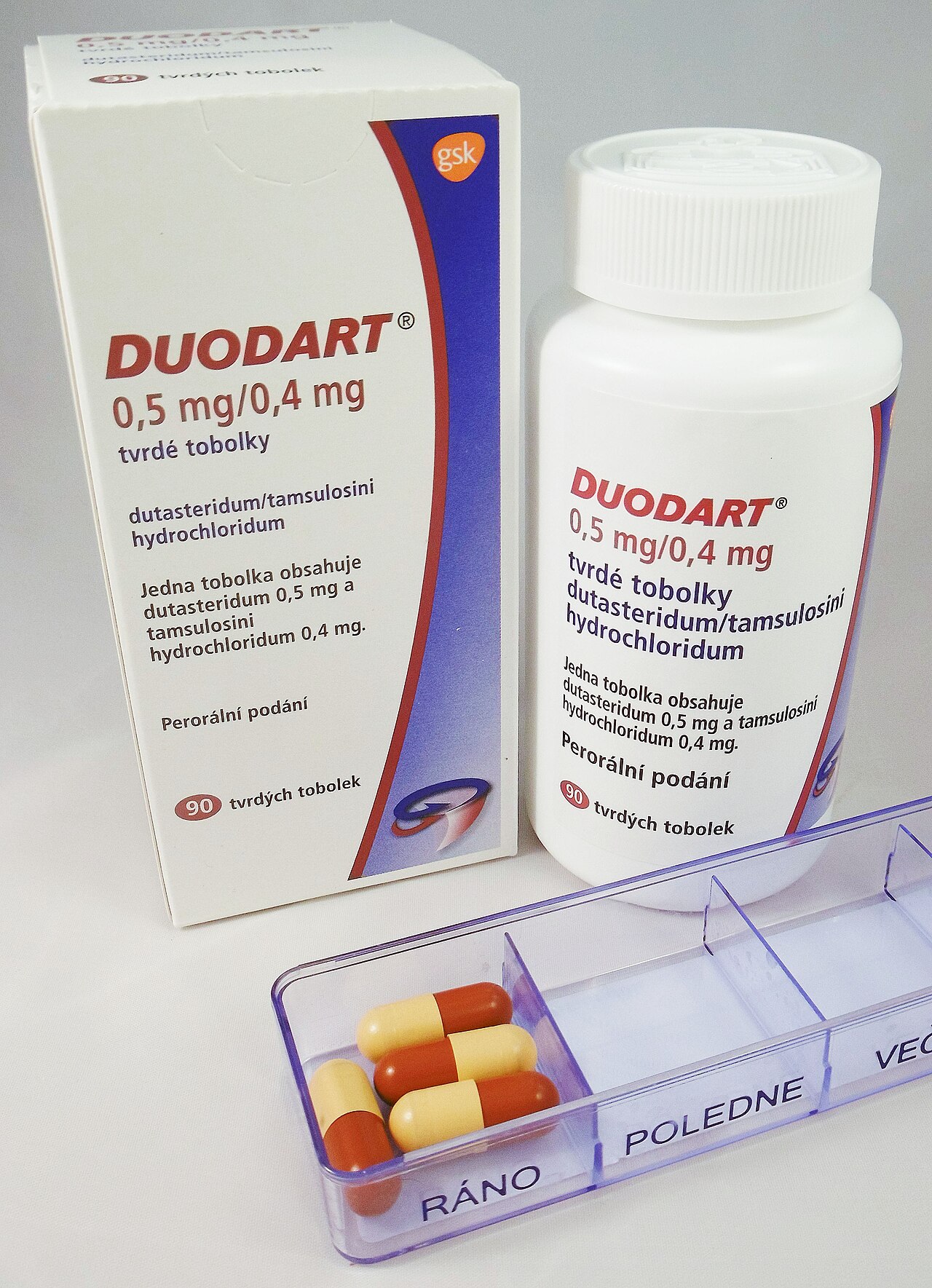
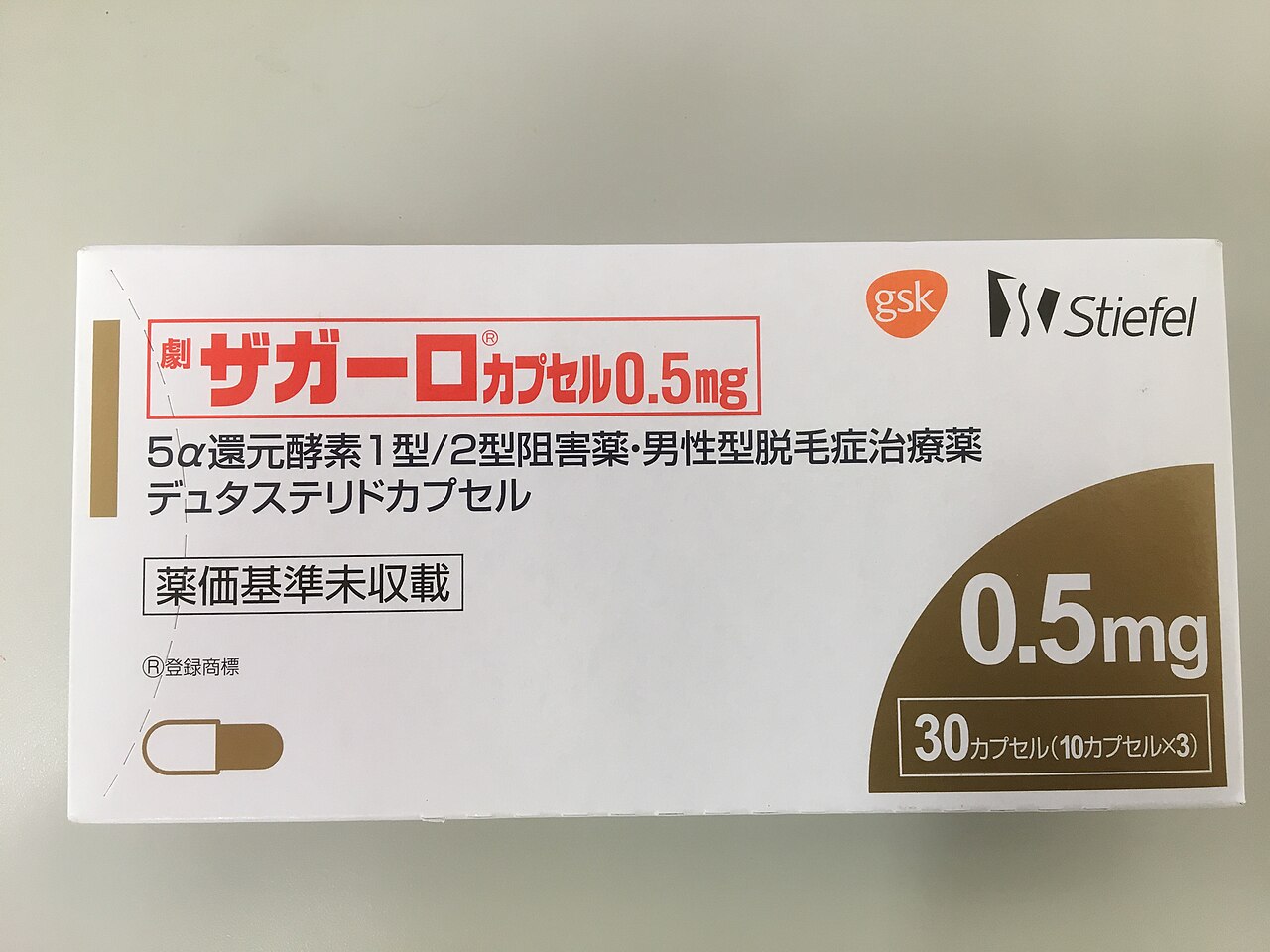
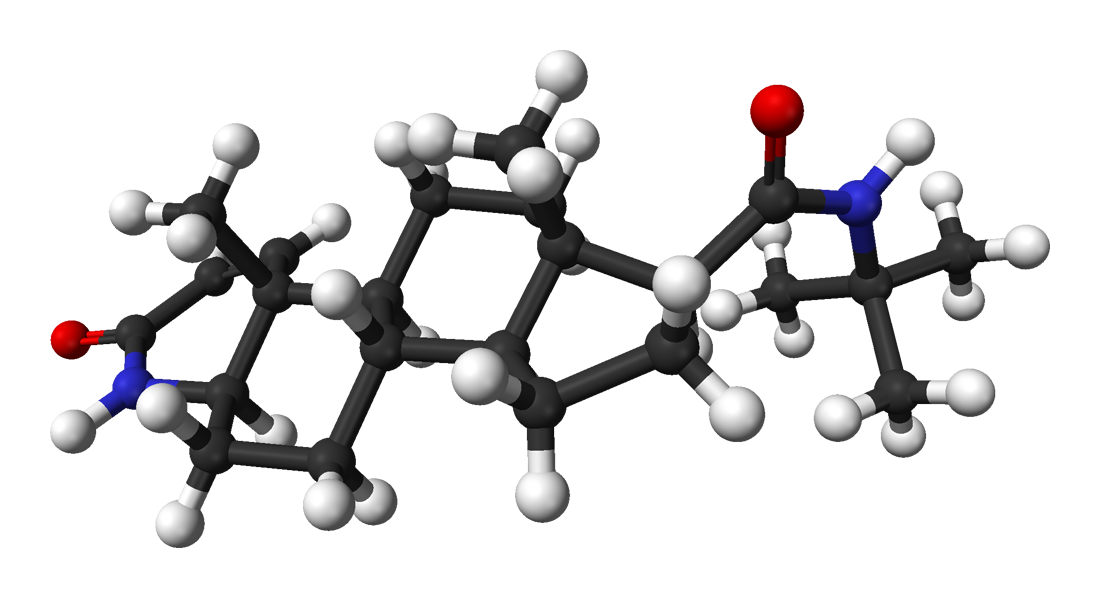
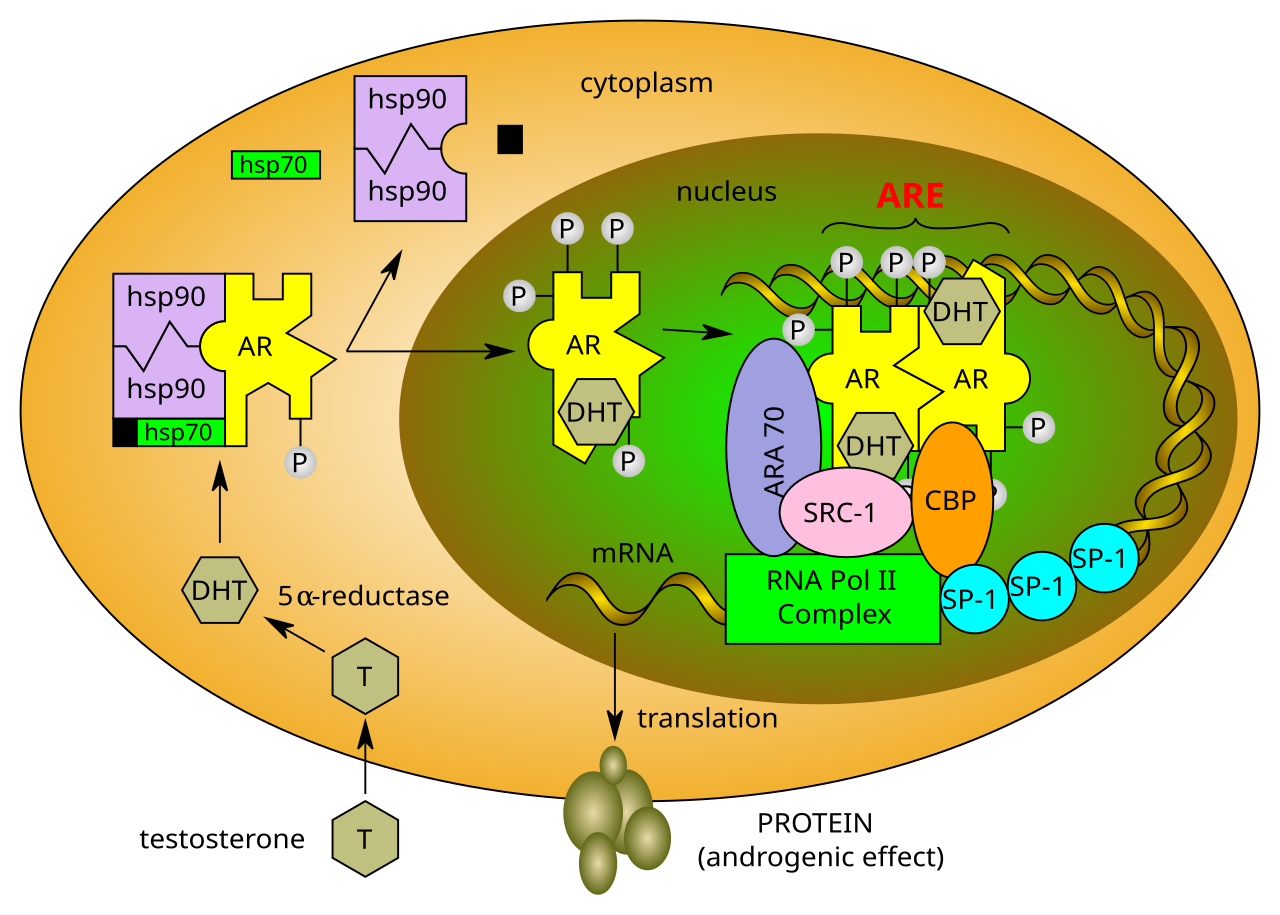
Dutasteride is a potent 5-alpha reductase inhibitor that blocks both type 1 and type 2 isoforms of the enzyme, compared to finasteride which blocks only type 2. In trials, dutasteride 0.5mg orally has consistently outperformed finasteride 1mg for hair density improvements, typically producing 20–30% more hair growth in comparative studies. But dutasteride also carries a stronger systemic androgenic suppression profile, and the concern about sexual side effects and post-finasteride-syndrome-analogous phenomena has kept many clinicians from recommending it as a first-line treatment.
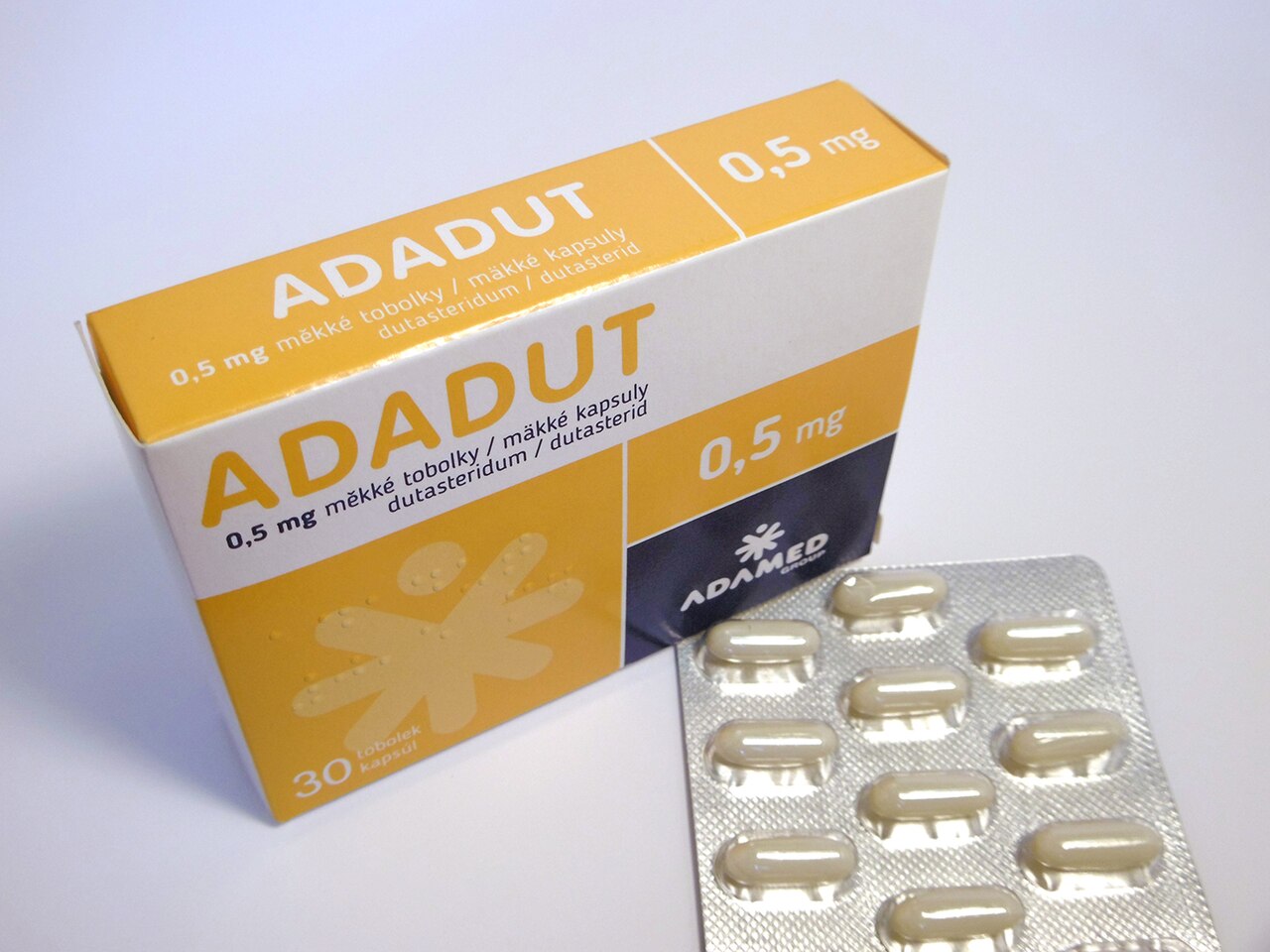
The mesotherapy approach, injecting dutasteride intradermally, directly into the scalp, emerged as a strategy to achieve local drug concentrations without the systemic exposure of oral administration. The idea is mechanistically sound: if you can saturate the scalp with dutasteride while minimising plasma concentrations, you get the follicle-level 5AR inhibition without the hormonal consequences throughout the rest of the body. Several small studies and case series reported promising results, but without a head-to-head comparison to oral dutasteride with pharmacokinetic monitoring, it was impossible to know how the approaches actually compared.
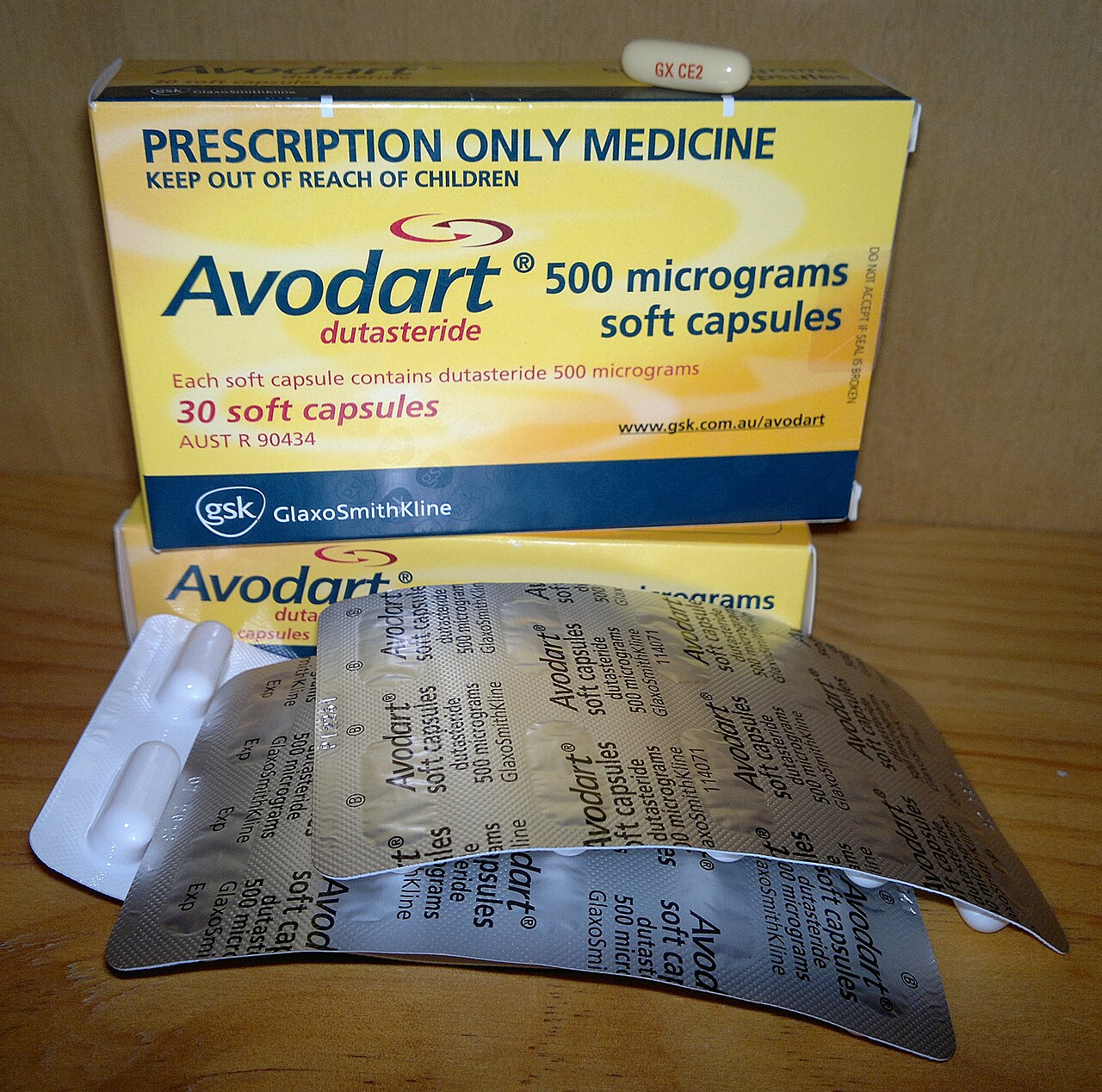
A 2025 randomised controlled trial from the Hospital Ramón y Cajal in Madrid enrolled 120 men with androgenetic alopecia (Norwood 2–5) and randomised them to three groups: dutasteride 0.5mg oral daily, dutasteride 0.5mg/2.5ml scalp mesotherapy every 4 weeks, or vehicle injection placebo. The primary endpoint was change in non-vellus hair count per cm² at 12 months.
The results were striking. At 12 months, the oral group showed a mean improvement of 21.4 hairs/cm². The mesotherapy group showed an improvement of 18.9 hairs/cm², not significantly different from oral in the primary analysis. The vehicle group improved by 3.2 hairs/cm² (regression-to-mean and natural variation). Crucially, the pharmacokinetic data showed plasma dutasteride concentrations in the mesotherapy group were 89% lower on average than in the oral group. Serum DHT suppression was 23% in the mesotherapy group versus 67% in the oral group.
The conclusion: mesotherapy achieves comparable hair density results to oral dutasteride at a fraction of the systemic drug exposure. This is an important finding. It suggests that the therapeutic effect of 5AR inhibition for hair loss doesn't require deep systemic DHT suppression, local follicle-level inhibition is sufficient. Which in turn suggests that the side effects associated with oral 5AR inhibitors may be largely attributable to the systemic component, not the scalp-level component.
This has practical implications for patients who want the efficacy of dutasteride but have concerns about systemic effects. Mesotherapy requires clinic visits every four weeks, a significant inconvenience compared to daily oral medication, and the injection procedure is mildly uncomfortable. But for patients who have discontinued oral finasteride or dutasteride due to side effects, or who are unwilling to start systemic treatment, mesotherapy now has a properly powered randomised trial supporting its efficacy. That's a meaningful addition to the evidence base.

Discussion (2)
AnonymousDad
3 months ago
If this holds up, it's a genuinely important finding. The systemic side effect issue is what stops most men from getting the most effective treatments.
Priya S.
3 months ago
The 89% reduction in plasma concentration while achieving equivalent efficacy is remarkable. That's a very different safety profile even if it's the same molecule.
Join the discussion
Free account. Read, like, save, and comment on every article.