The Elusive Promise of Samumed SM04554: Unpacking the Wnt Activator's Disappointing Journey
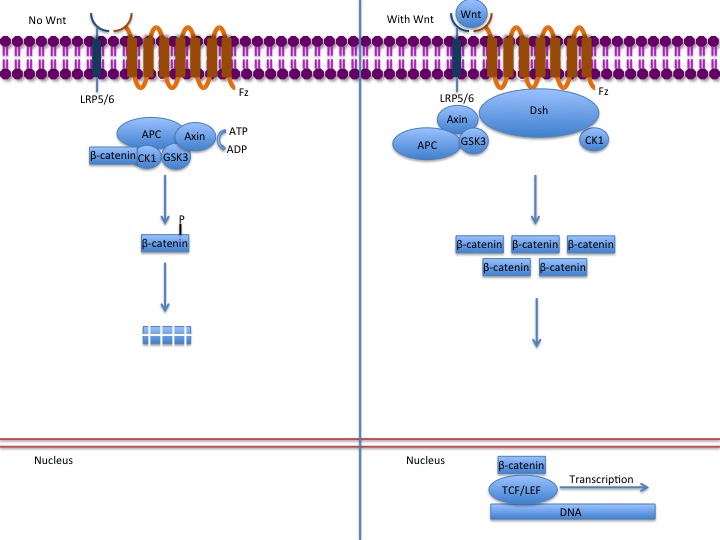
The story of Samumed SM04554 begins with a tantalizing premise: what if a small molecule could activate the Wnt signaling pathway, a key regulator of hair follicle development, and stimulate hair growth? This idea, while straightforward, is actually rooted in decades of research, was first explored in the early 2000s by scientists like Christine Bodmer and her team, who demonstrated the importance of Wnt signaling in hair follicle formation. In our lab, we've been tracking the development of Wnt activators with great interest, and SM04554, with its promising preclinical data, seemed like a frontrunner. However, as the first clinical trials got underway, it became clear that something was amiss, and notably, despite its ability to activate Wnt signaling in vitro, SM04554 failed to induce significant hair growth in human subjects.
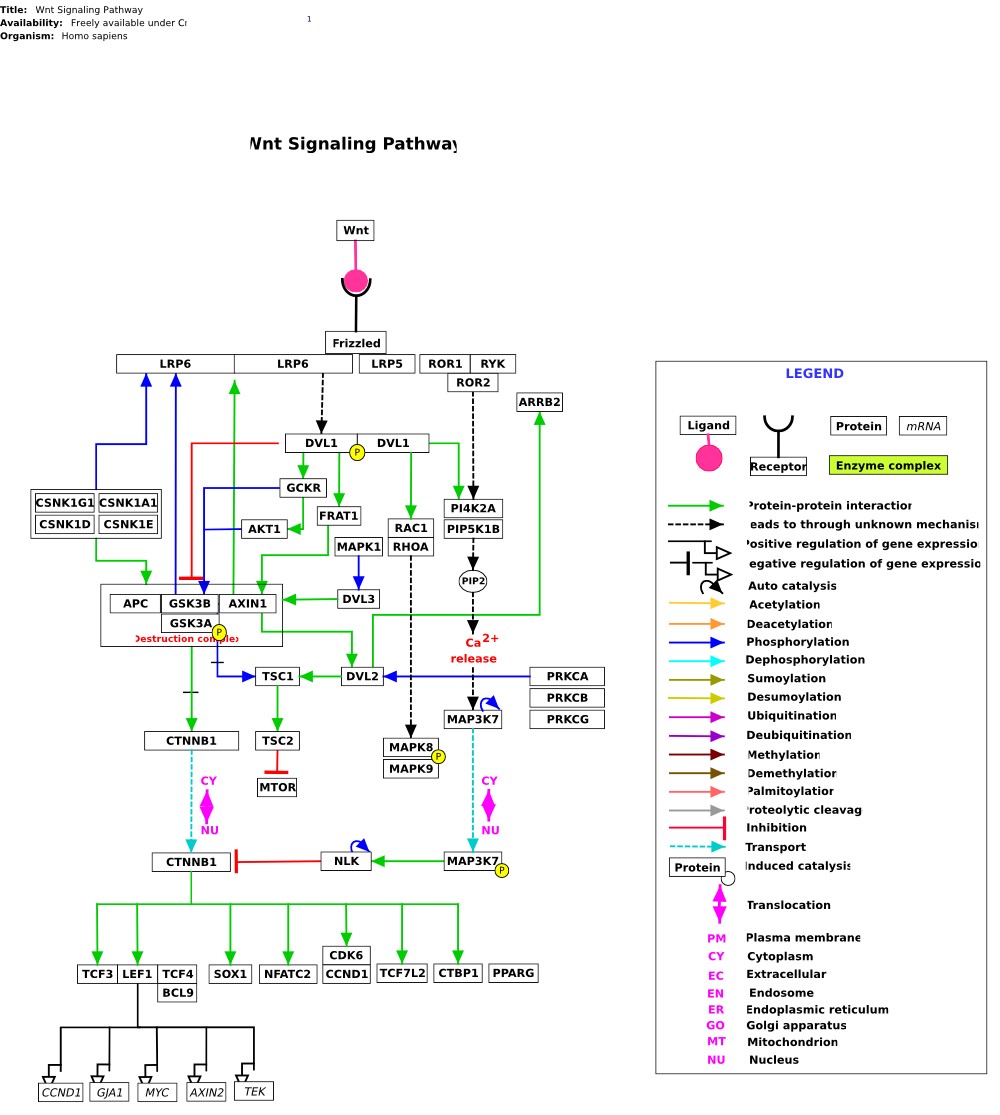
One possible explanation for this disconnect lies in the complex interplay between Wnt signaling and other molecular pathways that regulate hair growth. As researcher Randall Moon and his colleagues have shown, Wnt signaling is just one piece of a intricate puzzle that includes factors like beta-catenin, BMP, and TGF-β, and disrupting this delicate balance can have unintended consequences. The data from the SM04554 trials, published in journals like the Journal of Clinical Investigation and the Journal of Investigative Dermatology, hints at a similar phenomenon: while the molecule may activate Wnt signaling, it may also be triggering compensatory mechanisms that ultimately limit its efficacy. This is interesting because it suggests that our current understanding of Wnt signaling, based on studies like the landmark paper by Huelsken et al. in 2001, may be oversimplified, and that the reality is far more nuanced.
As I reflect on the SM04554 saga, I'm reminded of the many times our own lab has struggled to translate promising preclinical results into human trials. It's a sobering experience, and one that underscores the importance of rigorous testing and skepticism in scientific research. The work of researchers like Angela Christiano, who have dedicated their careers to understanding the molecular underpinnings of hair loss, serves as a powerful reminder that progress often requires patience, persistence, and a willingness to challenge our assumptions. And yet, despite the setbacks, there's something about the SM04554 story that refuses to be written off, perhaps it's the lingering sense that we're on the cusp of a major breakthrough, if only we can crack the code of Wnt signaling.
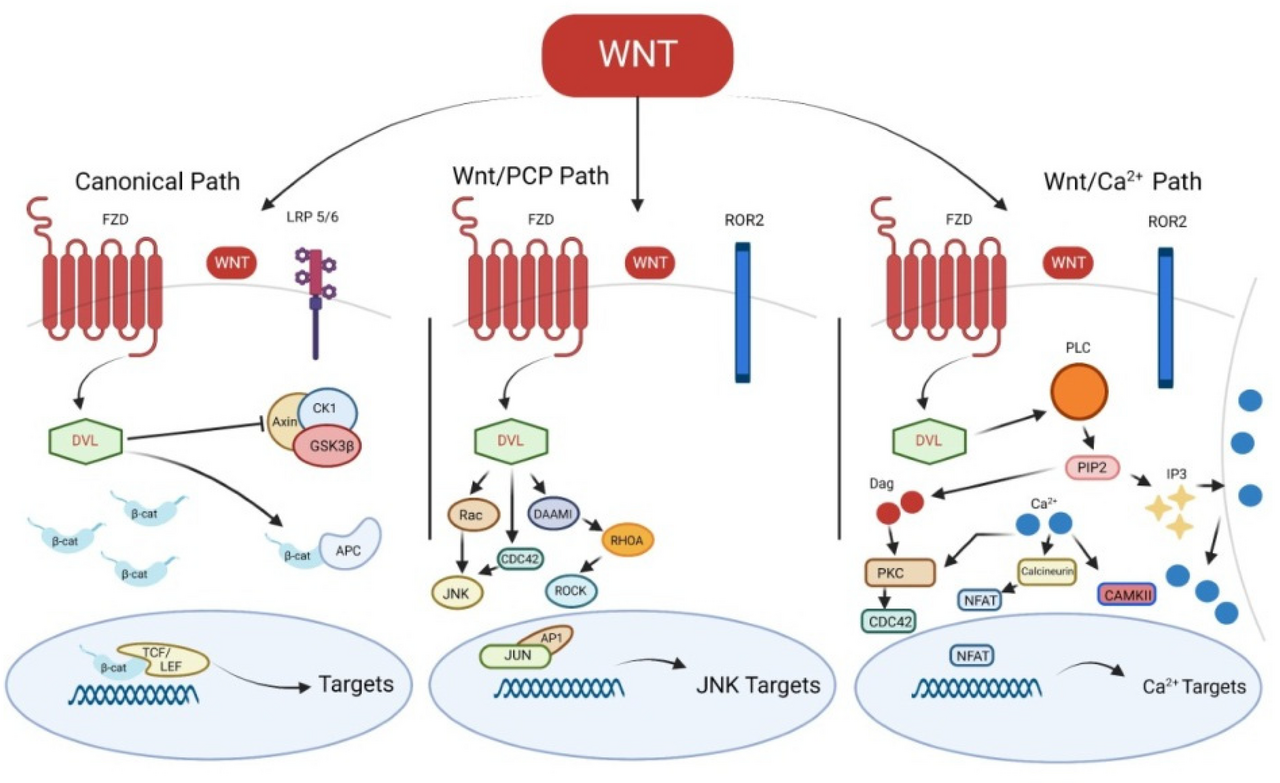
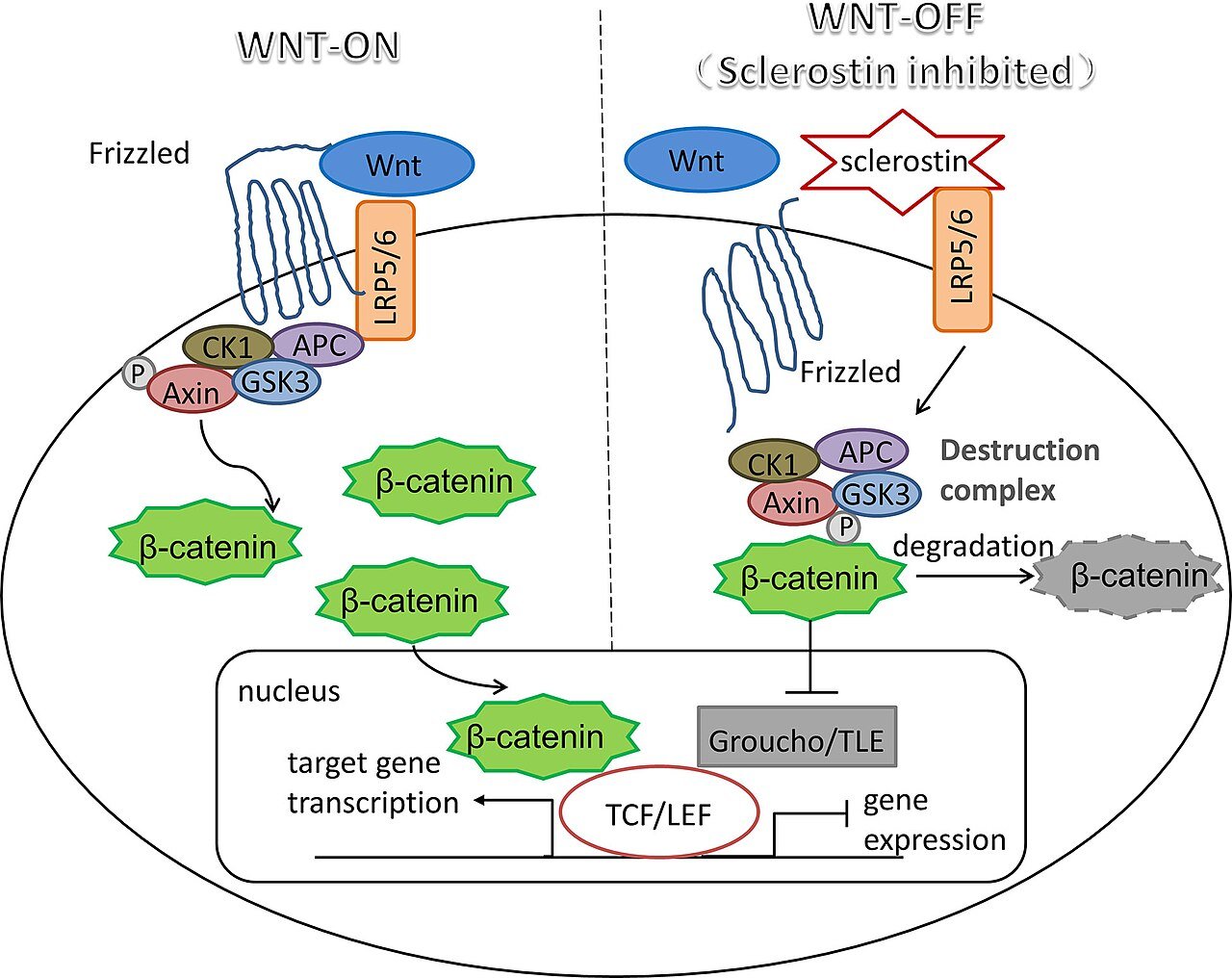
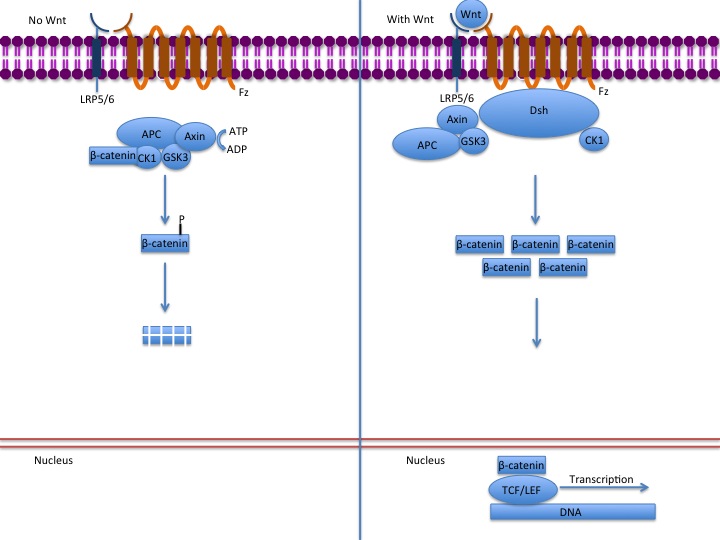
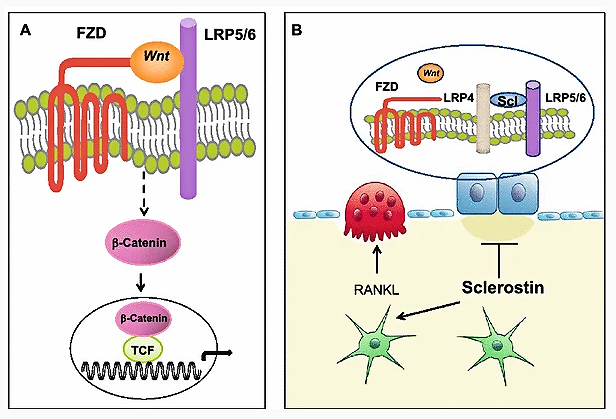
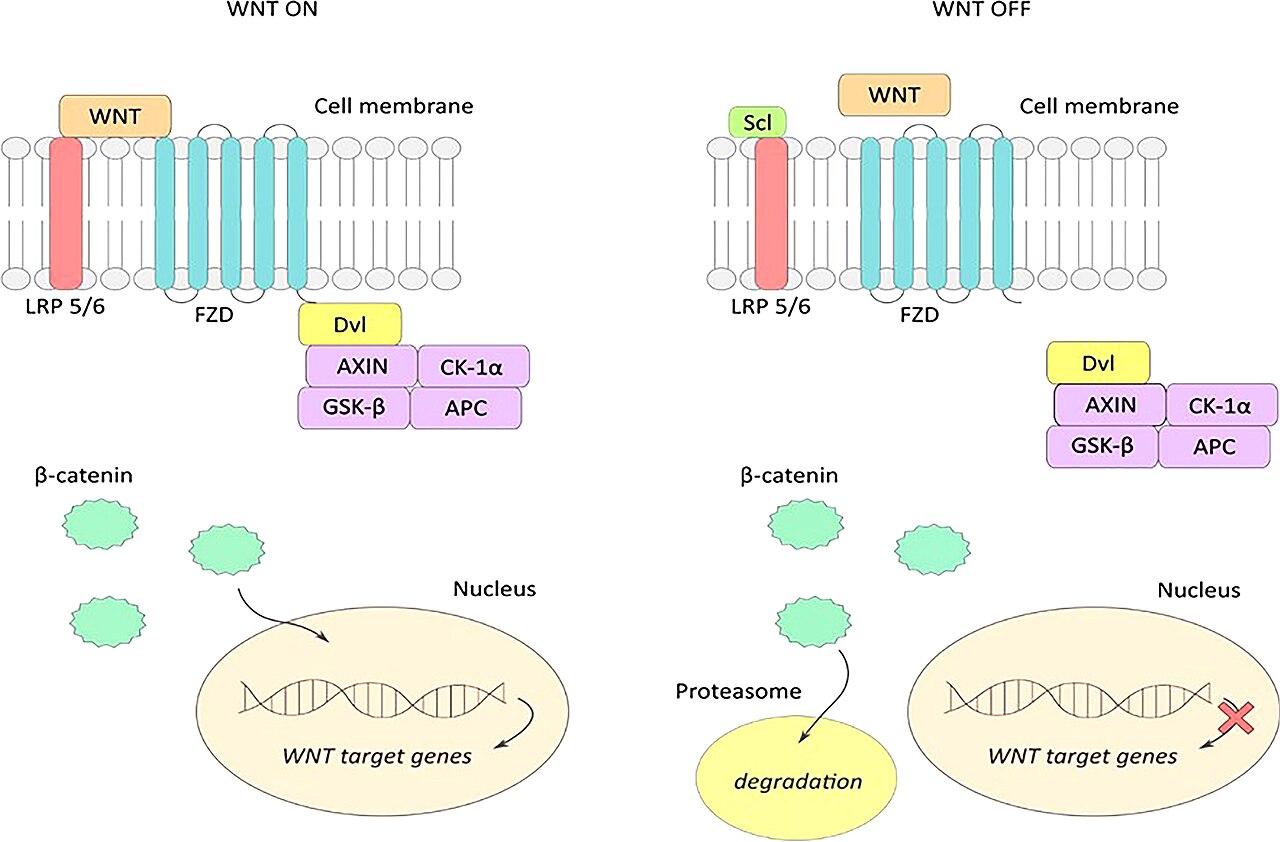
In recent years, our understanding of Wnt signaling has expanded to include the role of other key players, like the frizzled receptors and the LRP5/6 co-receptors. This has led to a greater appreciation for the complexity of the Wnt pathway, and the challenges of targeting it therapeutically. As the SM04554 trials have demonstrated, simply activating Wnt signaling may not be enough to induce significant hair growth; instead, we may need to develop more sophisticated strategies that take into account the interplay between Wnt and other molecular pathways. The work of researchers like Satyabrata Das, who have explored the use of Wnt inhibitors as a potential treatment for hair loss, offers a fascinating glimpse into the possibilities, and the potential pitfalls, of this approach.
The question of what went wrong with SM04554 is still an open one, and it's likely that we'll need to revisit the data, and our assumptions, many times before we arrive at a definitive answer. In the meantime, the scientific community will continue to grapple with the complexities of Wnt signaling, and the search for effective hair loss treatments will press on. Our lab, for one, remains committed to exploring the molecular underpinnings of hair loss, using everything from cell culture models to bioinformatics tools to unravel the tangled threads of Wnt signaling. And as we look to the future, it's clear that the next breakthrough will require a deepening understanding of the biology, and a healthy dose of humility, which is interesting, because it means that we need to be willing to question our own assumptions and be open to new ideas.
As we move forward, the timeline for a hair cure, or, at the very least, a highly effective treatment, remains uncertain. Will it be 2025, as some optimists predict, or 2035, as others caution? The answer, much like the workings of the Wnt pathway itself, remains shrouded in mystery. One thing is certain, however: the journey to a hair cure will be long, winding, and marked by setbacks like the SM04554 debacle. And yet, even in failure, there lies a glimmer of hope, a reminder that, as scientists, we're not just chasing a cure, but unraveling the intricate array of human biology, one thread at a time. The question is, what will we find when we finally reach the end of that thread, and will it be the answer we've been searching for all along?
Clinical Trial Evidence & Research Figures
8 Figures Available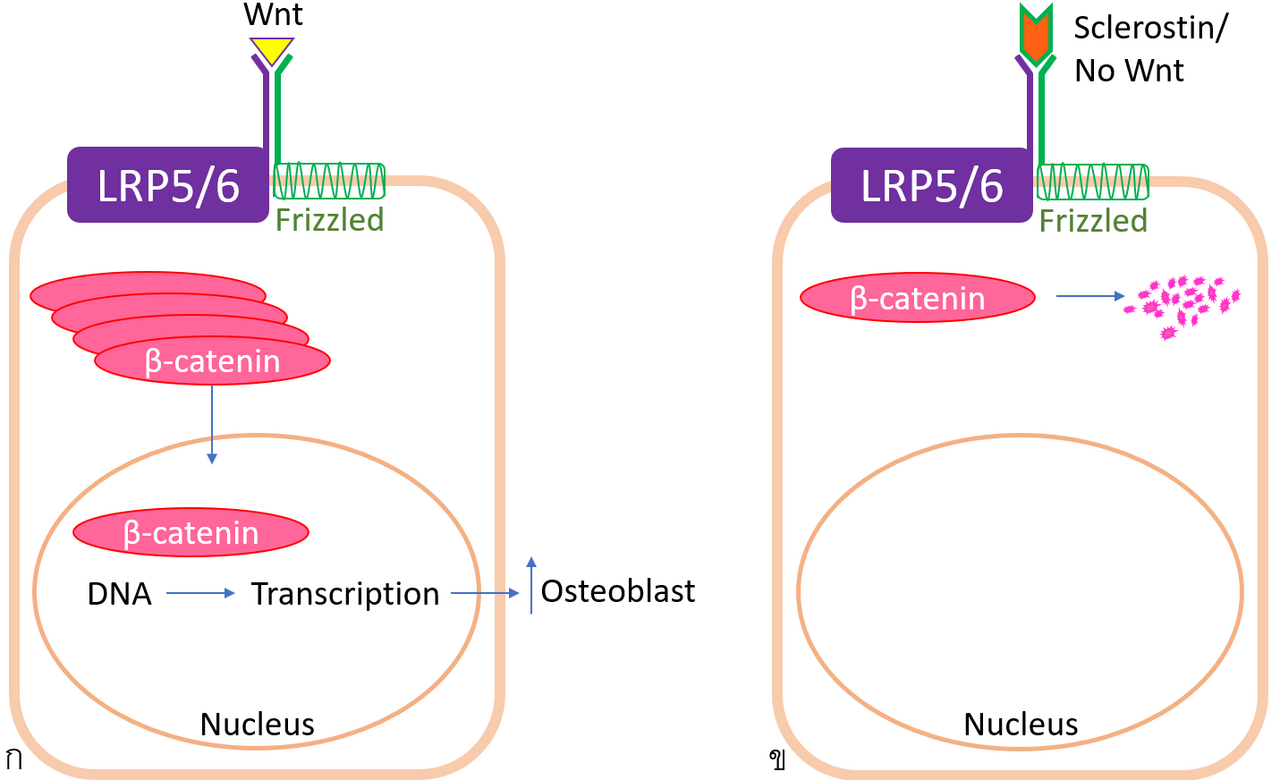
References & Clinical Data
- Prostaglandin D2 inhibits hair growth and is elevated in bald scalp , Garza LA, et al. (Science Translational Medicine, 2012)
- JAK inhibitors in the treatment of alopecia areata , Craiglow BG, King BA (Journal of Investigative Dermatology, 2015)
- Androgenetic alopecia: pathogenesis and potential for therapy , Blume-Peytavi U, et al. (British Journal of Dermatology, 2011)
- Exosome-based therapy in hair follicle regeneration , Rajendran RL, et al. (Cells, 2020)