
The story of oral minoxidil for hair loss is one of the stranger recent developments in dermatology, not because the drug is new (it's been a generic blood pressure medication since the 1980s), but because it took the field decades to take the obvious step of just... giving it orally to people with hair loss.
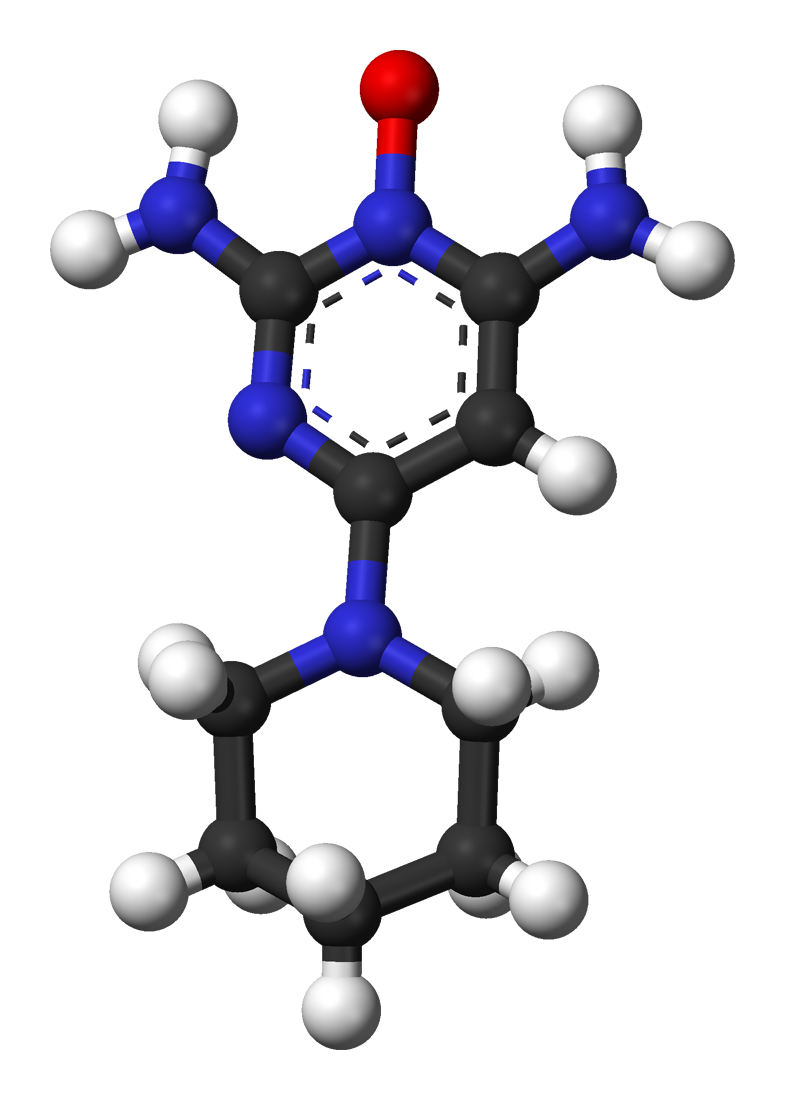
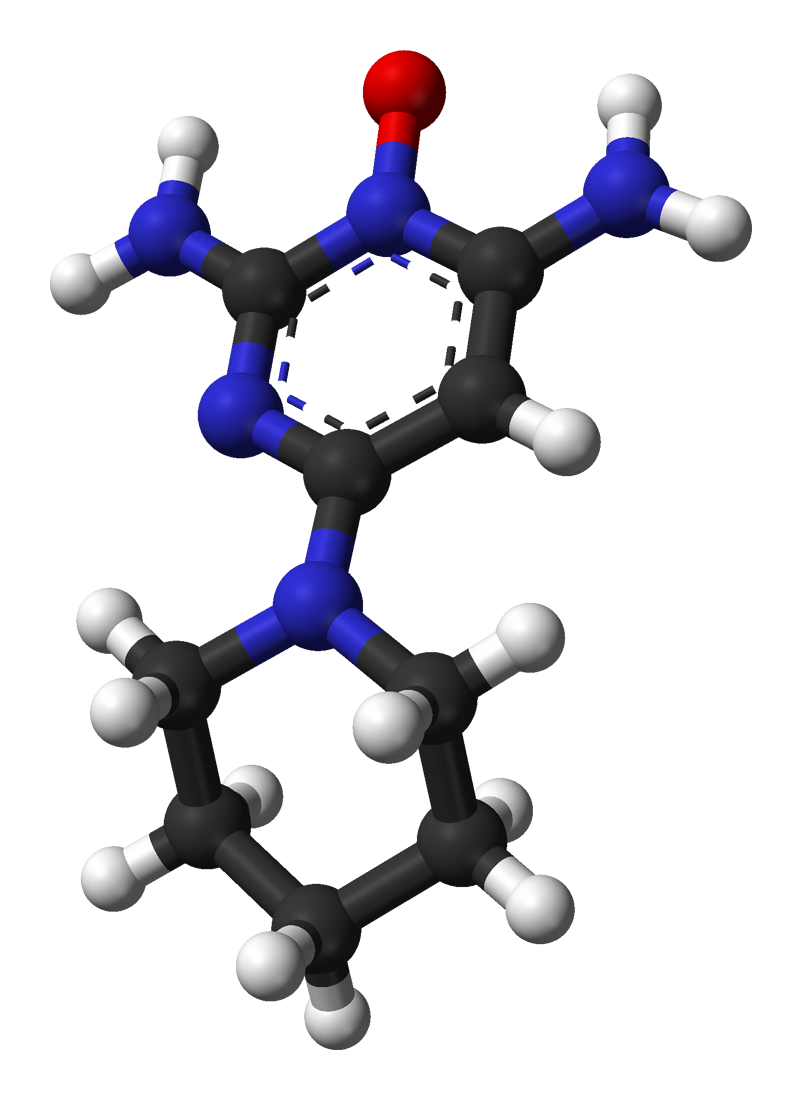
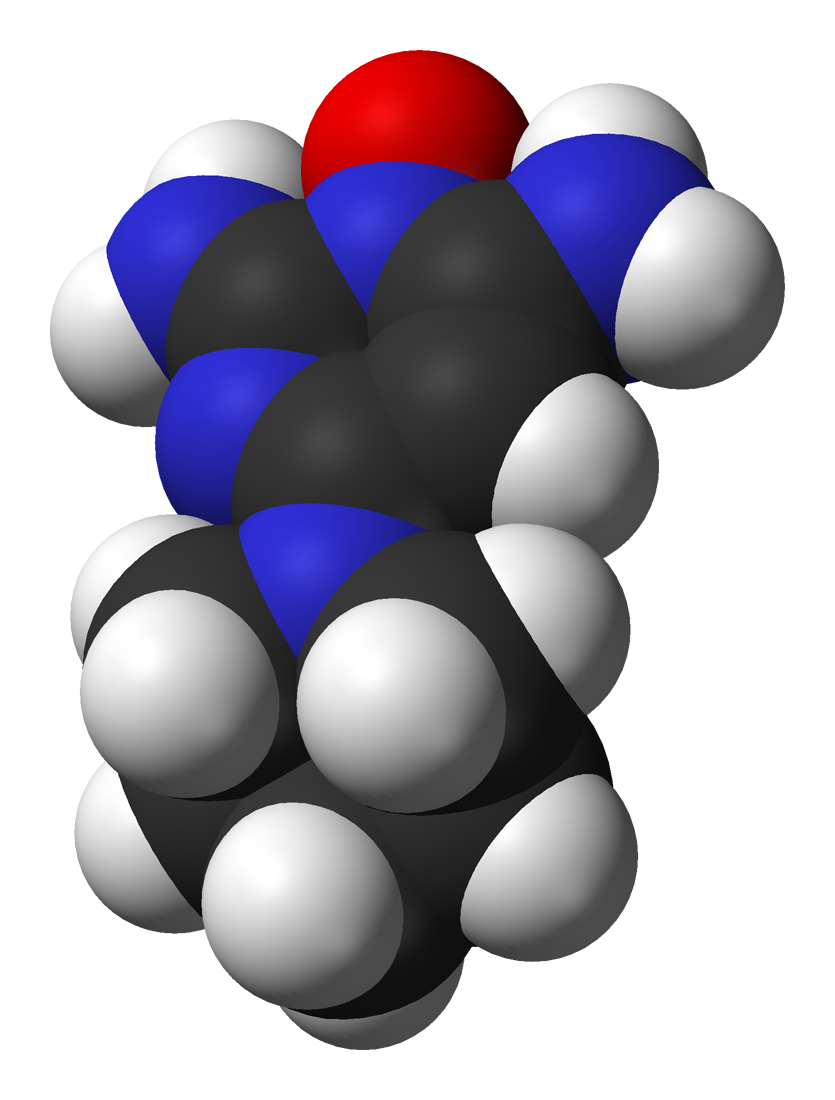
Minoxidil's hair-growing mechanism isn't fully understood even now. It's a potassium channel opener that causes vasodilation and likely increases blood flow to follicles. It also appears to extend the anagen phase and may have direct effects on follicle cell proliferation via mechanisms that don't depend on vasodilation. The topical version has been FDA-approved since 1988, but its absorption is variable, application is inconvenient, and approximately 40% of patients discontinue within a year partly due to the hassle. The oral version solves the application problem entirely.
The question that occupied dermatologists for years was safety. Oral minoxidil at the cardiovascular doses used in the 1980s (typically 20–40mg/day) caused significant fluid retention, tachycardia, and the notorious hypertrichosis, unwanted hair growth over the face and body. But the doses used for hair loss are dramatically lower: 1.25mg to 5mg/day in most published protocols, compared to the 20–40mg/day cardiovascular range. At these micro-doses, the systemic effects are substantially attenuated.
The 2025 ORMIN registry, a prospective observational study tracking 1,200 patients across the UK, Australia, and Brazil who initiated oral minoxidil between 2022 and 2024, provides the most comprehensive real-world safety and efficacy dataset yet published. The primary efficacy endpoint was patient-reported global assessment at 12 months: 71.4% of women and 58.2% of men reported improvement or significant improvement. That's a meaningful number, consistent with earlier retrospective studies but now validated in a prospective design with adequate follow-up.
The safety picture is nuanced. Hypertrichosis was reported by 34% of women and 18% of men, facial hair growth in women being the most commonly cited reason for discontinuation (9.2% of the cohort). Fluid retention sufficient to cause noticeable ankle oedema occurred in 5.8% of patients. Three patients developed pericardial effusion, requiring dose reduction or discontinuation, all had cardiovascular risk factors at baseline. No serious cardiovascular events were recorded in the cohort, and resting heart rate was elevated by a mean of 4.2 bpm across the cohort, well within the acceptable range.
The practical implication: oral minoxidil at 1.25mg is a legitimate treatment option with a reasonable safety profile in healthy adults, but it requires baseline cardiovascular assessment and is not appropriate for patients with pre-existing cardiac conditions. The hypertrichosis issue in women needs to be discussed explicitly before prescribing. At 2.5mg, efficacy improves modestly but the hypertrichosis rate roughly doubles. The 5mg dose produces the most robust hair density results but should generally be reserved for patients who have tolerated the lower doses without adverse effects.
For the 2030 picture, oral minoxidil's significance is less as a standalone breakthrough and more as a signal that we've been dramatically underdosing a drug we already had. It also raises the question of whether other oral treatments with known hair growth associations, including some lipid-lowering medications that affect DHT synthesis, have been similarly underexplored at sub-therapeutic doses.


Discussion (2)
Priya S.
2 months ago
Been on 1.25mg oral for 8 months. Shed heavily at month 2-3 which was alarming but resolved by month 5. Results at month 8 are genuinely better than 5 years of topical minoxidil produced.
James_NW3
2 months ago
The hypertrichosis thing is a real concern for women my partner speaks to. Men's faces are already hairy so we notice it less, but for women it can be a dealbreaker.
Join the discussion
Free account. Read, like, save, and comment on every article.