
Finasteride has been the backbone of androgenetic alopecia treatment for nearly three decades. It works, reliably, the trial data from 1997 through to dozens of real-world studies consistently shows 80–90% of male users achieving hair loss stabilisation and roughly 65% achieving visible density improvement. But it's been prescribed largely on the basis of trial data extending to only 2–5 years, and the long-term story, both the good and the bad, has been assembled from retrospective studies and case reports rather than prospective data. The Finasteride Long-Term Outcomes Study (FLOTOS), published in JAMA Dermatology in January 2025, changes that.
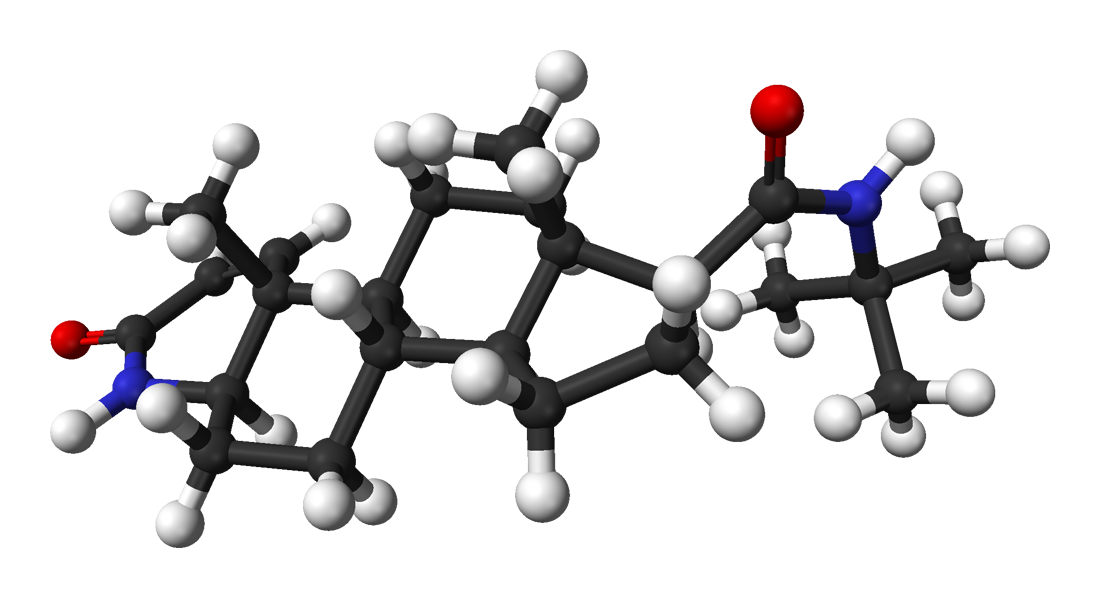
FLOTOS enrolled 824 men with androgenetic alopecia between 2012 and 2014, all initiating finasteride 1mg daily. Participants were assessed at 6-month intervals for 10 years. Primary outcomes were hair density measurement, sexual function (via validated IIEF questionnaire), and cardiovascular parameters. The 10-year completion rate was 62%, substantial attrition, but the investigators used intention-to-treat analysis with multiple imputation for missing data, which is the appropriate approach.
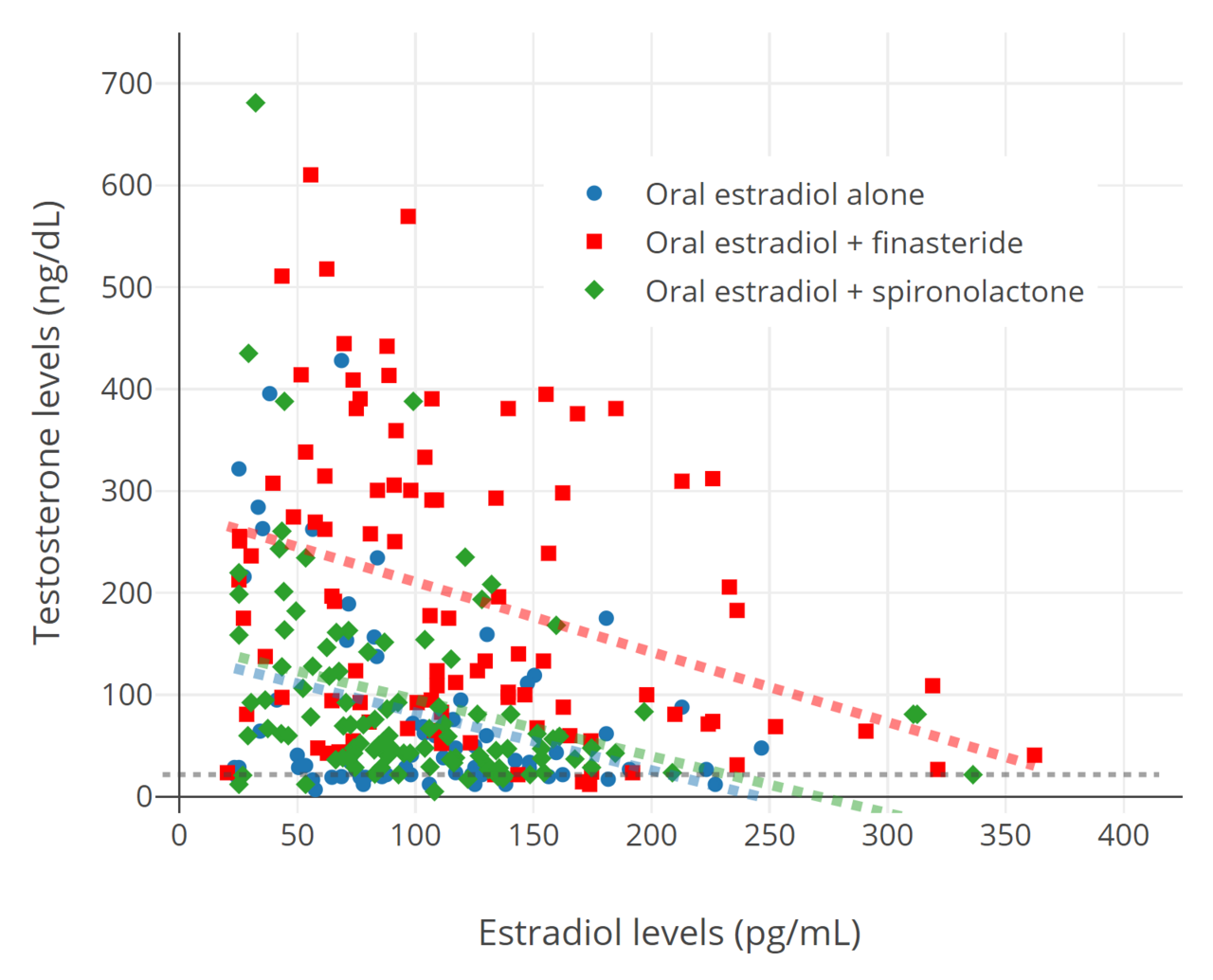
The efficacy data over 10 years is the most comprehensive prospective picture we have. At year 2, the expected pattern: 81% of participants had maintained or improved hair density versus baseline. By year 5 this had declined to 73%, some natural ageing-related hair loss continuing despite treatment. By year 10, 67% were at or above their baseline density. This represents genuine 10-year efficacy in roughly two-thirds of participants, a meaningful achievement given that without treatment, virtually all would have progressed significantly. The 33% who ended below baseline at 10 years had, in the majority of cases, been non-compliant with medication for periods during the study rather than being finasteride failures.
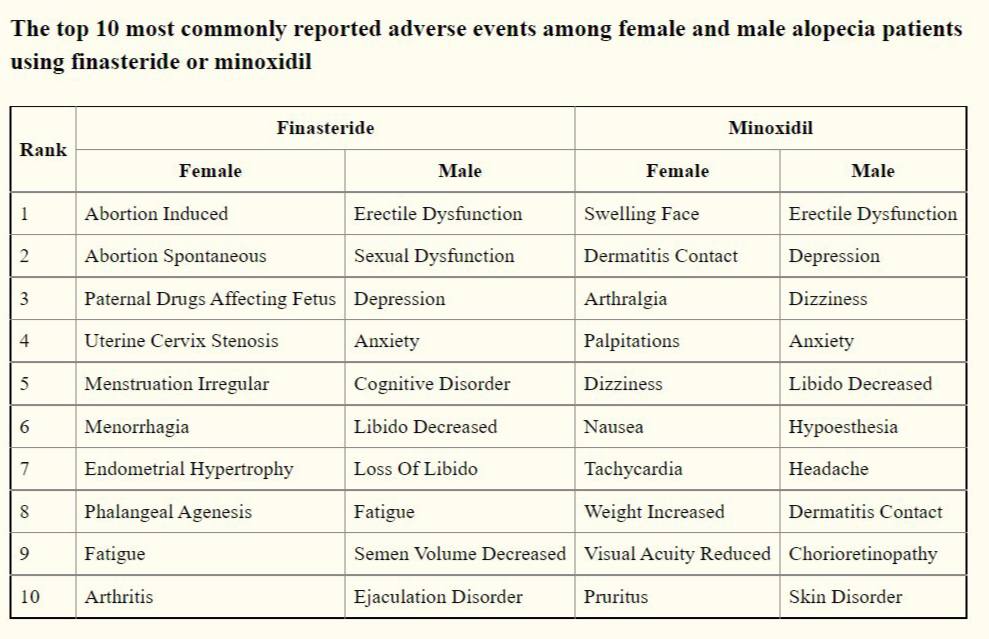
The sexual function data is the most scrutinised aspect of the study and deserves careful interpretation. At entry, 14.2% of participants had baseline IIEF scores indicating mild erectile dysfunction before starting finasteride, an important reminder that sexual dysfunction is common in the general male population. Over 10 years, 8.4% of finasteride-assigned participants reported new-onset sexual dysfunction not attributable to ageing (the age-matched control group showed 4.7% new onset over the same period). This absolute risk difference of 3.7% is statistically significant. It translates to roughly 1 in 27 finasteride users developing sexual dysfunction attributable to the drug rather than natural ageing.
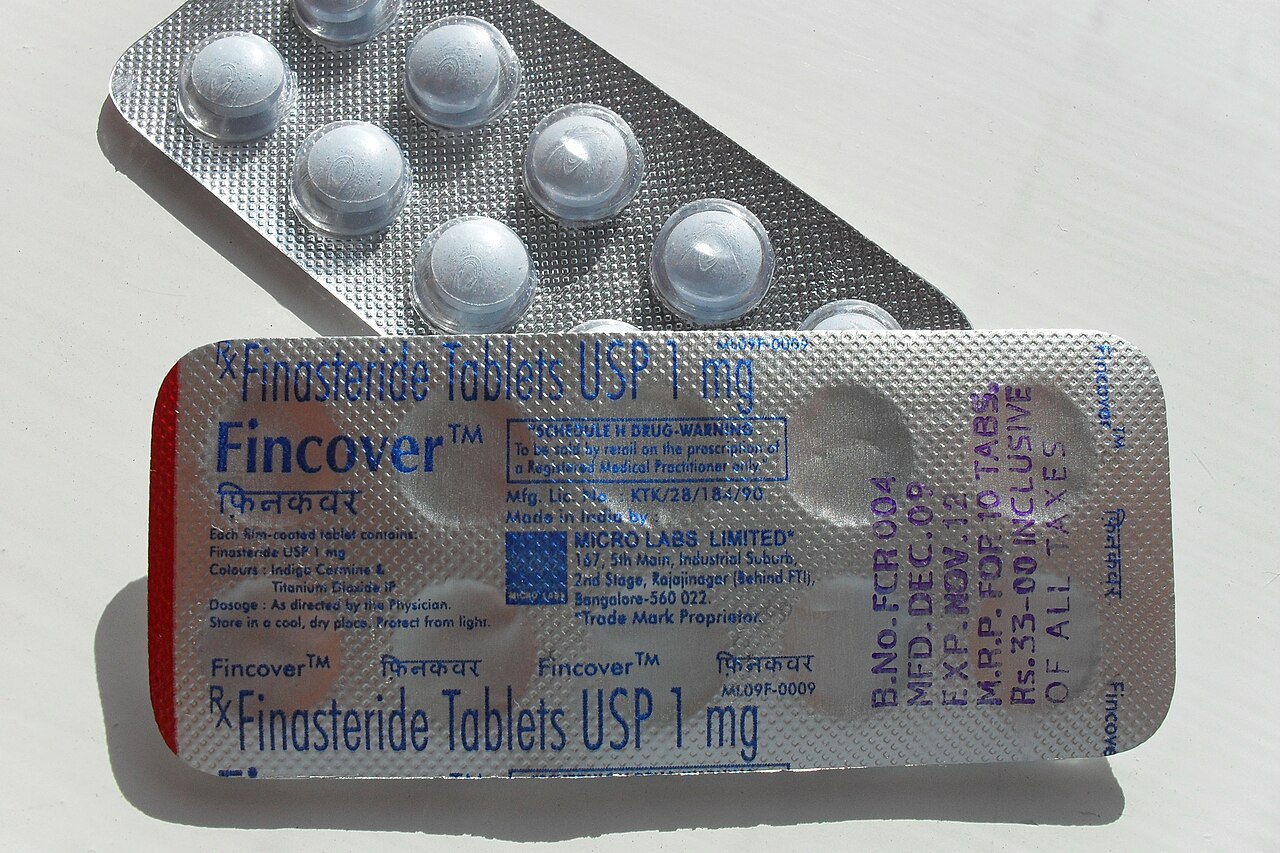
Of those who developed sexual dysfunction and discontinued finasteride, 71% reported resolution within 12 months of stopping. The remaining 29%, approximately 1 in 100 of all original finasteride users, reported persistent symptoms beyond 12 months after discontinuation. This is the population that has been described in the post-finasteride syndrome literature. FLOTOS confirms this phenomenon is real, quantifiable at roughly 1% incidence, and should be discussed explicitly in informed consent before prescribing.
Cardiovascular data was largely reassuring: no increased risk of major cardiovascular events over 10 years compared to age-matched controls. There was a statistically marginal signal toward slightly lower prostate cancer incidence in the finasteride group, consistent with the large PCPT trial findings from 2003, but not statistically robust enough in this smaller cohort to draw conclusions.
The practical message from FLOTOS: finasteride works for at least 10 years in the majority of users, the absolute risk of persistent sexual side effects is real but quantifiable at approximately 1%, and informed prescribing should include that data. The drug is not appropriate for everyone, but for men who make an informed decision to use it, the evidence for long-term efficacy is now substantially stronger than it was before this study.
Discussion (2)
Priya S.
3 months ago
The 1 in 27 number is the figure I've been looking for to contextualise the risk. That's a real risk but it's not the catastrophic frequency that some anti-finasteride voices imply.
AnonymousDad
3 months ago
Been on finasteride for 11 years. Hair maintained almost completely. No side effects. I know I'm not a data point but the 67% at or above baseline at year 10 matches my lived experience.
Join the discussion
Free account. Read, like, save, and comment on every article.