
For most of the last decade, the topical androgen receptor blocker pipeline looked like a graveyard. Cortendo's CB-03-01 (clascoterone) reached approval for acne in 2020 under the brand name Winlevi, but the Phase 2 data for androgenetic alopecia, while encouraging, wasn't enough to attract the development investment needed for the hair indication specifically. The pathway seemed stalled.
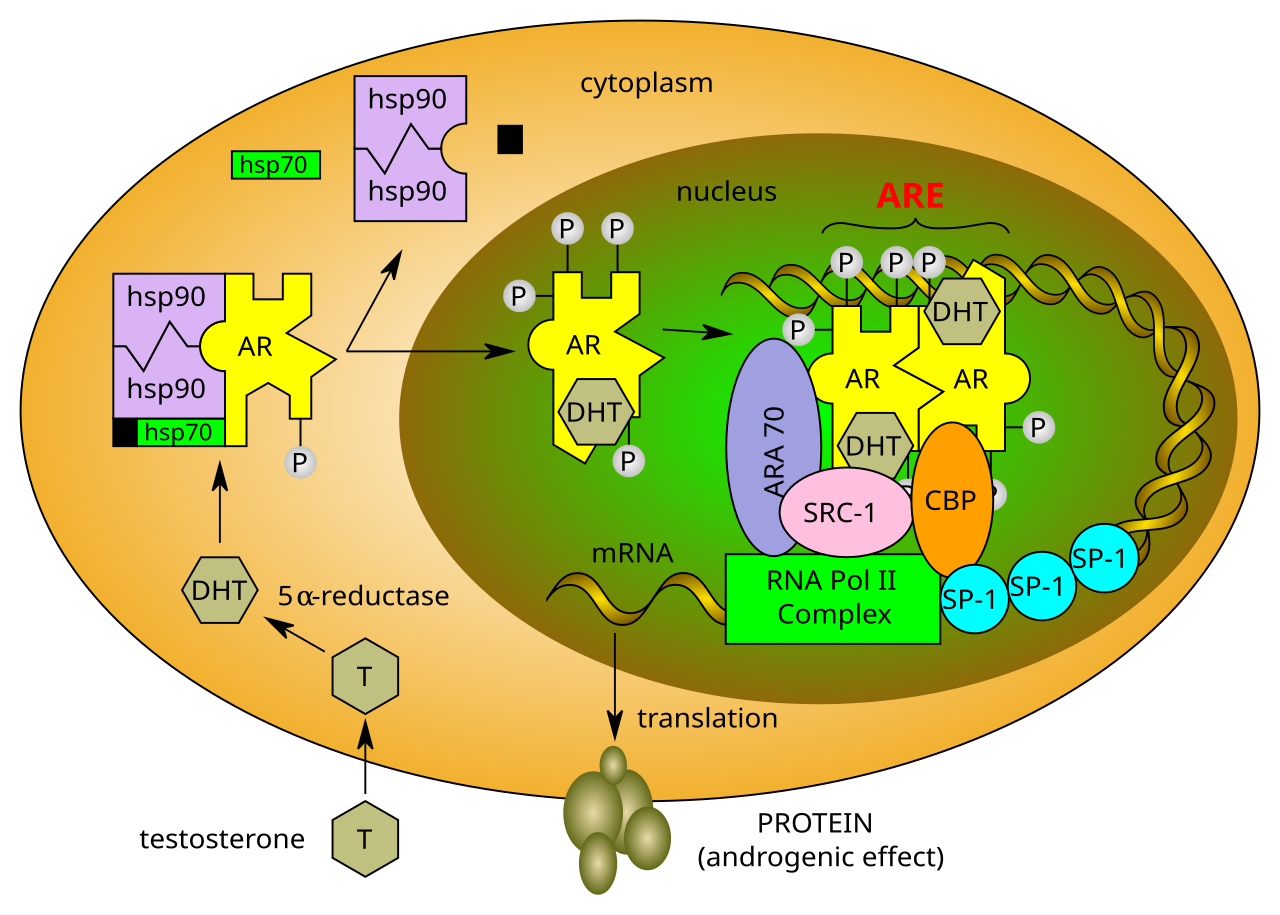
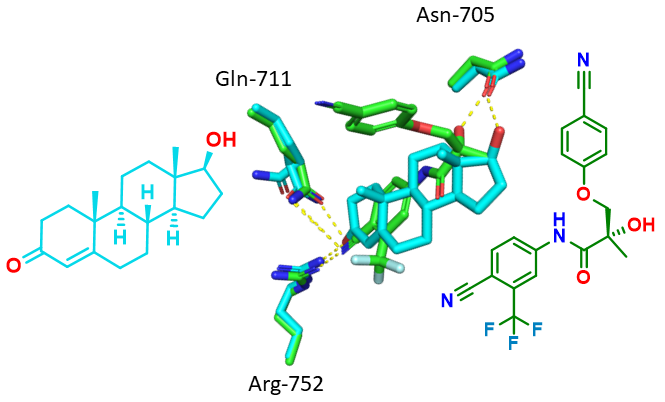
Then came pyrilutamide. Developed by Kintor Pharmaceutical, a Suzhou-based biotech with a surprisingly sophisticated pipeline, pyrilutamide (KX-826) is a non-steroidal androgen receptor antagonist designed specifically for topical scalp application. The Phase 2 data, published in 2023 in the Journal of the American Academy of Dermatology, showed a mean increase of 13.2 non-vellus hairs per cm² at 24 weeks in male patients, modest numbers, but achieved with an exceptionally clean safety profile and, crucially, without measurable systemic antiandrogen effects.

That last point is the whole game. Finasteride and dutasteride suppress DHT systemically, which works but comes with the sexual side effects that have made them controversial, and, in the case of post-finasteride syndrome, deeply contested. A topical that blocks the androgen receptor locally at the follicle, without sufficient systemic absorption to affect circulating androgens, would give patients the mechanism of action that finasteride provides while avoiding the systemic exposure. It's been the holy grail of hair loss pharmacology for twenty years.
The Phase 3 trial, KINTOR-AGA-301, is currently enrolling in the United States with sites at major academic dermatology centres including NYU Langone and Stanford. The primary endpoint is change in non-vellus hair count per cm² at 24 weeks versus placebo, with secondary endpoints including patient-reported outcomes and Investigator Global Assessment scores. Kintor has also been running a parallel Phase 3 in China, which is slightly further along, with interim data expected in late 2026.
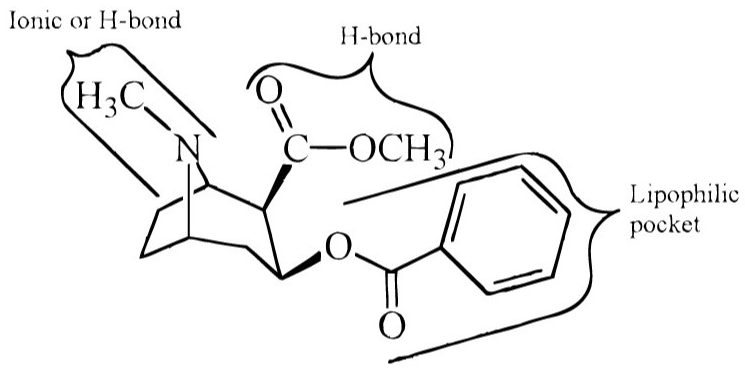
What makes pyrilutamide's mechanism interesting beyond the standard anti-androgen story is the selectivity profile. Kintor's preclinical work showed that KX-826 has roughly 10-fold higher affinity for the androgen receptor in follicular dermal papilla cells compared to androgen receptors in other tissue types, an effect attributed to the specific binding mode of the molecule rather than localised delivery alone. If that selectivity holds in humans, it could explain the clean safety data and suggest a genuinely differentiated mechanism rather than simply a delivery advantage.
The female application is also actively being explored. Kintor announced Phase 2 initiation for female androgenetic alopecia in mid-2025. This matters because the standard of care for women with pattern hair loss remains depressingly thin, topical minoxidil with significant cosmetic tolerability issues, and essentially nothing else with real evidence. An effective topical antiandrogen that works for women without menstrual cycle disruption or systemic hormonal effects would fill an enormous unmet need.
There are uncertainties worth naming. The 13.2 hairs/cm² improvement in Phase 2 translates to a visible difference in the right lighting conditions, but it's not the transformative density restoration that patients usually want. Phase 3 trials frequently show smaller effects than Phase 2 when run in more heterogeneous populations. And Kintor is a relatively small company whose ability to run a robust US regulatory programme depends on partnership or licensing deals that haven't yet been announced.
If Phase 3 data is positive, let's say an effect size of 10+ hairs/cm² with a p-value that satisfies FDA reviewers, pyrilutamide could realistically reach a New Drug Application submission by 2028. That's two years ahead of 2030. Combined with the emerging exosome and JAK inhibitor data, the picture for 2029–2030 treatment protocols looks genuinely different from where we were in 2020. Not a cure. But for many patients, possibly enough.

Discussion (3)
Marcus T.
2 months ago
The post-finasteride syndrome issue is why I stopped taking it after 3 years. A topical that genuinely doesn't affect systemic androgens would change the risk calculation completely for me.
AnonymousDad
2 months ago
My son is 17. He'd be in his early 20s by the time this potentially reaches market. For once the timeline actually feels relevant to us rather than some abstract future.
DrewFromAustin
2 months ago
Anyone tracking whether pyrilutamide could stack with low-dose oral minoxidil? Different mechanisms, seems like the obvious combo to trial.
Join the discussion
Free account. Read, like, save, and comment on every article.