
Chief Medical Officer & Clinical Dermatologist
Dr. Maya Chen, MD, PhD
Chief Medical Officer & Clinical Dermatologist specializing in hair follicle immunology and alopecia areata therapeutics. Dr. Chen completed her residency at Johns Hopkins and leads Haircure's medical review board.
Articles by Dr.

Minoxidil Sulfotransferase Activity Explains Why Some People Don't Respond
Topical minoxidil works for some users and not others, and the variability isn't random. The enzyme SULT1A1 converts minoxidil to its active form, and scalp expression varies dramatically between individuals.
Dr. Maya Chen, MD, PhD
6 months ago

Spironolactone for Female Pattern Hair Loss: The Most Underprescribed Effective Treatment
Spironolactone has been used off-label for female pattern hair loss for forty years. The 2024 systematic review finally collated the evidence base, and the picture is more positive than its niche status would suggest.
Dr. Maya Chen, MD, PhD
6 months ago
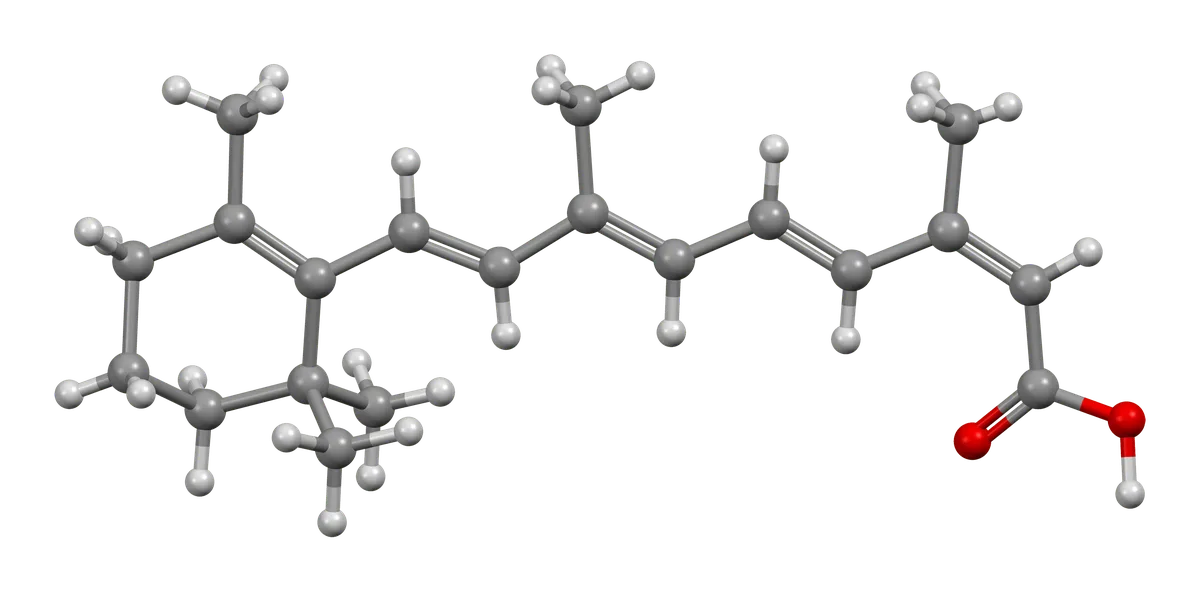
Isotretinoin Hair Loss: How Common It Actually Is and What Recovery Looks Like
Isotretinoin is one of the most effective acne drugs ever developed. It also causes telogen effluvium in a meaningful minority of users, here's the data on incidence and recovery.
Dr. Maya Chen, MD, PhD
7 months ago
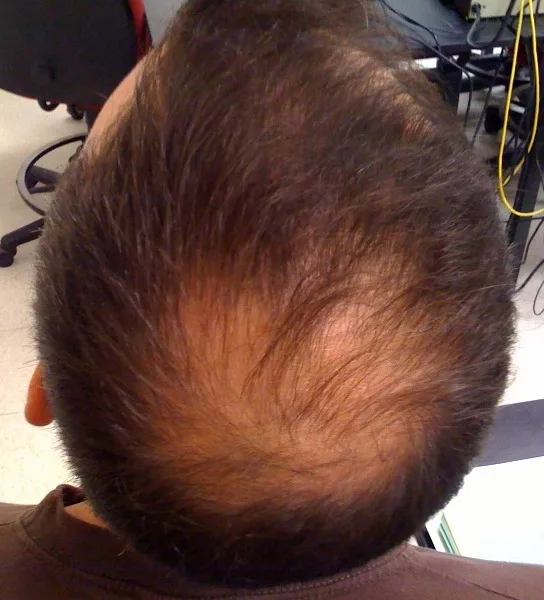
Lichen Planopilaris: The Scarring Alopecia Most Dermatologists Miss
Lichen planopilaris is a primary scarring alopecia that destroys follicles permanently. Early diagnosis is the only opportunity to preserve hair, but symptoms are often misattributed.
Dr. Maya Chen, MD, PhD
7 months ago

Rosemary Oil vs Minoxidil: The 2024 Trial That Actually Held Up
A widely cited 2015 trial suggested rosemary oil matched 2% minoxidil for androgenetic alopecia. A more rigorous 2024 replication has now tested whether that finding survives proper methodology.
Dr. Maya Chen, MD, PhD
7 months ago

Iron Supplementation for Hair Loss: Why Ferritin Below 70 Is the Real Threshold
Most physicians say ferritin within the normal range is fine. For hair loss, the relevant threshold appears to be substantially higher than the general anemia cutoff.
Dr. Maya Chen, MD, PhD
7 months ago
Scalp Massage: A 4-Minute Daily Protocol With Surprisingly Real Evidence
A 2016 Japanese study found that 4 minutes of daily scalp massage produced measurable hair thickening over 24 weeks. The follow-up survey of 327 men added a real-world dimension to the finding.
Dr. Maya Chen, MD, PhD
7 months ago
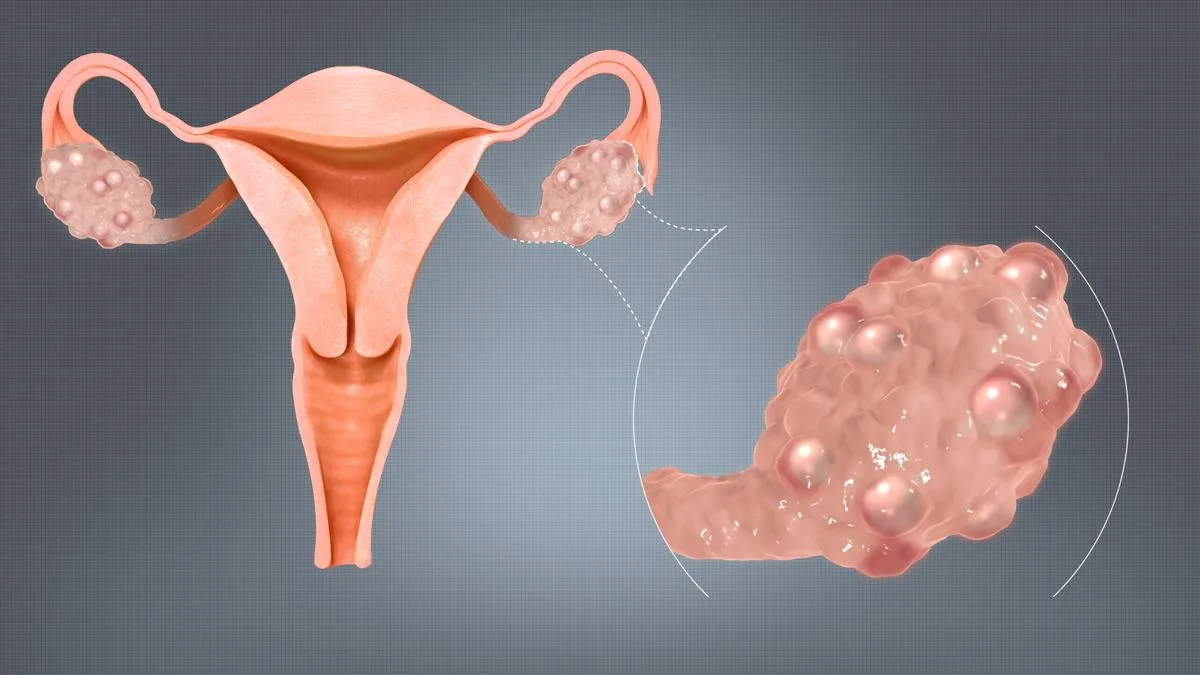
PCOS and Hair Loss: Treatment Considerations for the Underlying Endocrinology
Polycystic ovary syndrome affects 10 to 15% of women of reproductive age. Hair loss is a common feature, and treating it without addressing the underlying endocrinology often fails.
Dr. Maya Chen, MD, PhD
8 months ago
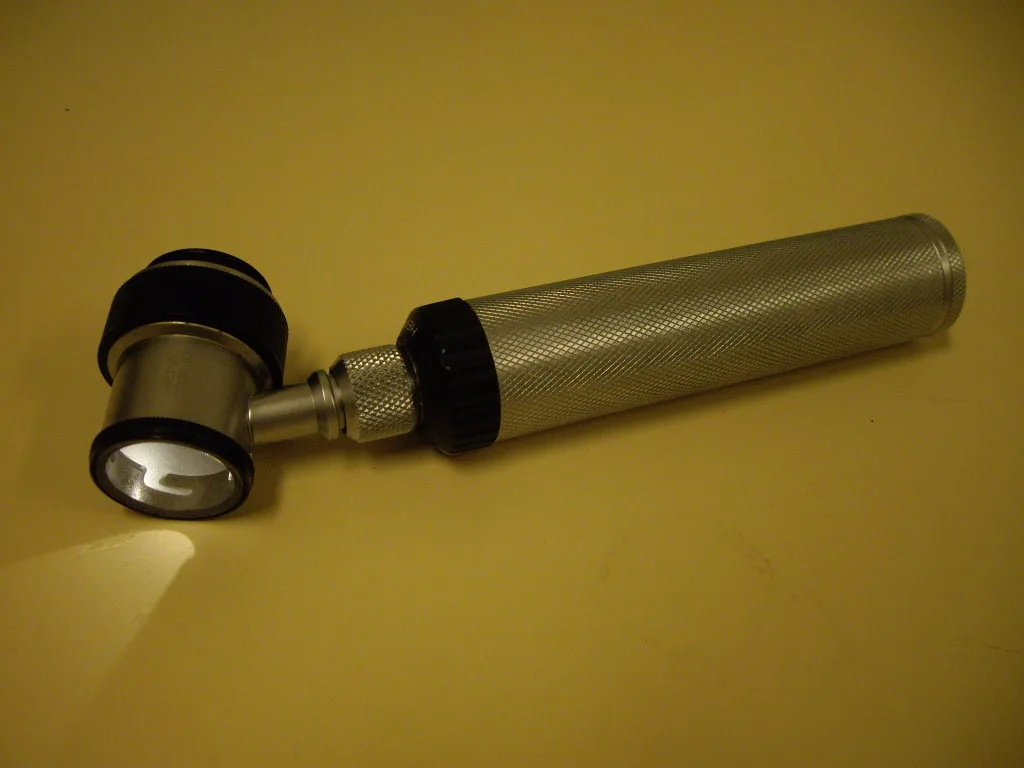
Trichoscopy: The Diagnostic Tool That Should Be Standard in Every Hair Consultation
A handheld dermatoscope and three minutes is enough to distinguish androgenetic alopecia, alopecia areata, scarring alopecias, and telogen effluvium. Many consultations still rely on visual inspection alone.
Dr. Maya Chen, MD, PhD
8 months ago
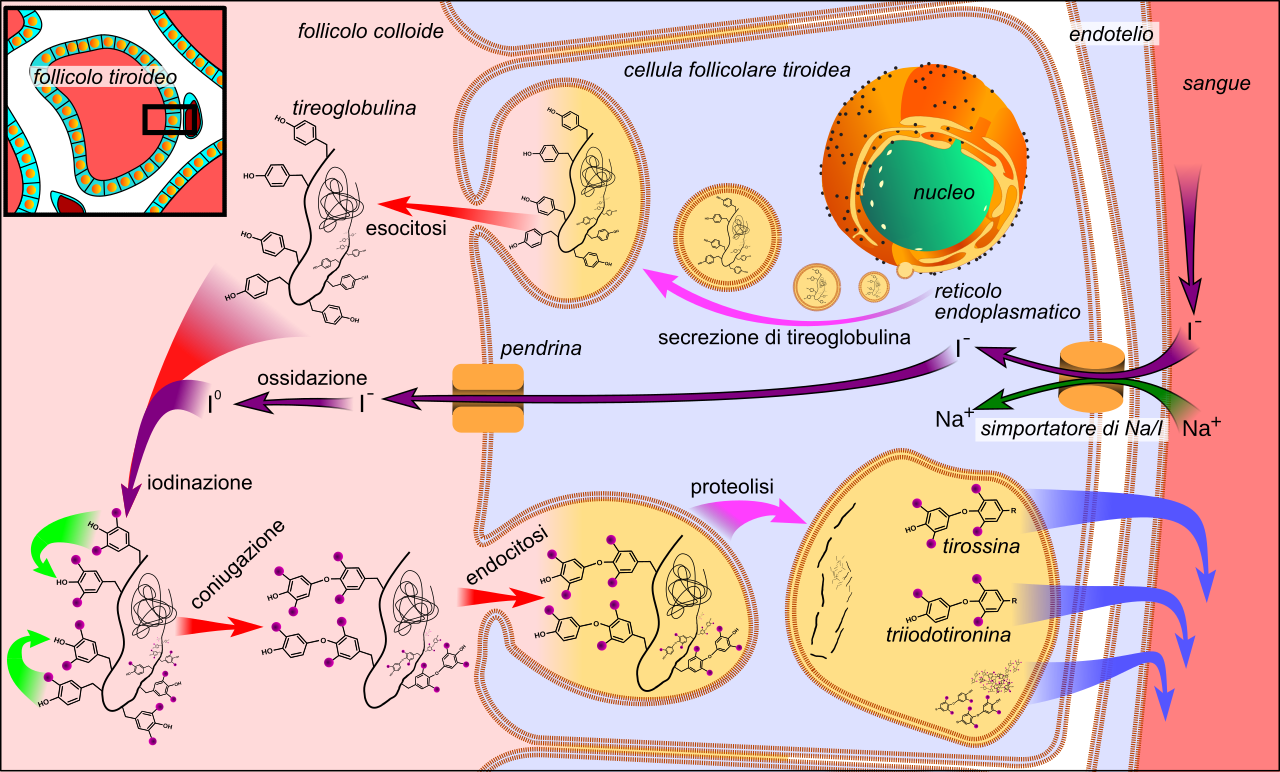
Thyroid Hormone and Hair Loss: Both Hypo and Hyperthyroidism Trigger Shedding
Hypothyroidism and hyperthyroidism both cause hair loss, but through different mechanisms. Testing TSH is the most basic workup item for unexplained shedding, and one of the most commonly overlooked.
Dr. Maya Chen, MD, PhD
8 months ago

Latanoprost and Bimatoprost for Hair Growth: A Prostaglandin Story Worth Following
Eye drops for glaucoma turned out to grow eyelashes. The mechanism, prostaglandin F2-alpha receptor agonism, has obvious implications for scalp hair, though the clinical data remains mixed.
Dr. Maya Chen, MD, PhD
8 months ago
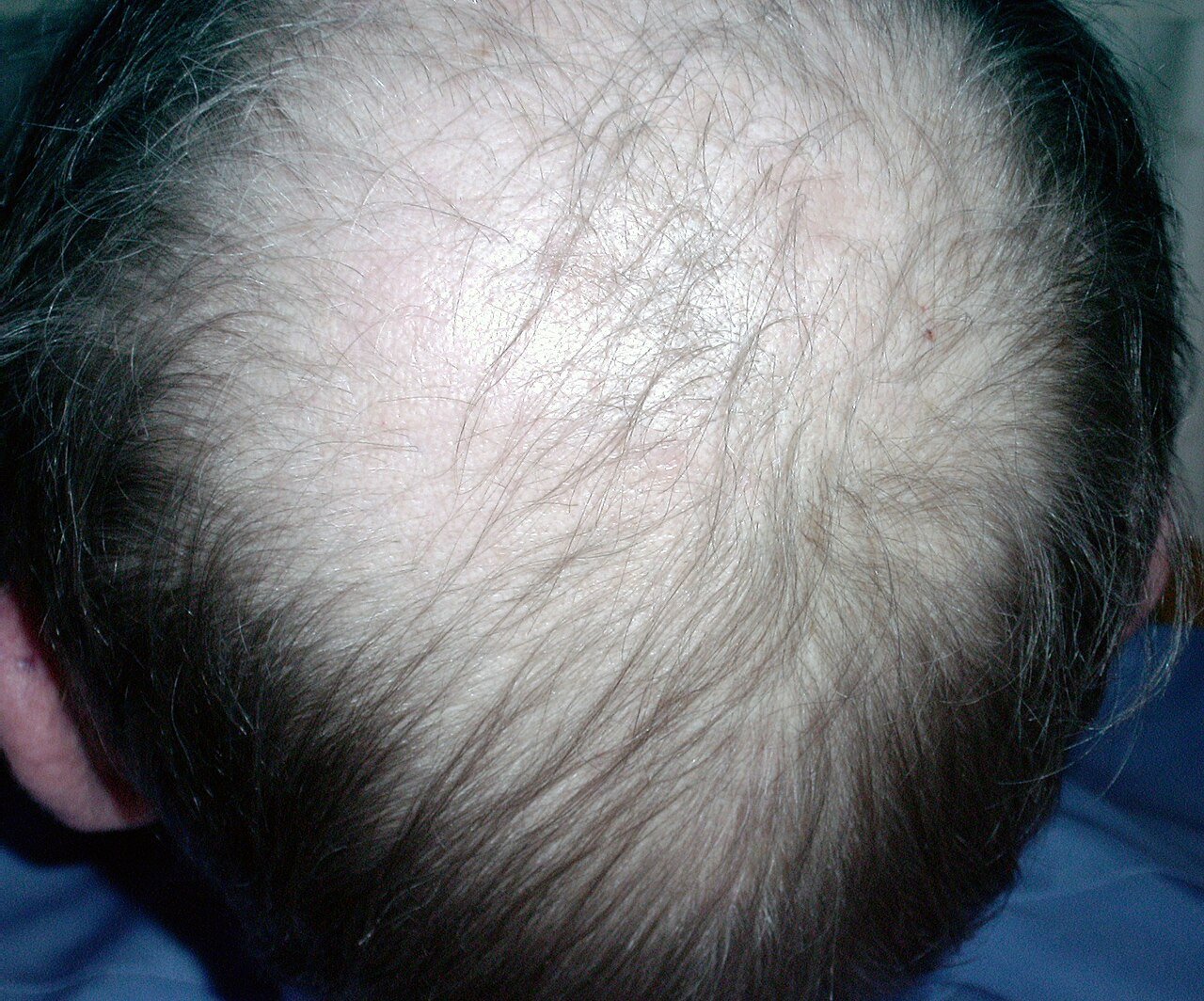
Norwood Scale: Why the Classification System Matters More Than People Realise
The Norwood scale is older than most current hair loss treatments. It remains the standard staging tool, and getting the staging right shapes every subsequent treatment decision.
Dr. Maya Chen, MD, PhD
9 months ago
Nutrafol Clinical Data: What the Trial Actually Showed
Nutrafol is the most expensively marketed hair loss supplement on the market. The trial data is real, but the trial design is unusual, and the effect size compared to alternatives is what matters.
Dr. Maya Chen, MD, PhD
9 months ago

Hair Transplant Turkey: Cost Savings vs Quality Trade-offs
Turkey now performs more hair transplants than any other country worldwide. The cost advantage is genuine, but the quality variance is substantial, and patients need to understand both.
Dr. Maya Chen, MD, PhD
9 months ago

Ludwig Scale vs Sinclair Scale: Choosing the Right Female Pattern Classification
The Ludwig scale has been the standard female pattern hair loss classification since 1977. The Sinclair scale offers more granular staging that has become preferred for clinical trials.
Dr. Maya Chen, MD, PhD
9 months ago
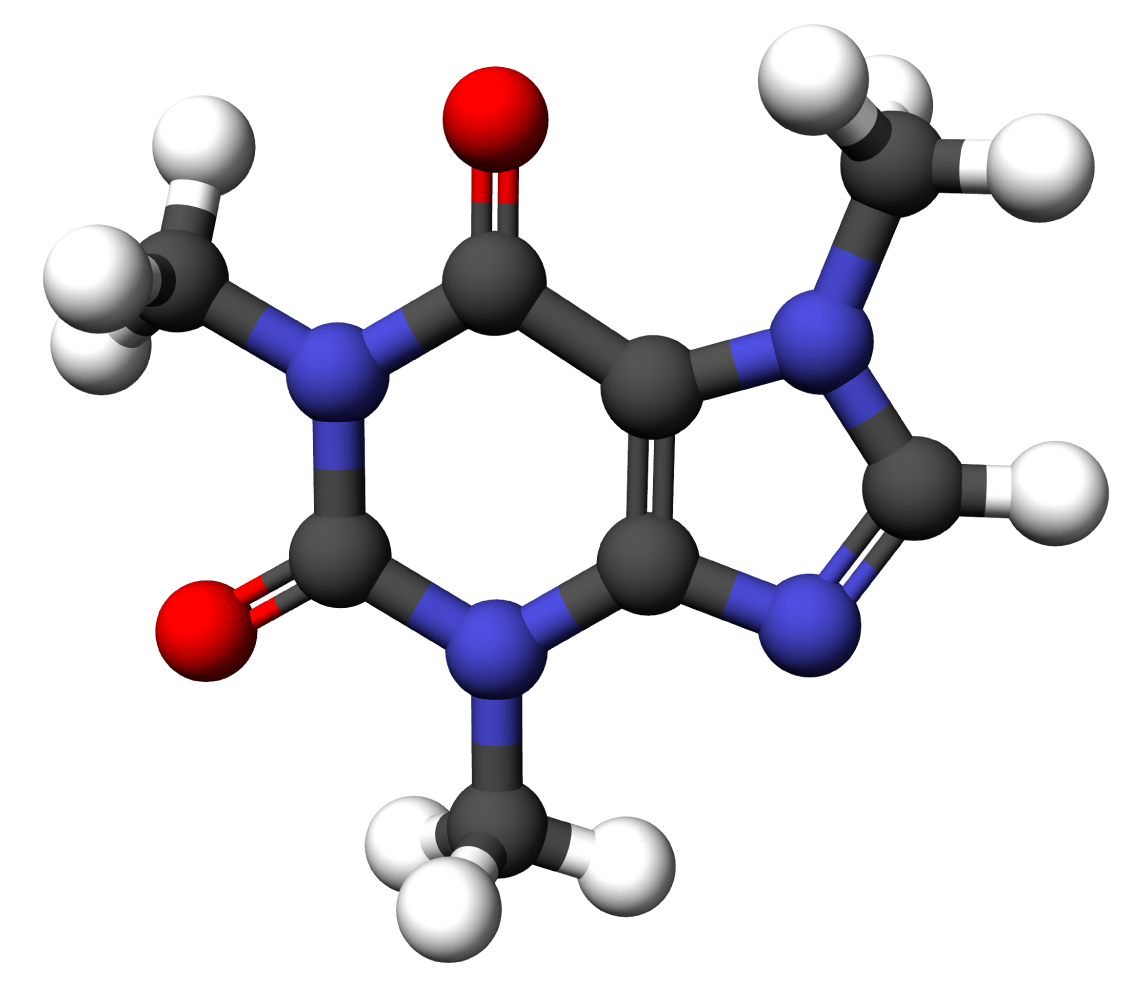
Caffeine Shampoo Alpecin Marketing: Reading Between the Claims
Alpecin's caffeine shampoo has captured significant market share through aggressive marketing. The clinical claims sit on a foundation of in vitro data, and very short-contact-time application.
Dr. Maya Chen, MD, PhD
10 months ago

Cetirizine for Hair Loss: An Antihistamine With Surprising Pilot Data
Topical cetirizine has produced unexpectedly positive hair count results in small trials. The mechanism, PGD2-pathway interference and inflammatory modulation, is plausible but the data is preliminary.
Dr. Maya Chen, MD, PhD
10 months ago
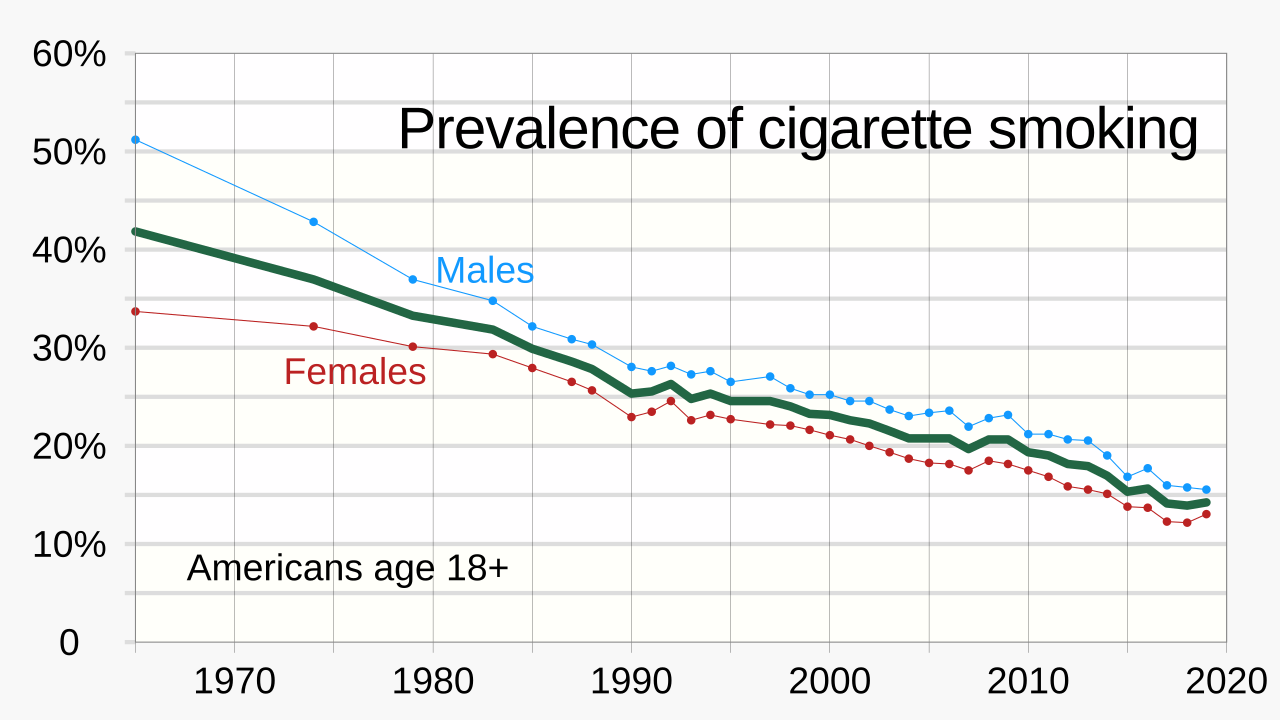
Smoking and Androgenetic Alopecia: An Independent Risk Factor With a Plausible Mechanism
Multiple epidemiological studies have linked smoking to accelerated androgenetic alopecia. The relationship survives statistical adjustment, and the proposed mechanism makes biological sense.
Dr. Maya Chen, MD, PhD
10 months ago

Alopecia Areata: Beyond JAK Inhibitors, What Else Is in the Pipeline
JAK inhibitors transformed alopecia areata treatment, but they're not the end of the story. Several other immune-modulating approaches are advancing through clinical trials.
Dr. Maya Chen, MD, PhD
10 months ago
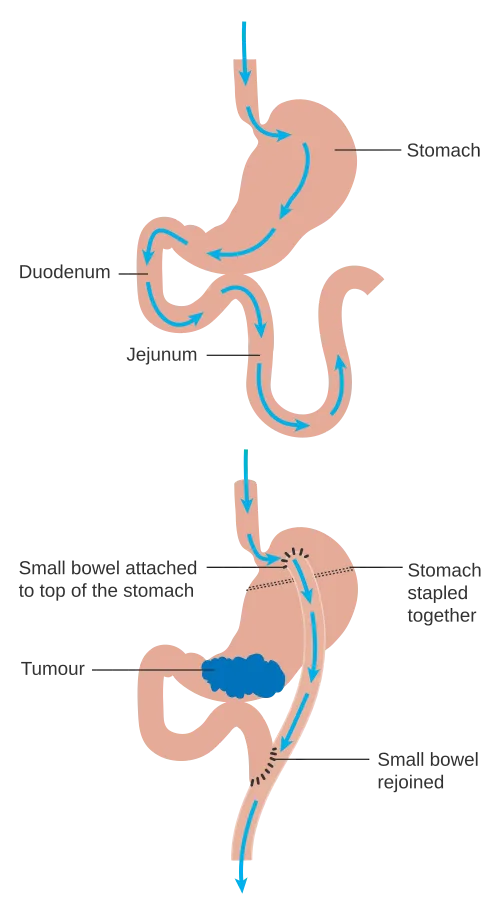
Telogen Effluvium After Bariatric Surgery: What 5-Year Data Reveals
Significant weight loss after bariatric surgery triggers telogen effluvium in roughly half of patients. The long-term recovery data is more complicated than acute studies suggested.
Dr. Maya Chen, MD, PhD
11 months ago
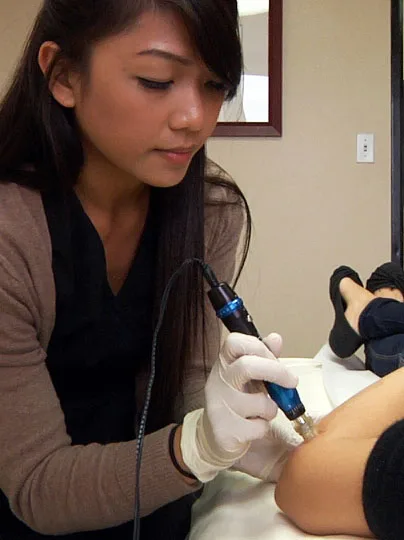
Microneedling for Hair Loss: 0.5mm vs 1.5mm, Depth Matters
Microneedling protocols vary widely in needle depth and frequency. The 2024 comparison study finally provides standardised guidance for at-home and clinical protocols.
Dr. Maya Chen, MD, PhD
11 months ago

Hairline Design in Hair Transplantation: The Art That Determines Natural Results
The single most important determinant of natural-looking hair transplant results is the hairline design. Get it wrong and no surgical technique can rescue it.
Dr. Maya Chen, MD, PhD
11 months ago
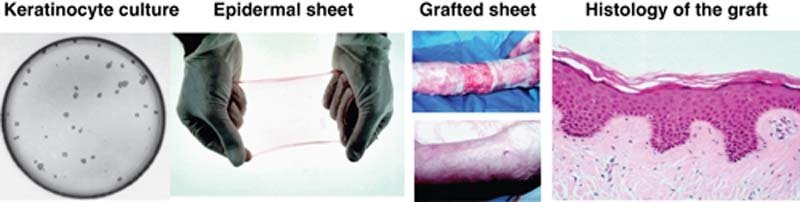
Long Hair FUE: The Technique That Eliminates the Post-Op Buzz Cut
Standard FUE requires shaving the donor area. Long Hair FUE preserves donor hair length, eliminating one of the major lifestyle obstacles to hair transplantation.
Dr. Maya Chen, MD, PhD
11 months ago

Traction Alopecia: Prevention Matters Because Treatment Doesn't Work Well
Traction alopecia from tight hairstyles is one of the few common forms of hair loss that's almost entirely preventable. Once established, treatment options are limited.
Dr. Maya Chen, MD, PhD
12 months ago

Hair Loss in Asian Patients: Why Standard Norwood Assumptions Don't Always Apply
Androgenetic alopecia in Asian patients shows distinct patterns that don't always fit the Norwood scale designed for European populations. Treatment timing and approach differ.
Dr. Maya Chen, MD, PhD
12 months ago
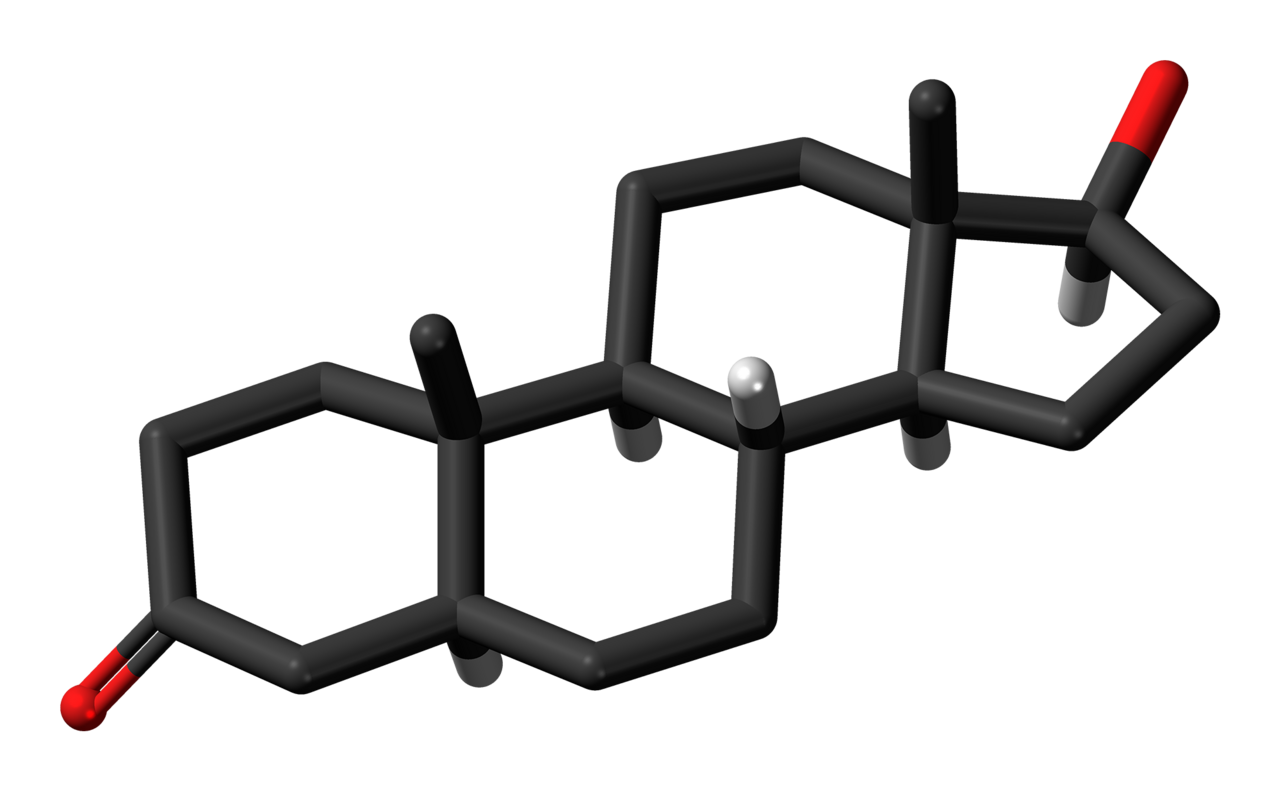
Dutasteride vs Finasteride for Androgenetic Alopecia: When to Choose Each
Dutasteride blocks both 5-alpha reductase isoforms; finasteride blocks only type 2. The clinical comparison shows dutasteride wins on efficacy and loses on side effect profile.
Dr. Maya Chen, MD, PhD
12 months ago
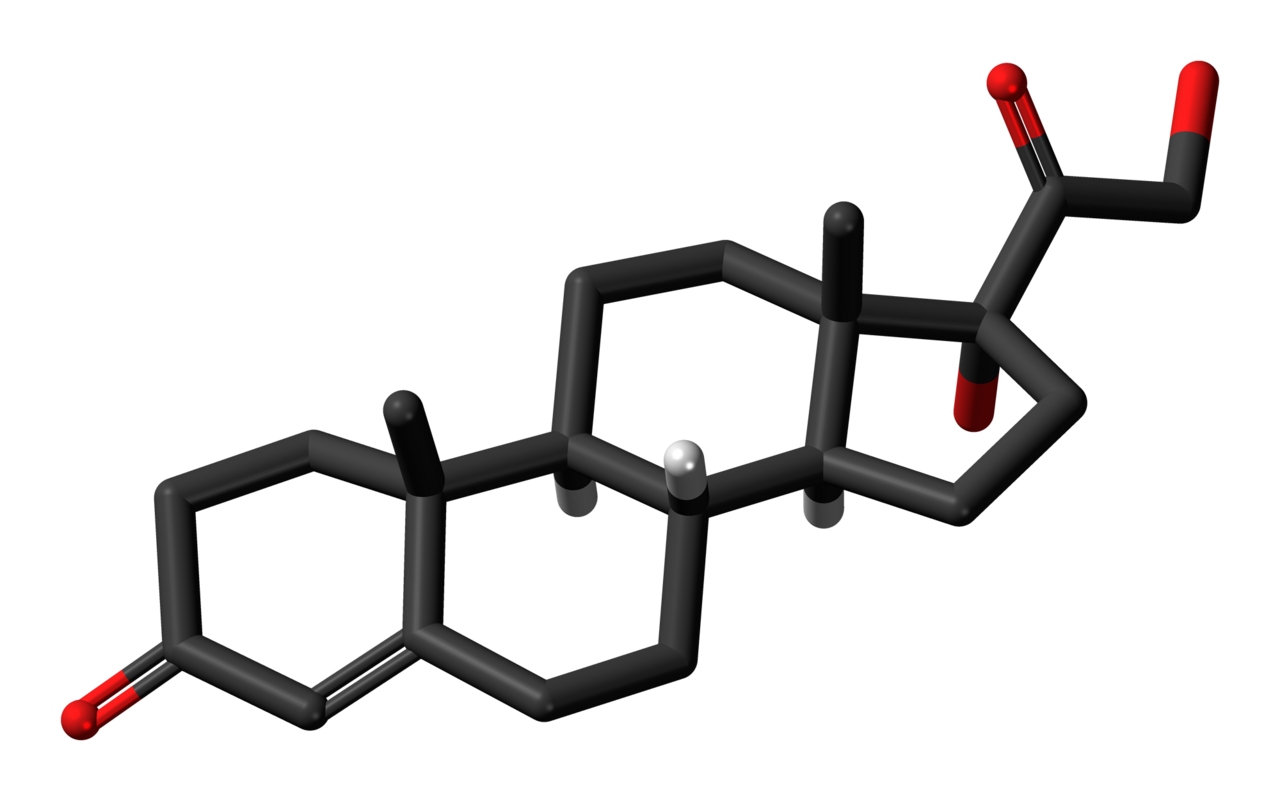
Sleep, Cortisol, and Hair Loss: A Real but Often Overstated Connection
Chronic sleep deprivation elevates cortisol and inflammatory markers. The connection to hair loss is real but commonly exaggerated, here's where the evidence actually sits.
Dr. Maya Chen, MD, PhD
about 1 year ago

Hyperbaric Oxygen Therapy for Hair Loss: Marginal Evidence, Major Cost
Hyperbaric oxygen therapy is promoted by some wellness clinics for hair loss. The evidence is preliminary and the cost is high relative to alternatives.
Dr. Maya Chen, MD, PhD
about 1 year ago
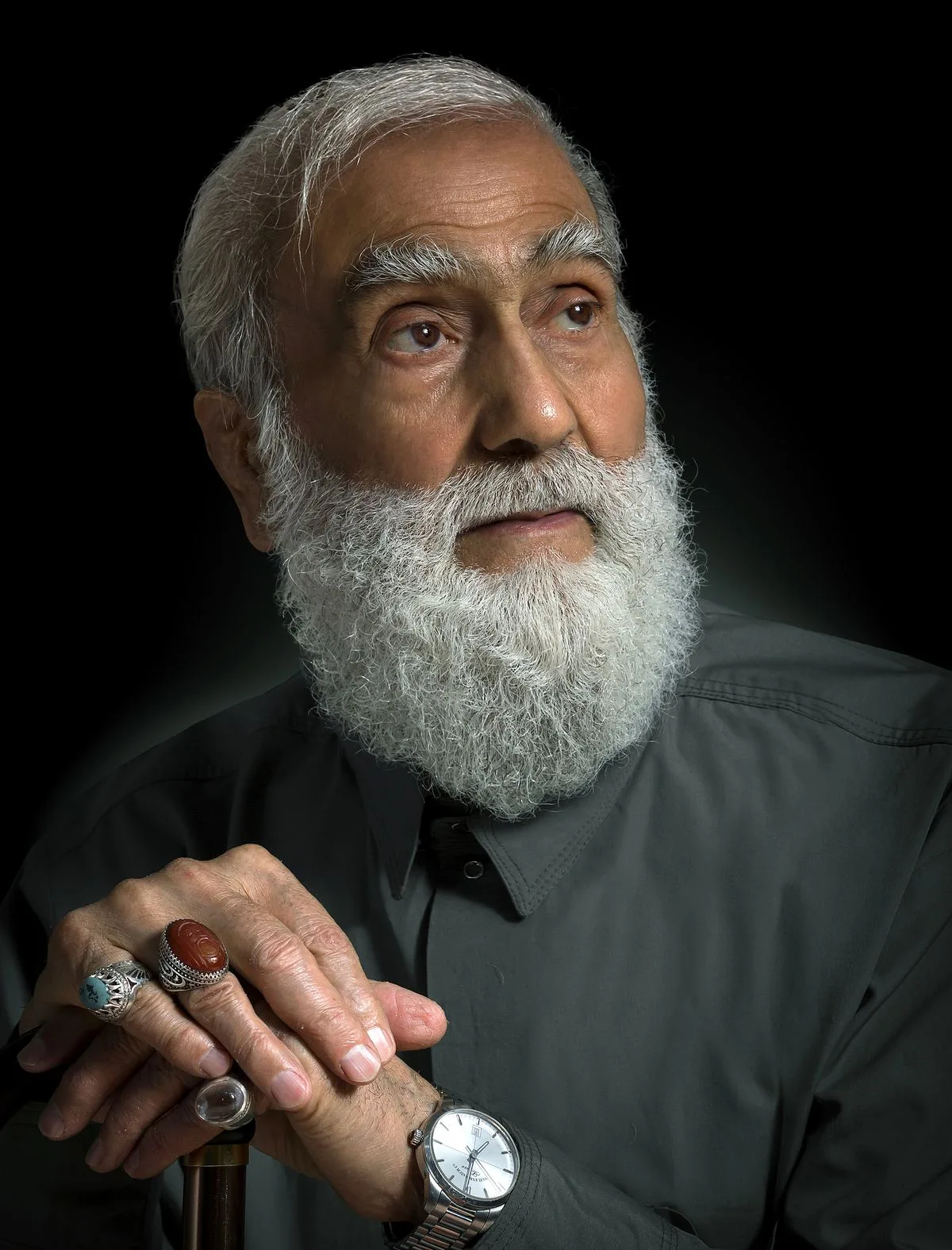
Beard and Body Hair as Donor for Transplant: When and How It Works
Patients with extensive scalp hair loss but adequate beard or chest hair density now have a viable supplementary donor option. The technique has matured significantly since 2018.
Dr. Maya Chen, MD, PhD
about 1 year ago

Vitamin K2 and Hair Loss: An Emerging Research Direction
Vitamin K2 has gained attention for bone and cardiovascular health. A few preliminary papers suggest possible relevance to hair biology, though the evidence is very early.
Dr. Maya Chen, MD, PhD
about 1 year ago

Mesotherapy Cocktails for Hair Loss: What's Actually in the Injections?
Hair loss mesotherapy injections contain widely varying ingredient combinations across clinics. Understanding what's typically included helps patients evaluate the offering.
Dr. Maya Chen, MD, PhD
about 1 year ago

AI-Based Hair Density Measurement: Smartphone Apps That Actually Work
Several smartphone apps now use machine learning to measure hair density from photographs. The clinical validation is mixed but the trajectory is promising.
Dr. Maya Chen, MD, PhD
about 1 year ago

Topical Steroids for Hair Loss: When They Help and When They Hurt
Topical corticosteroids treat the inflammatory components of several forms of hair loss. Used inappropriately or chronically, they can cause harm, including paradoxical hair loss.
Dr. Maya Chen, MD, PhD
about 1 year ago

Hair Loss After COVID Vaccination: Causation vs Correlation
Reports of hair loss following COVID vaccination prompted public concern. The epidemiological data shows the connection is complicated and largely explained by other factors.
Dr. Maya Chen, MD, PhD
about 1 year ago

Trichodynia: The Scalp Pain Some Hair Loss Patients Experience
Some patients with hair loss describe scalp pain, burning, or sensitivity. The condition has a name, trichodynia, and addressing it can improve treatment adherence.
Dr. Maya Chen, MD, PhD
about 1 year ago

Hair Loss From Common Medications: A Reference for What to Watch For
Many widely prescribed medications can cause hair loss. Recognising medication as a potential cause prevents unnecessary workup and enables treatment adjustment.
Dr. Maya Chen, MD, PhD
about 1 year ago
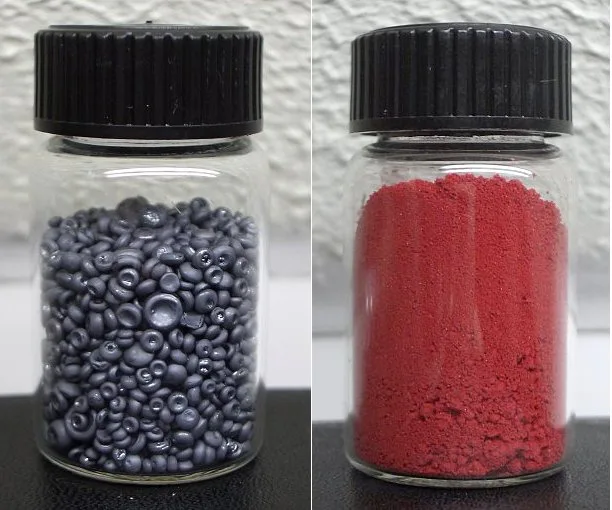
Selenium and Hair Loss: Why More Is Not Better
Selenium is essential for hair growth, but the therapeutic window is narrower than most supplements suggest. Both deficiency and excess cause hair loss.
Dr. Maya Chen, MD, PhD
about 1 year ago
Hair Loss Awareness Without Anxiety: The Psychological Side That Matters
Hair loss causes psychological distress for many patients in ways disproportionate to its medical severity. Recognising and addressing this dimension improves outcomes.
Dr. Maya Chen, MD, PhD
over 1 year ago

Zinc Deficiency and Hair Loss: Less Common Than Marketing Suggests
Zinc deficiency causes hair loss when present, but true deficiency is uncommon in Western diets. The widespread inclusion of zinc in hair supplements isn't justified by population-level prevalence.
Dr. Maya Chen, MD, PhD
over 1 year ago

Loose Anagen Syndrome: When Children's Hair Comes Out Painlessly
Loose anagen syndrome causes painless extraction of hair shafts in young children. It's underdiagnosed but typically self-resolving with age.
Dr. Maya Chen, MD, PhD
over 1 year ago
Crown vs Frontal Hair Loss: Why the Distinction Matters for Transplant Planning
The crown and frontal scalp behave differently in androgenetic alopecia progression and respond differently to transplantation. Planning needs to address each appropriately.
Dr. Maya Chen, MD, PhD
over 1 year ago
Stress-Induced Alopecia Areata: When Psychological Trauma Triggers Disease
Severe psychological stress can trigger alopecia areata onset or flares. The mechanism involves established connections between the nervous and immune systems.
Dr. Maya Chen, MD, PhD
over 1 year ago
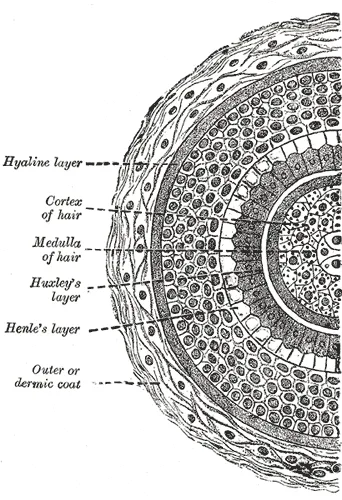
Density Visualisation: How Many Hairs Per Square Centimetre Looks Like What
Hair density numbers are abstract until you see what each density actually looks like. Understanding the relationship between numbers and appearance helps set realistic expectations.
Dr. Maya Chen, MD, PhD
over 1 year ago

Topical Tretinoin Combined With Minoxidil: A Quiet Workhorse Combination
Adding tretinoin to minoxidil enhances scalp penetration and may upregulate the sulfotransferase enzyme that activates minoxidil. The clinical evidence supports the combination.
Dr. Maya Chen, MD, PhD
over 1 year ago
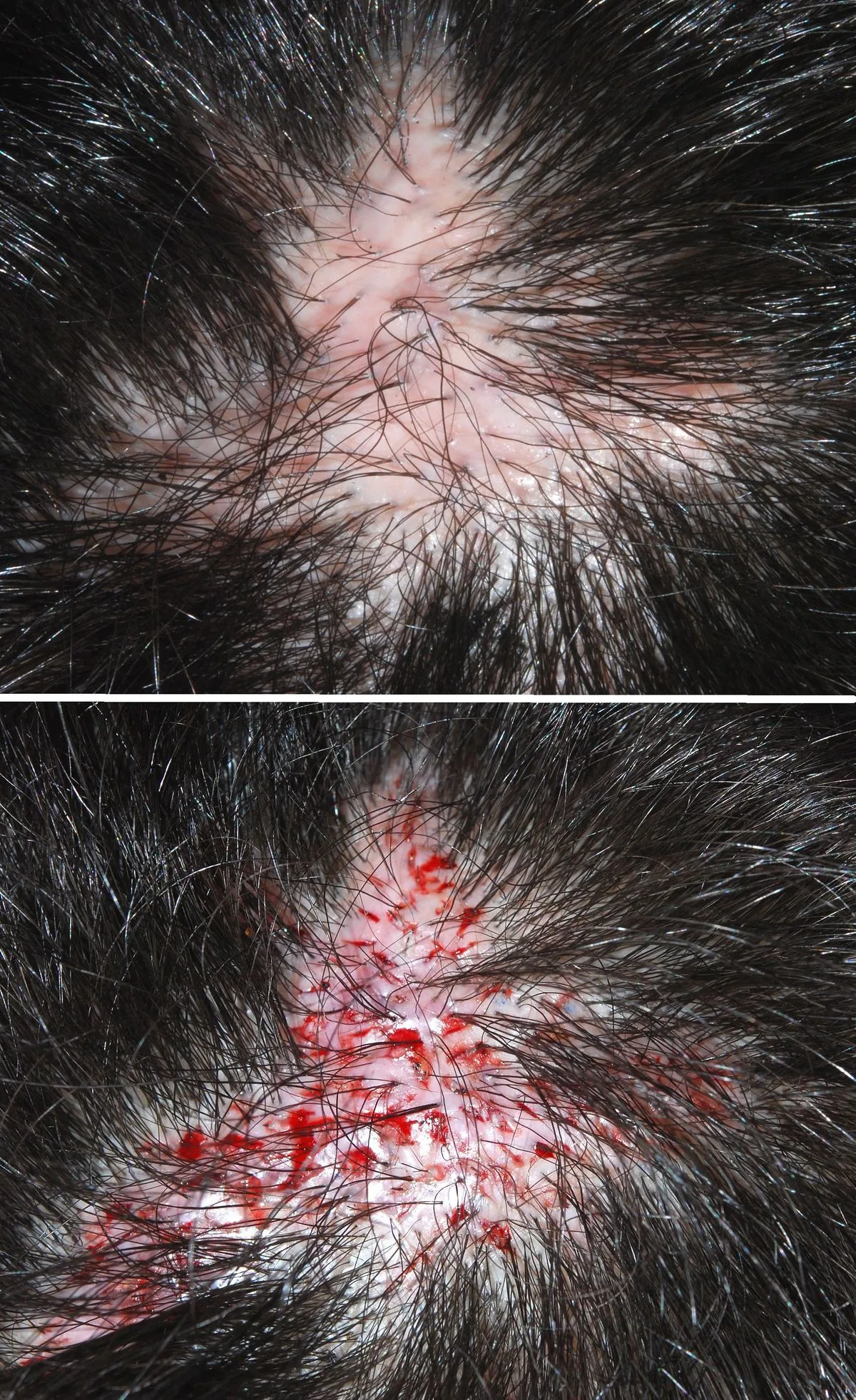
Long-Term Outcomes After Hair Transplant: 10-Year Data Beyond Initial Results
Hair transplant results 12 months post-op look impressive. What they look like at 10 years tells a more complete story about lasting outcomes and ongoing native loss.
Dr. Maya Chen, MD, PhD
over 1 year ago