
The concept has been around since the 1980s. Take a hair follicle, expand the cells in a lab, reimplant them, and grow new follicles indefinitely. No donor site limitation. No strip scar. No ceiling on how much hair you can restore. For forty years the idea sat in the category of "obviously correct in theory, impossible in practice." That is finally starting to change.
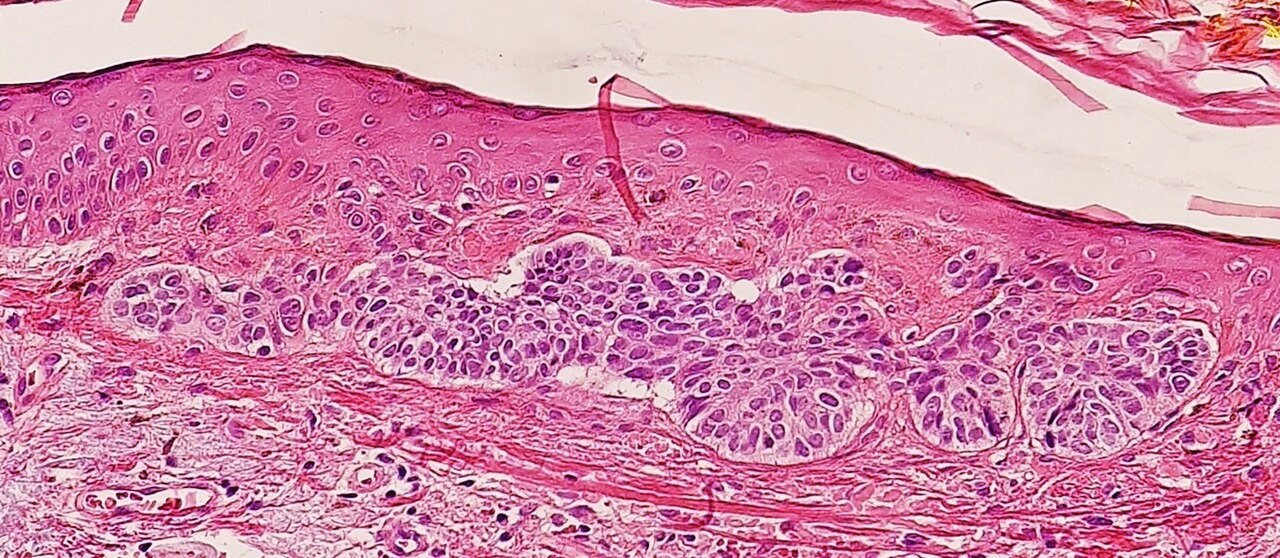
Stemson Therapeutics, a San Diego-based biotech founded in 2020, completed what they described as a first-in-human safety study in late 2025. The company has been notably quiet about specific numbers, a sign of either regulatory caution or results that need more time to mature, depending on who you ask. What they have confirmed: no serious adverse events, follicles were successfully generated from human induced pluripotent stem cells (iPSCs), and at least some of those follicles produced hair shafts after transplantation.
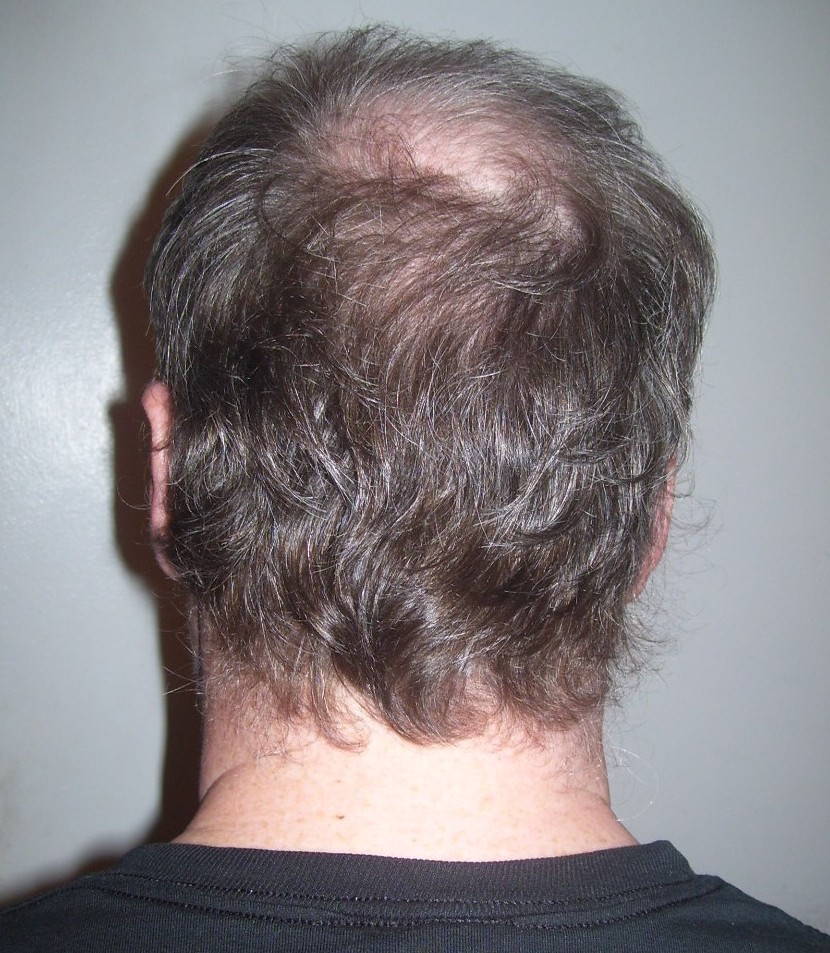
The biology behind the approach is genuinely elegant. iPSCs can be derived from a patient's own skin or blood cells, reprogrammed to a pluripotent state, then differentiated into the two key cell populations that create a hair follicle: dermal papilla cells and epithelial progenitor cells. When these two populations are combined correctly and implanted, they self-organise into a follicle-like structure capable of producing a hair shaft. Researchers at the Sanford Burnham Prebys Medical Discovery Institute demonstrated this in human skin grafted onto immunodeficient mice in a landmark 2021 paper in Nature Communications.
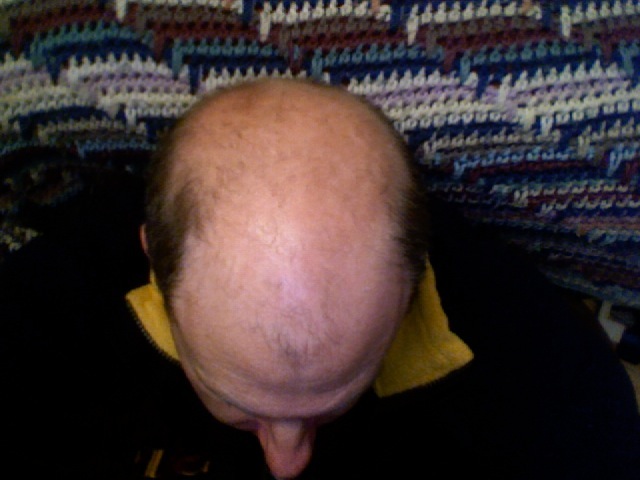
The challenge that has consumed most of the last five years is called the "dermal papilla signature." Dermal papilla cells, the small cluster at the base of each follicle that instructs it to grow, lose their hair-inducing properties rapidly when expanded in standard 2D culture. They flatten, dedifferentiate, and stop behaving like follicle cells. Several labs have now found ways around this: 3D spheroid culture maintains the molecular signature better than flat culture. Conditioned media from Wnt pathway activators helps preserve inductive capacity. The 2023 work by Terskikh and colleagues at Sanford Burnham identified specific transcription factors, including SOX2 and LEF1, that must remain active to maintain papilla identity through expansion.
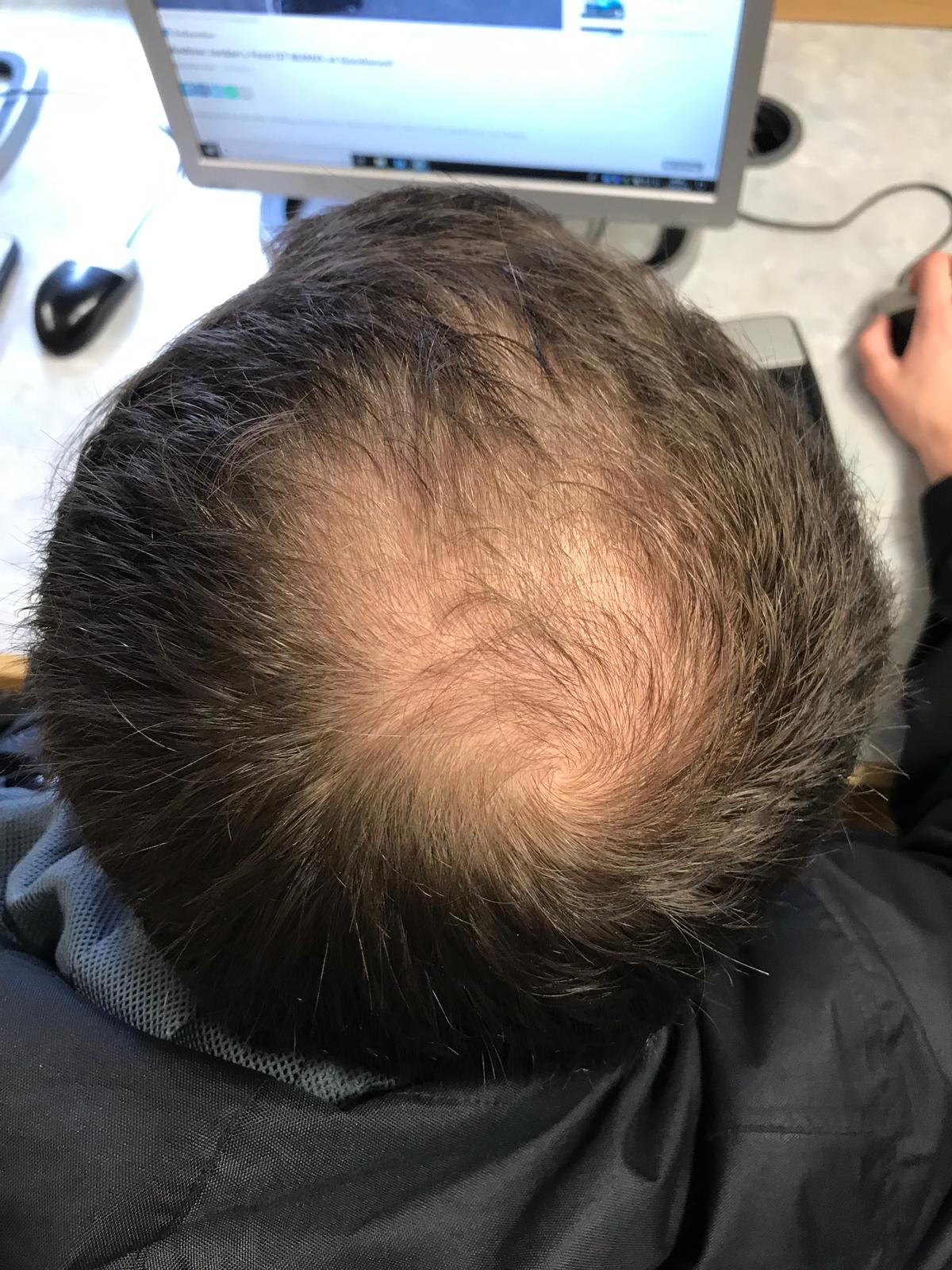
Stemson's specific approach layers iPSC-derived cells with a biodegradable scaffold that mimics the extracellular matrix environment of the follicular niche. This scaffold has been a key piece of their IP portfolio since their founding. The scaffold degrades over several weeks while the cells establish themselves, theoretically solving the problem of transplanted cells dispersing before they can self-organise.
What remains genuinely unknown is whether iPSC-derived follicles will cycle correctly in human skin. A follicle isn't static, it goes through growth (anagen), regression (catagen), and rest (telogen) phases continuously over years. In mice, implanted follicles from iPSC-derived cells have shown cycling behaviour. Human follicle cycles are dramatically longer (years, not weeks) and the long-term behaviour of these engineered follicles in human skin over a decade is uncharted territory.
The regulatory path is also complex. The FDA will almost certainly require evidence that iPSC-derived follicles don't carry tumourigenesis risk, a legitimate concern given that iPSC reprogramming involves brief reactivation of oncogenes. Stemson's safety data from their 2025 study presumably addressed this, but the bar for a long-term implantable cell therapy is high.
My current read: if Phase 1 safety data is clean and Phase 2 efficacy data shows consistent follicle production and cycling in 60%+ of treated sites, Stemson could reach a conditional approval pathway by 2028–2029. That's not a guarantee, this technology has surprised researchers before, in both directions. But for the first time, the question isn't whether follicle cloning works biologically. It's whether it can be manufactured reliably enough and safely enough to reach patients. That's a different kind of problem, and it's one the biotech industry knows how to solve.


Discussion (3)
James_NW3
2 months ago
The part about follicle cycling is what nobody talks about. Even if you get the follicle in, does it behave like a real follicle for 20 years? That's the actual question.
AnonymousDad
2 months ago
My son is 16 and already seeing thinning. I genuinely believe this tech will exist in a form he can access by the time it matters for him. This gives me real hope.
Rachel K.
2 months ago
Noticed the mouse data is nearly always from male mice. Female-pattern hair loss has a completely different distribution pattern, has anyone tested this in female models?
Join the discussion
Free account. Read, like, save, and comment on every article.