
Platelet-rich plasma therapy for hair loss has existed in a frustrating scientific grey zone for over a decade. Thousands of dermatologists and clinics worldwide have been offering it. Thousands of patients have been paying for it. And the research quality has been, to put it charitably, inconsistent, small trials, variable protocols, inconsistent endpoints, and a pronounced publication bias toward positive results. A 2025 Cochrane-style systematic review and meta-analysis published in JAMA Dermatology has done the most rigorous job yet of pulling the evidence together, and the results deserve careful reading.

The review identified 28 randomised controlled trials of PRP for androgenetic alopecia published between 2015 and 2024, encompassing 1,847 patients. Study quality was assessed using the Cochrane risk-of-bias tool. Critically, 19 of the 28 trials had significant methodological concerns, inadequate allocation concealment, incomplete blinding, or undeclared conflicts of interest involving clinic authors. The meta-analysis therefore stratified results by study quality.
In the high-quality studies only (9 trials, 624 patients), PRP produced a mean increase in hair density of 16.4 additional hairs per cm² at 6 months versus placebo injection. Hair shaft calibre (thickness) also improved significantly, a mean increase of 8.3 micrometres in shaft diameter, which represents a clinically noticeable thickening. These are meaningful numbers. For context, minoxidil produces approximately 15–20 hairs per cm² in comparable measurements. PRP, administered as three monthly injections, appears to produce comparable short-term efficacy to minoxidil.
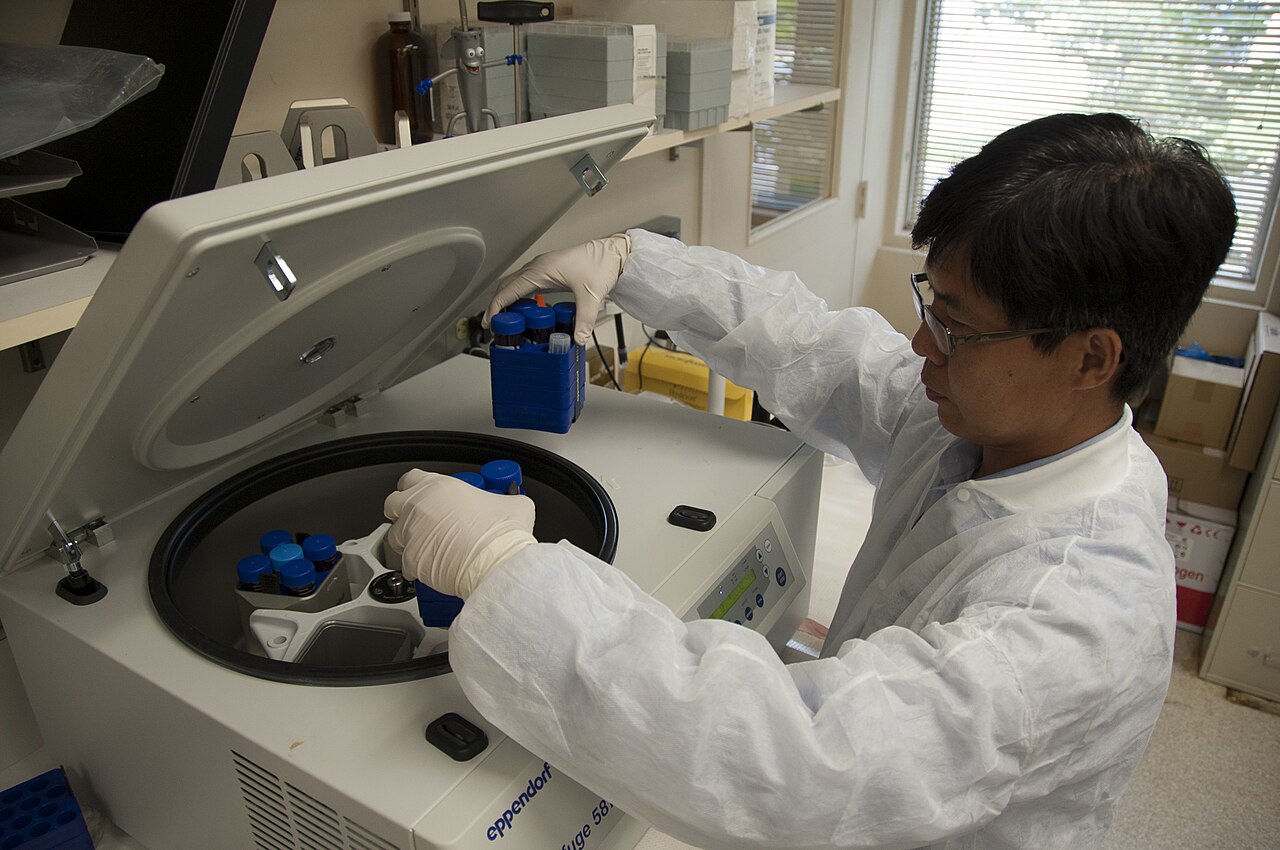
Two important caveats. First, the 6-month data doesn't tell us about durability. Of the trials that followed patients beyond 12 months, the majority showed partial or complete regression toward baseline without maintenance sessions. PRP is not a set-and-forget treatment, ongoing sessions every 6 to 12 months appear necessary to maintain results, which has significant cost implications. Second, the optimal PRP preparation protocol is still not standardised. The concentration of platelets, the presence or absence of leucocytes, the activation method (calcium chloride versus thrombin versus no activation), and the injection technique all vary substantially across trials and likely affect outcomes.
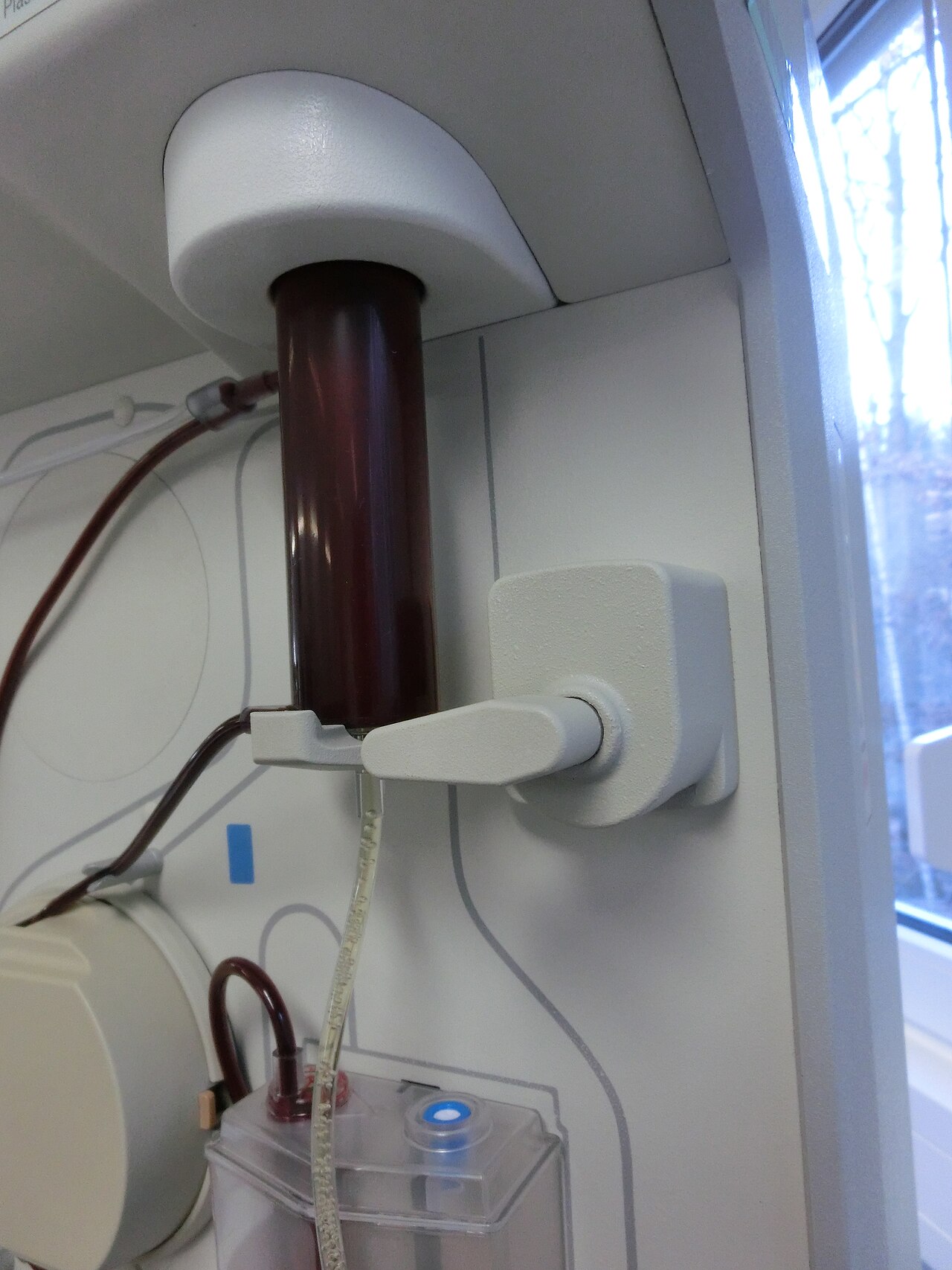
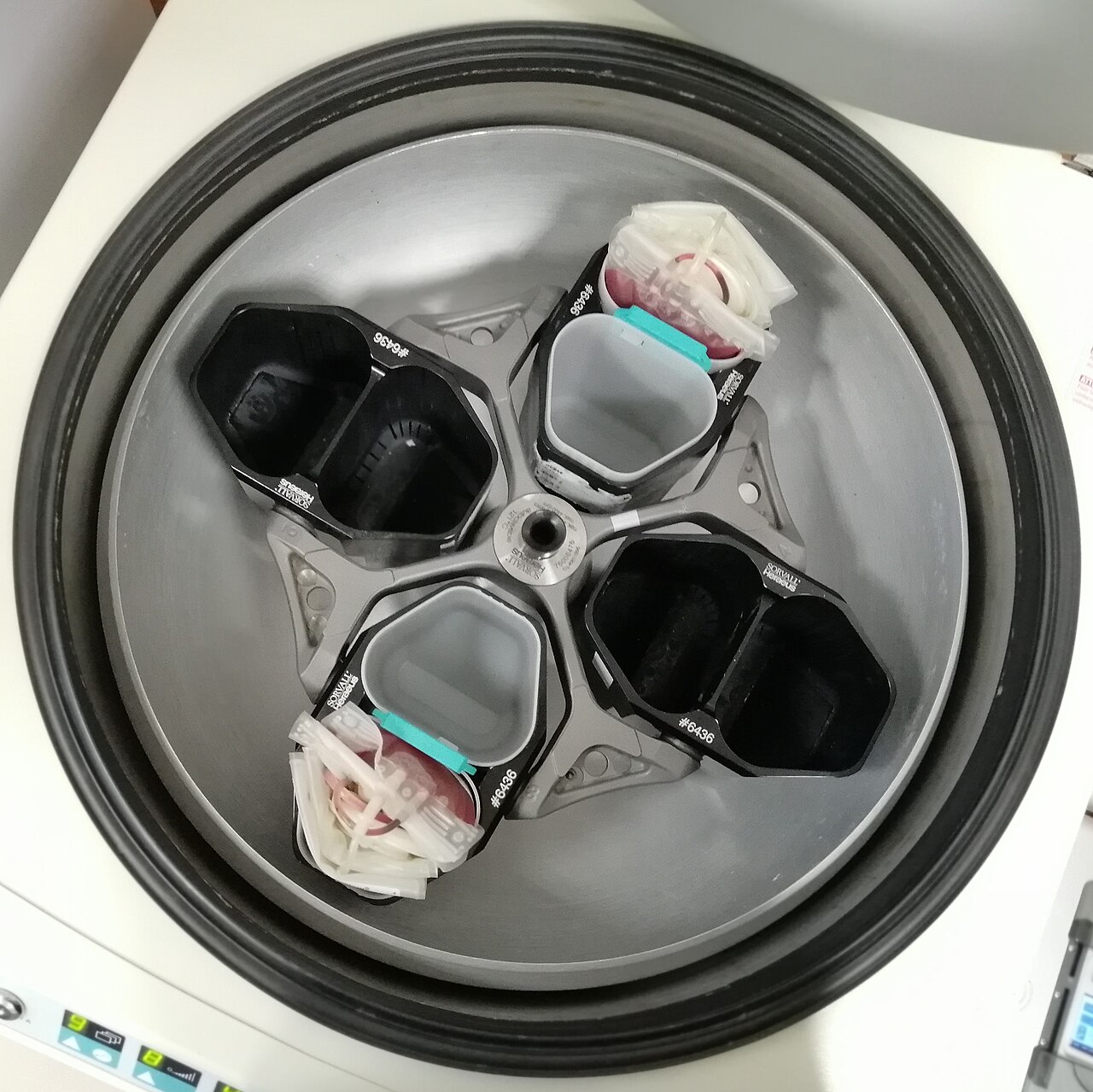
The mechanism is increasingly well-understood. Activated platelets release a cocktail of growth factors, PDGF, TGF-β, EGF, VEGF, IGF-1, that act on follicle dermal papilla cells to promote proliferation, extend anagen phase, and potentially reduce apoptosis of follicle cells. The concentration of these factors in PRP is substantially higher than in peripheral blood, which is why the centrifugation step matters: higher platelet concentration means higher growth factor concentration means (up to a point) greater biological effect.
The practical upshot: PRP is a legitimate treatment for androgenetic alopecia with a real evidence base, but the evidence supports it as a comparable, not superior, option to minoxidil, with the significant disadvantage of requiring clinic visits and the considerable disadvantage of cost. For patients who can't tolerate minoxidil, or who want an additive treatment alongside their existing protocol, PRP is defensible. For patients choosing between PRP and established pharmacological options, the evidence doesn't support PRP as a first-line treatment.
Discussion (2)
Priya S.
2 months ago
Had 6 PRP sessions over 2 years. The shedding reduction was noticeable from the second session. Density results were modest but real. Stopped when I moved and the maintenance cost at my new clinic was prohibitive.
DrewFromAustin
2 months ago
The publication bias problem in PRP research is something that needed addressing. Glad to see a rigorous meta-analysis finally done right.
Join the discussion
Free account. Read, like, save, and comment on every article.