
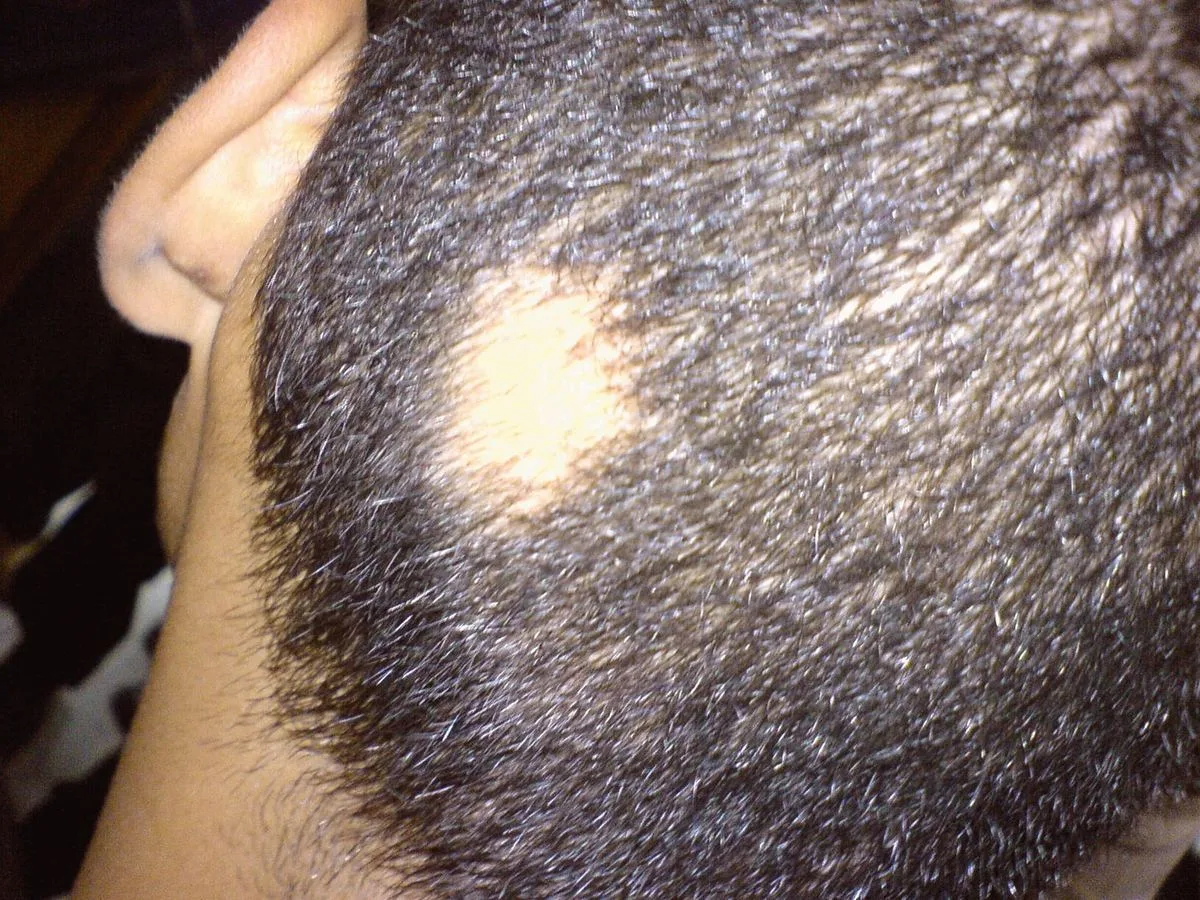
When baricitinib received FDA approval for severe alopecia areata in June 2022, the first systemic treatment ever approved for the condition, the pivotal BRAVE-AA1 and BRAVE-AA2 trial data showed compelling 36-week efficacy numbers. But trials measure what they're designed to measure, and neither trial was designed to answer the question that arguably matters most to patients: is this a treatment or a cure?
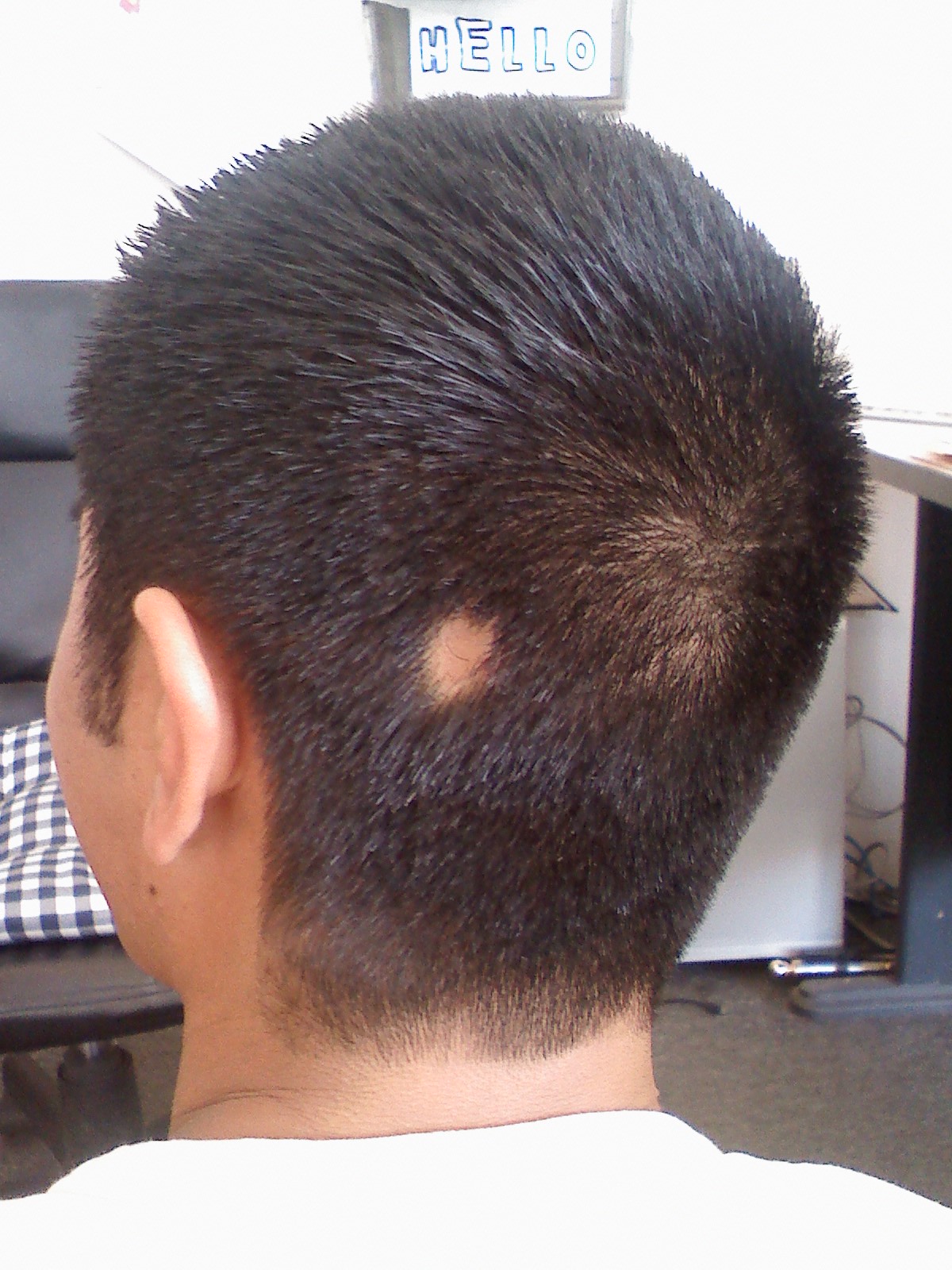
The two-year open-label extension data, published in JAMA Dermatology in early 2025, provides the first longitudinal view of what happens to patients over time on baricitinib, and what happens when they stop. The picture is both encouraging and sobering in roughly equal measure.
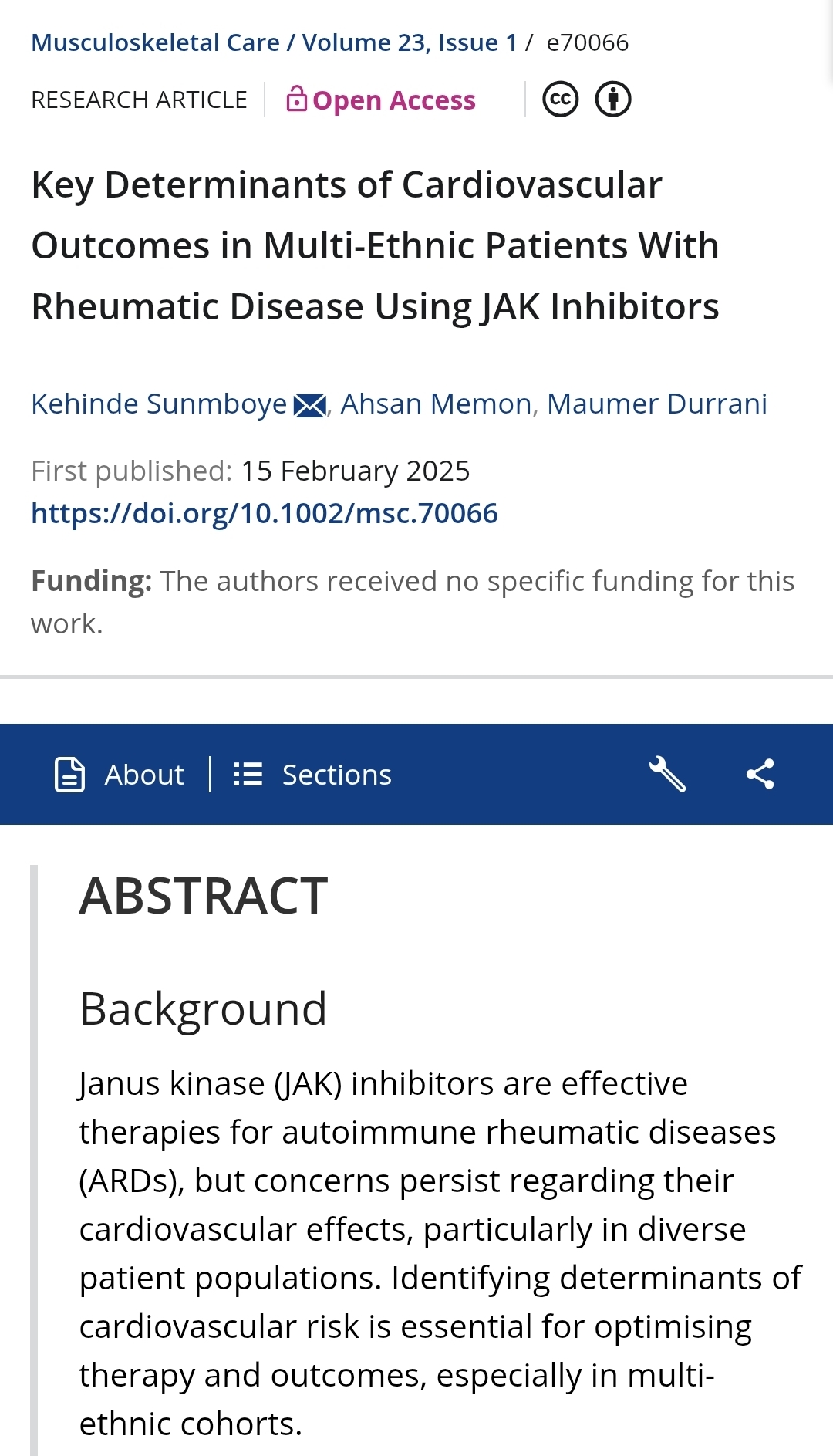
The encouraging part: patients who maintained their response through 36 weeks, defined as achieving SALT ≤ 20, and continued on the 4mg dose through the open-label extension showed maintained response rates of 67% at 96 weeks. The drug continues to work. For patients with severe, refractory alopecia areata who had previously failed corticosteroids and other immunosuppressants, this durability is meaningful. The side effect profile remained consistent with the Phase 3 data: upper respiratory tract infections in roughly 20% of patients annually, a small number of serious adverse events including one case of herpes zoster reactivation that resolved with antiviral treatment.
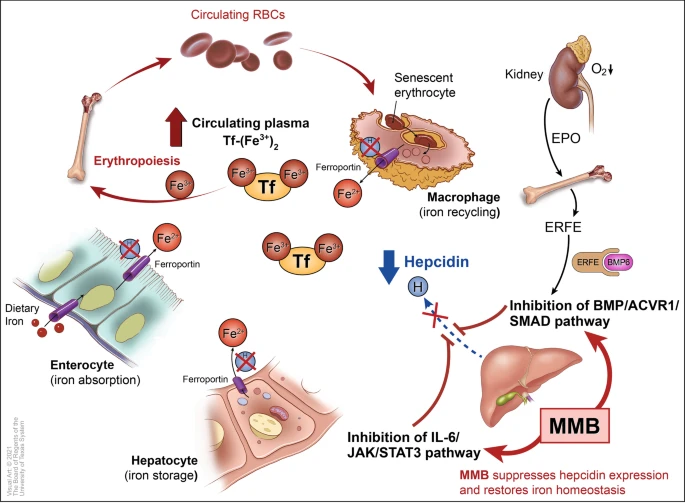
The sobering part: of the patients who discontinued baricitinib for any reason, planned treatment holiday, side effects, or personal choice, 83% experienced relapse of hair loss within 6 months of stopping. This is not entirely surprising given what we know about the mechanism. Baricitinib is a JAK1/JAK2 inhibitor that suppresses the immune activity attacking follicles. When you remove the suppression, the immune attack resumes. The drug doesn't modify the underlying autoimmune disease, it manages it.

This relapse data doesn't make baricitinib a bad treatment. It makes it a chronic treatment, more analogous to insulin for type 1 diabetes than to a cure. For a condition as psychologically devastating as severe alopecia areata, effective symptom management over years is genuinely valuable even if the disease process continues beneath the surface. But it does answer the question of whether JAK inhibitors will, on their own, deliver a cure for alopecia areata: almost certainly not. They're a management tool.
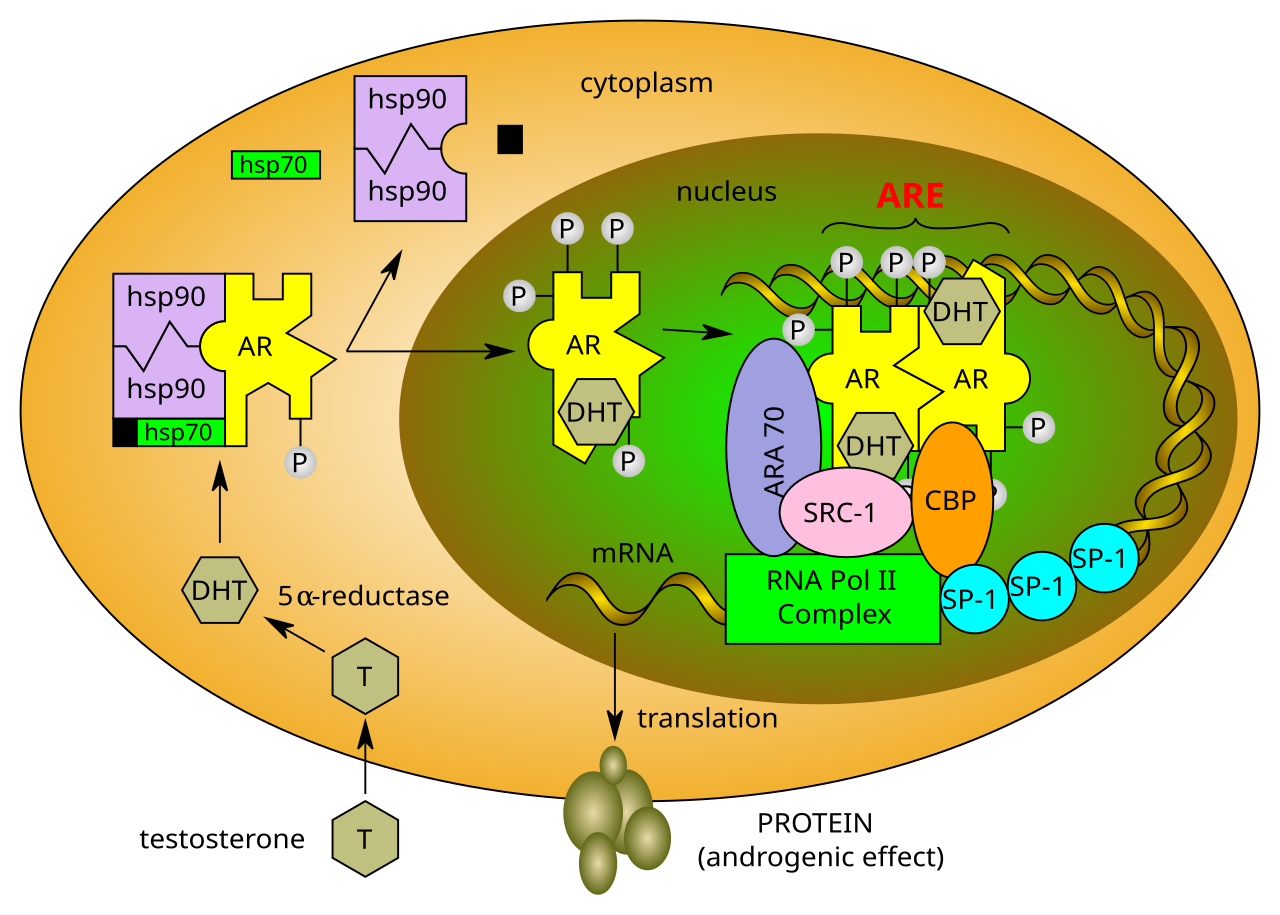
The implications for androgenetic alopecia research are relevant. Several investigator-initiated studies are now testing JAK inhibitors in androgenetic alopecia, a condition that, unlike alopecia areata, has a non-immune hormonal driver. The theoretical concern is that the relapse-on-discontinuation pattern seen in alopecia areata would be replicated: suppress JAK signalling, see improvement, stop, lose the improvement. If that's true, JAK inhibitors for androgenetic alopecia may face the same chronic-treatment-not-cure limitation. Whether the effect size in androgenetic alopecia is large enough to justify indefinite treatment with a drug that carries infection and cardiovascular warnings remains to be determined.
Discussion (2)
AnonymousDad
2 months ago
The chronic treatment reality is what I suspected. But for severe AA it's still a life-changing drug even if it's not a cure. My sister had near-total loss for six years.
Marcus T.
2 months ago
The relapse rate on discontinuation is troubling from a health economics perspective. A drug you take forever is a very different proposition than one that courses through and leaves you cured.
Join the discussion
Free account. Read, like, save, and comment on every article.