
I first came across HairClone in 2021 when I was researching every possible angle on hair loss treatment and encountered their pitch: bank your follicle cells now, while your follicles are still relatively healthy, and we'll use them to restore hair when the technology matures. It sounded either visionary or like an elaborate way to charge people for freezing cells that would never be used. After three months of investigating, I think the truth is somewhere more complicated.
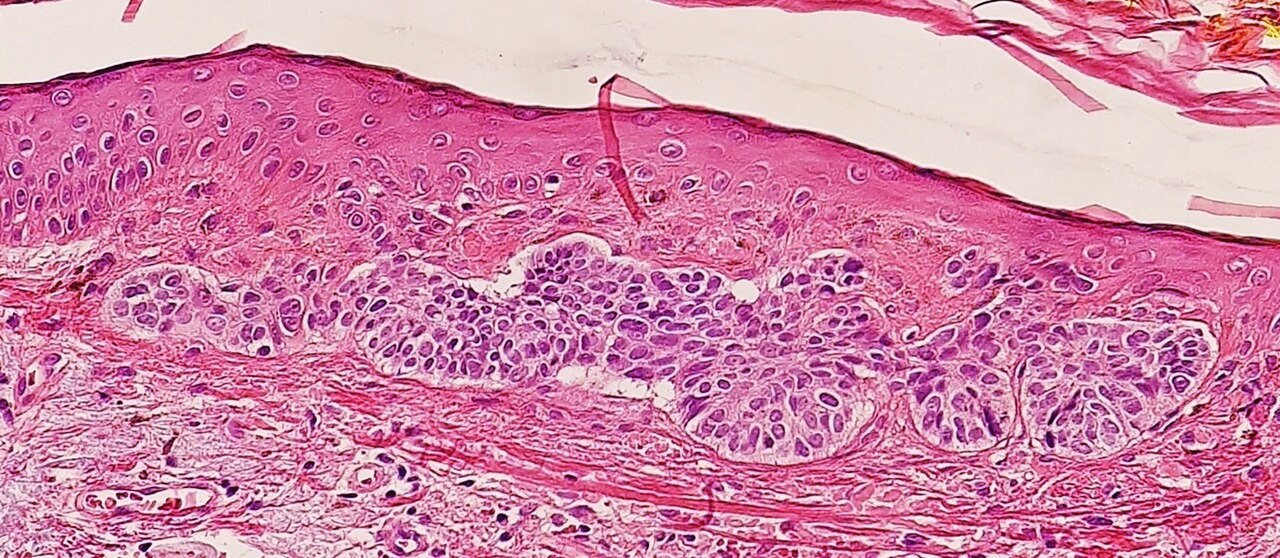
The biology of the banking approach is sound. Hair follicle dermal papilla cells, the cells that instruct follicle growth, can be extracted via a small punch biopsy of the scalp, separated in the lab, cryopreserved, and stored indefinitely. The cells retain viability after freezing. When and if a therapeutic application becomes available, they can be thawed, potentially expanded, and used. Banking at an earlier stage of hair loss preserves cells that still have their full inductive capacity, the ability to instruct follicle formation, which decreases as the follicles themselves miniaturise over years of androgenetic alopecia progression.
HairClone's current pricing model charges a one-time extraction fee (around £2,000 in 2025) and an ongoing annual storage fee. The extraction procedure is performed by partner clinics in the UK and several European countries. The company has been upfront that no therapeutic product is currently available, you're banking against a future that doesn't exist yet. What they're selling is optionality.
The critical unknown is the timeline. HairClone's roadmap suggests a therapeutic product could be available by 2028–2030, contingent on positive Phase 1/2 clinical trial data from their collaboration with Intercytex. The science underpinning the approach, using expanded autologous dermal papilla cells to restore follicle density, has been investigated since the early 2010s. Intercytex ran the ICX-TRC trial in 2008–2011, which showed proof-of-concept results but insufficient effect size for regulatory approval. The technology has improved significantly since then: 3D spheroid culture maintains cell inductive capacity better, and understanding of the growth factors required has deepened.
The honest answer to the timeline question is that 2028–2030 is plausible but not certain. Clinical trials can fail. Regulatory pathways for cell therapies are demanding. The 2030 Cure mission that this publication tracks is not a guarantee, it's a credible target, and cell banking is one of the bets on that timeline that a motivated patient can make right now.
The people for whom banking makes most sense are those in the early stages of hair loss, Norwood 1–3, with a genuine commitment to exploring every option. Banking at this stage preserves the most viable cells. For someone who is already significantly bald, the remaining follicles may have already lost much of their inductive capacity, which reduces the value of banking. That's a judgment call each individual needs to make with realistic expectations about what banking can and cannot guarantee.

Discussion (2)
Marcus T.
2 months ago
Banked with HairClone last year. The extraction procedure was straightforward, 30 minute appointment, mild discomfort. The unknowns about the timeline are real but I figured the downside risk is just the storage fee.
Rachel K.
2 months ago
The question of whether cells retain inductive capacity after long-term cryopreservation at scale is something I'd want more published data on before committing the fee.
Join the discussion
Free account. Read, like, save, and comment on every article.