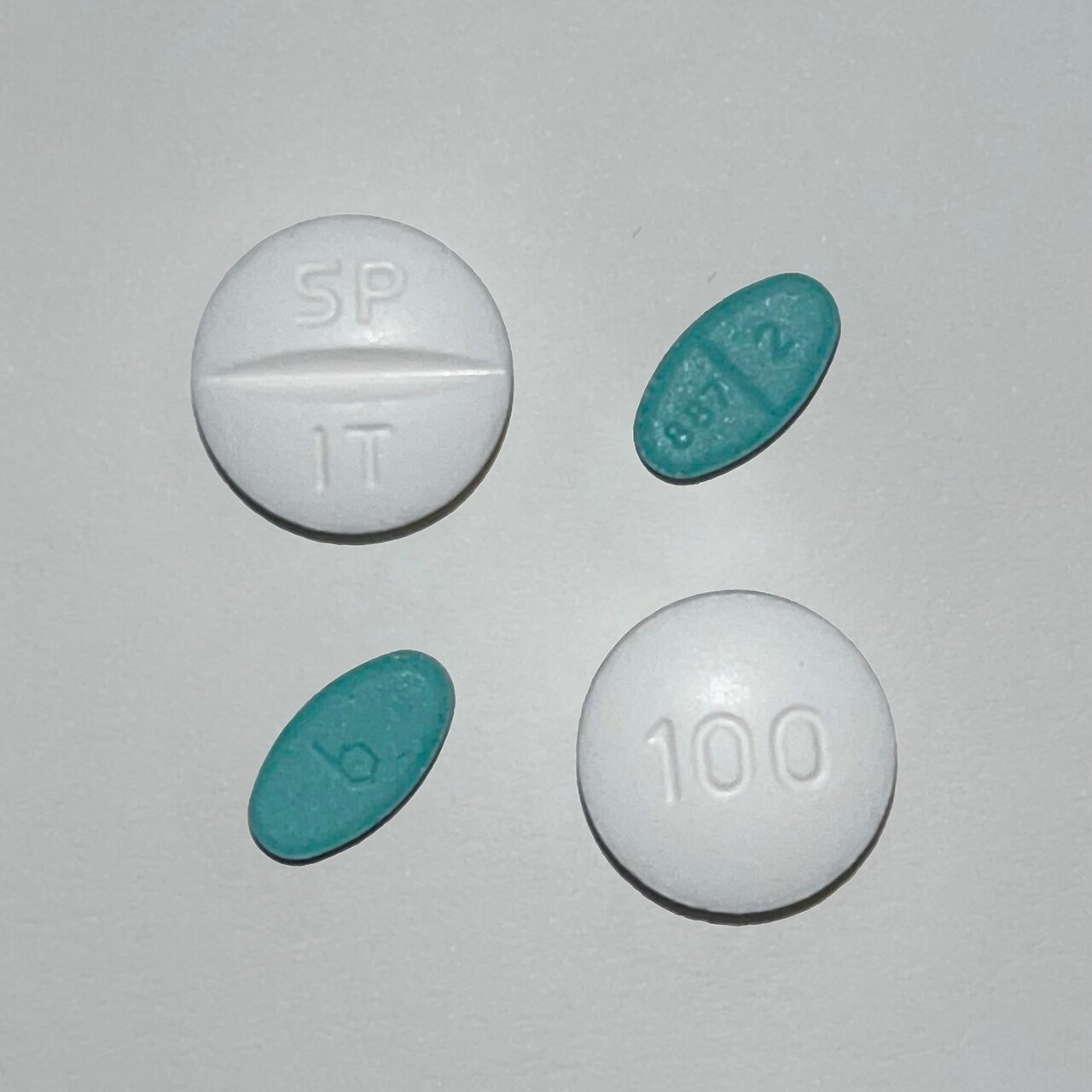
Spironolactone for Female Pattern Hair Loss: The Most Underprescribed Effective Treatment

Standard safety profile; consult a board-certified dermatologist.
Evidence-based therapy under active evaluation; review with your physician before altering your routine.
Spironolactone is a potassium-sparing diuretic with significant antiandrogen activity at higher doses. The 100 to 200mg/day range used for hair loss blocks androgen receptor binding and inhibits 5-alpha reductase to a lesser degree. For female pattern hair loss, which has a partially androgen-mediated pathophysiology, the rationale for use is mechanistically sound. The drug has been used off-label for this indication since the 1980s, with most clinical experience accumulated in Australia, the UK, and the US.
The 2024 JAMA Dermatology systematic review pooled data from 17 studies and 2,043 women treated with spironolactone for female pattern hair loss. Hair density improvement or stabilisation was reported in 68% of patients at 12 months. Side effects were generally mild: menstrual irregularity (most common, around 18% of premenopausal users), mild blood pressure changes, and breast tenderness. Hyperkalaemia, a theoretical concern given the potassium-sparing mechanism, was rare and easily monitored.
Why isn't spironolactone prescribed more widely? Several reasons. Many primary care physicians are unfamiliar with its dermatological indication. There's a regulatory caution about teratogenicity (pregnancy must be avoided during use). And the drug isn't owned by a pharmaceutical company motivated to market it for hair loss. For women with female pattern hair loss, particularly those with hyperandrogen features (PCOS, hirsutism), spironolactone deserves serious consideration alongside topical minoxidil. The evidence base is now adequate to support it as a first-line systemic option.
References & Clinical Data
- Spironolactone for female pattern hair loss: systematic review and meta-analysis , Burns LJ, et al. (JAMA Dermatology, 2024)
- Spironolactone in dermatology: a comprehensive review , Famenini S, et al. (Journal of the American Academy of Dermatology, 2015)
- Long-term safety of spironolactone for female androgenetic alopecia , Sinclair RD. (International Journal of Dermatology, 2018)