
In 2012, Luis Garza and colleagues at Johns Hopkins published a paper in Science Translational Medicine that should have changed everything. They demonstrated that prostaglandin D2 (PGD2) is significantly elevated in bald scalp compared to hair-bearing scalp, that it potently inhibits human hair growth ex vivo, and that it acts through the GPR44 receptor (also known as CRTH2) expressed on follicle cells. It was a clean, mechanistically coherent finding: bald scalp produces more PGD2, PGD2 signals through CRTH2 to suppress follicle activity. Block CRTH2, restore growth.
That was fourteen years ago. There is still no approved drug targeting this pathway for hair loss. Understanding why tells you a lot about how difficult drug development actually is.

The CRTH2 receptor isn't unique to hair follicles, it's a key mediator of Type 2 inflammation and is expressed on eosinophils, basophils, and Th2 T cells. Several pharmaceutical companies developed CRTH2 antagonists for asthma: AstraZeneca's fevipiprant, Novartis's OC000459, Merck's laropiprant. Laropiprant was actually approved in combination with niacin for cholesterol in Europe before being withdrawn for cardiovascular concerns. None of these compounds made it through asthma trials convincingly enough to reach approval, which meant the IP landscape became complicated and the enthusiasm for CRTH2 as a target cooled significantly by around 2016.

Meanwhile, the hair loss application was left largely to academic labs. A small investigator-initiated study using setipiprant, another CRTH2 antagonist developed by Actelion, showed promising hair count improvements in a Phase 2a study published in 2019. The company was acquired by Johnson & Johnson before the programme could advance, and the hair loss indication was quietly shelved.
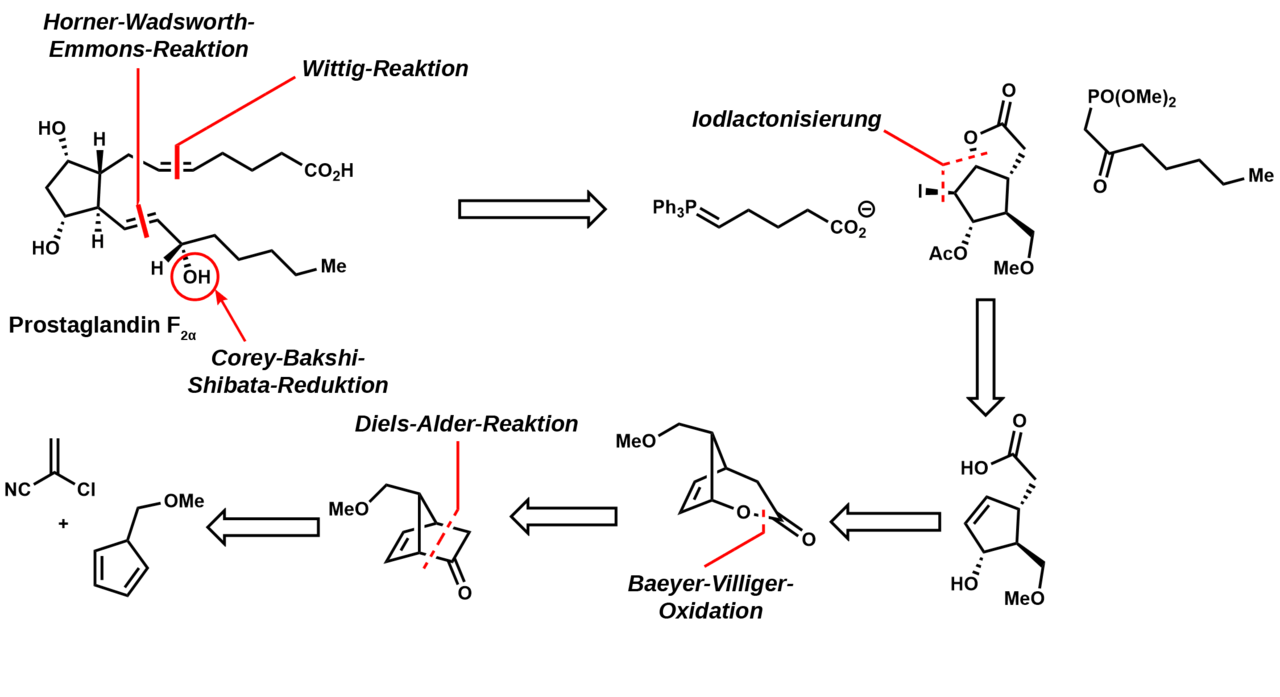
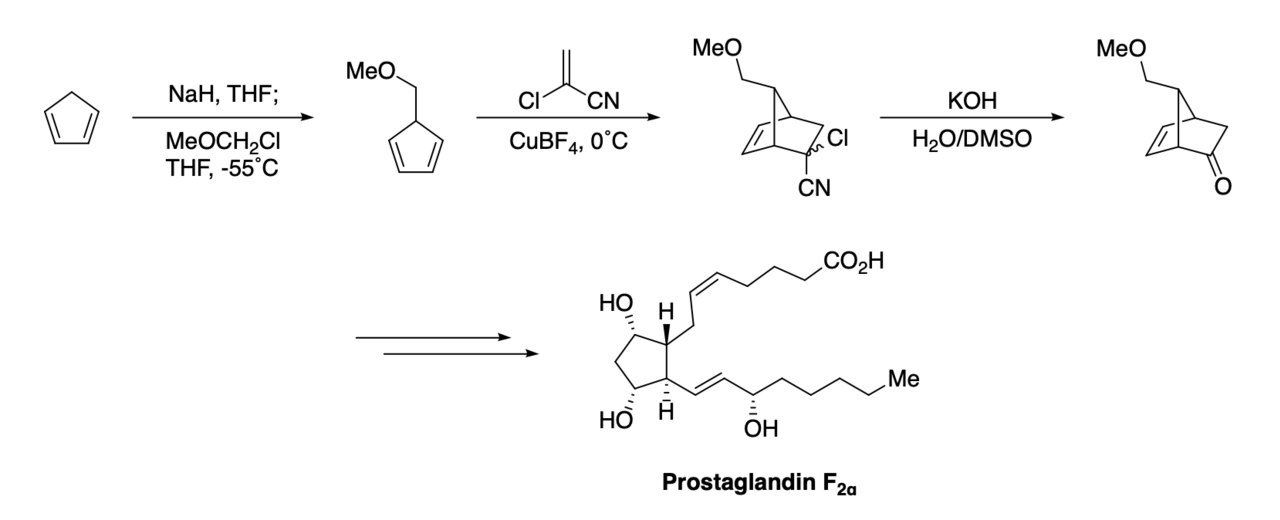
There's a second prostaglandin angle that complicates the picture. Prostaglandin E2 (PGE2) appears to do the opposite of PGD2, it promotes hair growth rather than suppressing it. Minoxidil, the most widely used hair loss treatment in the world, may work in part by upregulating prostaglandin E2 synthase in follicle cells. A 2020 study by Kandiah et al. in PLOS Genetics added another layer: the gene PTGDS, which encodes the enzyme that produces PGD2, shows different expression patterns in men with and without androgenetic alopecia at the follicular level. This suggests the elevated PGD2 in bald scalp isn't just a downstream effect of hair loss but may be upstream of androgen signalling in the causative chain.
What would actually move this forward is a topical CRTH2 antagonist with a clean scalp selectivity profile, something that doesn't reach systemic concentrations high enough to affect eosinophil function. The skin permeation and formulation science for scalp-targeting topicals has improved significantly since 2012. Histogen (now merged with Allergan) had a topical PGD2 pathway compound in preclinical development as recently as 2023. Several biotech startups in the UK and Israel are working on GPR44-targeted topicals that have shown follicle-level activity in organoid models.
The frustrating truth is that the PGD2/CRTH2 mechanism is probably a real driver of hair loss in at least a subset of patients. The pathway is biologically validated. The compounds exist. The problem is commercial: hair loss is a large market but it's served by cheap generics (minoxidil, finasteride), and the appetite for funding clinical development of a novel topical against a pathway that big pharma already tried and moved away from is limited. This is where the venture capital allocation in hair biotech has genuinely mismatched the biological opportunity.
By 2030, I expect at least one targeted CRTH2 antagonist to be in Phase 2 trials for androgenetic alopecia. Whether it reaches approval before the decade ends is a question of funding as much as science.



Discussion (2)
James_NW3
2 months ago
Fourteen years. I remember reading about PGD2 in 2013 thinking this would be approved by now. The gap between discovery and drug is genuinely demoralising.
Rachel K.
2 months ago
The VC funding point is real. Female-pattern hair loss doesn't fit the androgenetic model cleanly either, investors just aren't interested in the patient populations that fall outside the standard narrative.
Join the discussion
Free account. Read, like, save, and comment on every article.