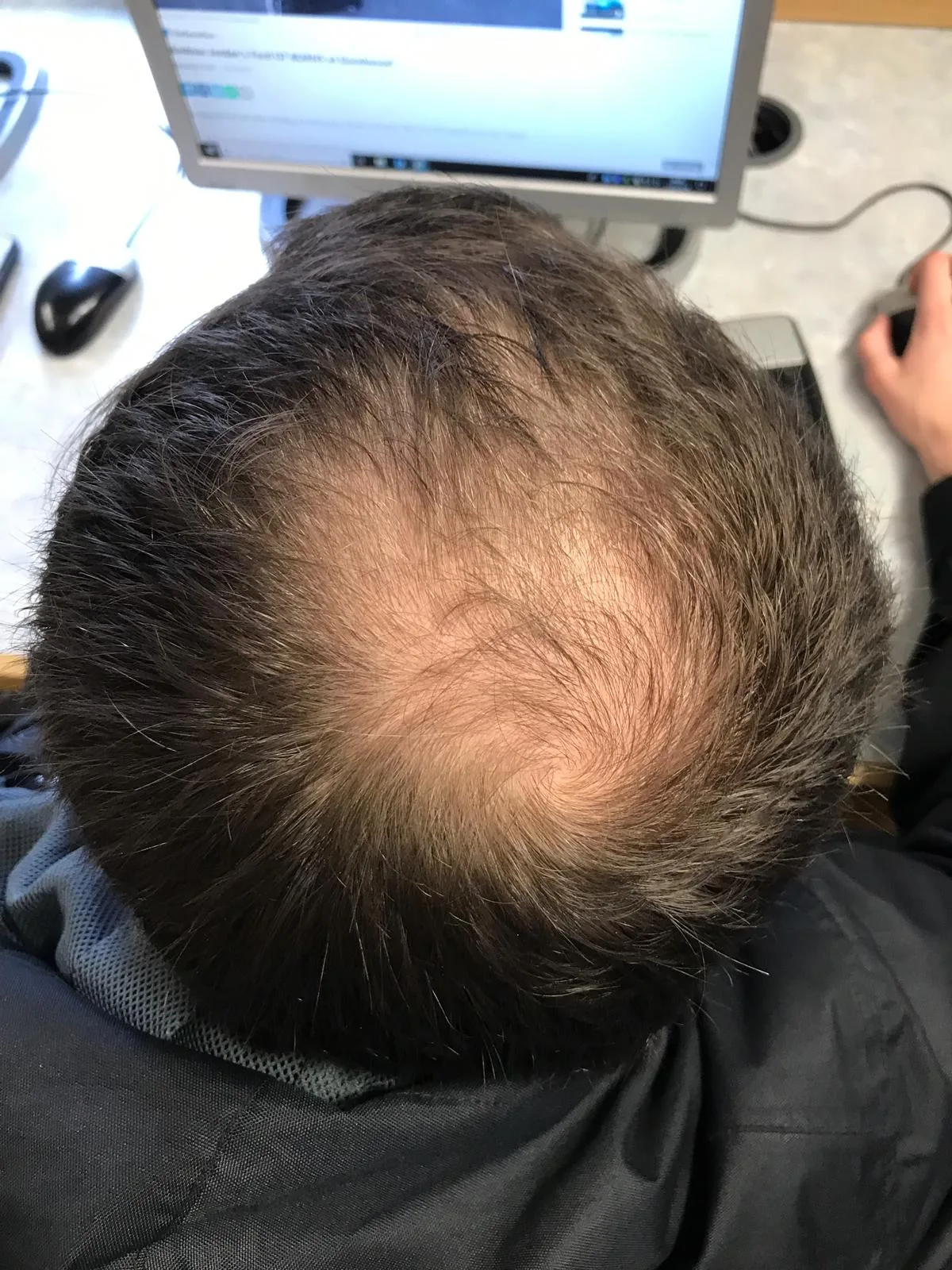
One of the most consistent things patients ask me about, usually in private, often after our consultation has officially ended, is whether they should tell people they're getting hair loss treatment. It's a question that sounds trivial and turns out to be loaded. After hundreds of these conversations over the years, I've developed some thoughts. They're personal opinions, not medical advice. But they might help if you're working through this yourself.
The first thing to acknowledge is that the question exists for a reason. Hair loss treatment carries a stigma that's hard to explain rationally. We don't expect people to feel embarrassed about taking blood pressure medication. We don't shame people for using glasses to correct vision. But there's something specific about cosmetic intervention, particularly for men, that triggers shame, defensiveness, and judgment. The disclosure question is partly about navigating other people's reactions, which is partly about navigating our own internalised version of those reactions.
Different categories of people raise different considerations.
Romantic partners: my view is that long-term partners deserve transparency. The stakes are too high for ongoing concealment. Most partners are far more accepting than patients fear, if anything, they're often relieved that the partner is doing something rather than just losing hair. The cases where I've seen disclosure go poorly are rare and usually involve other issues in the relationship that weren't really about hair. New partners early in dating? More complicated, and probably depends on the seriousness of the relationship. Many people don't disclose details of medications or cosmetic procedures until things become serious.
Close friends: depends on the friendship and your comfort. Some patients tell everyone close and feel liberated by it. Others maintain strict privacy and don't experience any costs from doing so. There's no obviously correct answer. What I'd discourage is letting fear of judgment drive the decision either way, disclose because you want to, conceal because you want to, but try to make it a deliberate choice rather than an anxiety response.
Colleagues and acquaintances: generally not their business. The bar for disclosure to people who aren't intimate friends should be high. You don't owe colleagues a medical update. If specific colleagues ask directly because of a noticeable change, you can acknowledge or decline as feels appropriate. The reflexive expectation that we should be "honest" about everything to everyone isn't actually a moral requirement.
Family of origin: complicated. Parents and siblings often have strong feelings, sometimes supportive, sometimes critical, sometimes inappropriately invested in your appearance and choices. There's no universal answer about family disclosure. Some patients find their family becomes a source of support; others learn it becomes a source of friction. Read your specific family.
The harder question underneath all of this is what we're actually protecting when we maintain privacy. There are at least three different things that get bundled together:
First, basic medical privacy, your right to keep personal health information to yourself. This is well-established and uncontroversial in most contexts.
Second, the specific stigma of cosmetic intervention, the suggestion that getting treatment is somehow weaker than accepting hair loss as it happens. This stigma is illogical (we accept many cosmetic interventions without judgment) but it's real.
Third, the social cost of being identified as someone struggling with hair loss, even if you're treating it successfully, the disclosure positions you publicly as someone who has the underlying condition.
Most patients are primarily worried about the second and third, even though they frame their concern as the first.
My current thinking after years of these conversations: the long-term direction of culture is toward more openness about hair loss treatment, similar to the trajectory for cosmetic surgery, mental health treatment, and many other once-stigmatised areas. Public acknowledgment of treatment by celebrities, professional athletes, and cultural figures is gradually normalising what was previously hidden. The patients getting treated today are part of that gradual normalisation, even if individually they choose to maintain privacy.
Whatever you decide, decide it on your terms. Don't be pressured into disclosure by social media culture that demands you share everything. Don't be pressured into concealment by people who would judge you for treatment. The decision is yours. The hair on your head is yours. The medical choices about how you take care of yourself are yours.

Discussion (2)
RegrowthCurious
5 months ago
The point about decisions being deliberate rather than anxiety-driven is the part that landed for me. I've been hiding my treatment for years without ever actually deciding to.
Karen W.
5 months ago
As a woman in early-stage female pattern hair loss, the disclosure question is different again. Hair loss in women carries a different cultural weight that's even less openly discussed.
Join the discussion
Free account. Read, like, save, and comment on every article.