
Walk into a hair loss consultation almost anywhere and the conversation will gravitate toward transplantation. There are reasons for this: it's a high-margin procedure, the technology has improved enormously, and the social stigma around wigs and hair systems means patients don't tend to volunteer them as options. But if you're making a real comparison between hair systems and hair transplantation, dismissing the system option as inferior is a mistake. For some patients, it's actually the better choice.
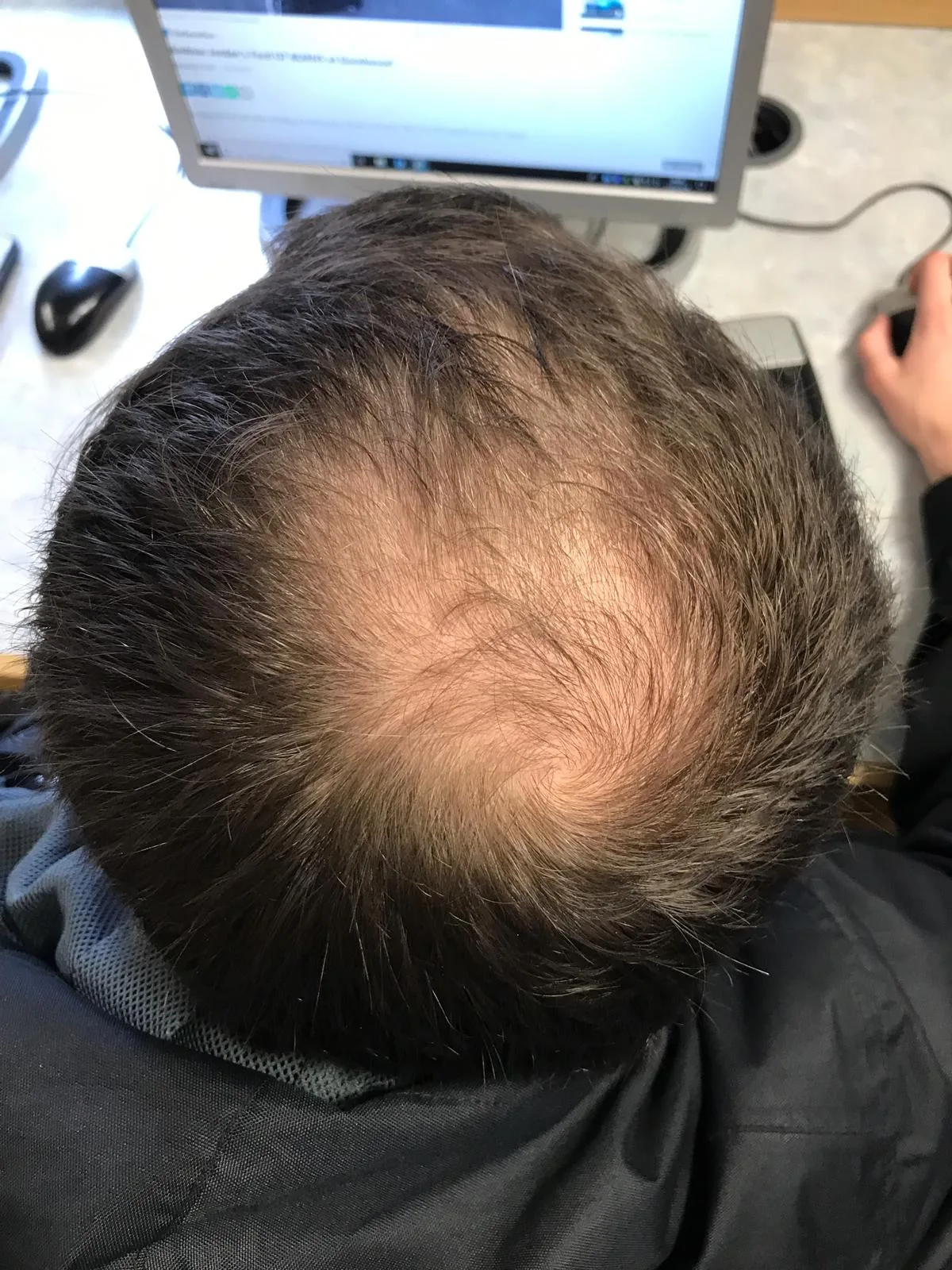
Let me explain why this comparison matters. Hair transplantation moves existing follicles from your donor area to thinning areas. It can't create more hair than you already have, it can only redistribute it. For patients with extensive Norwood 5, 6, or 7 hair loss, the donor reserve simply isn't sufficient to produce convincing coverage. A surgeon can give you something. They can't give you a full head of hair if you don't have one available to harvest.
Hair systems, what older terminology called toupées, wigs for men, or hair pieces, produce instant, complete coverage. Modern systems with ultra-thin lace bases and individually ventilated hair are remarkably natural. When properly fitted and styled, the result is genuinely indistinguishable from native hair to a casual observer. You can have a full head of dense hair next week. With transplantation, you wait 12 months to see the result, and the result is limited by your donor reserve.
The cost comparison is interesting and often surprising. A good hair transplant for moderate loss runs £6,000 to 18,000 depending on location. That's typically a one-time cost, but in younger patients with ongoing progression, additional procedures are often needed within 5 to 10 years. A premium hair system costs £800 to 2,000 initially and £100 to 250 per month for maintenance (replacement units every 4 to 9 months, monthly tape or adhesive renewal, regular trimming). Over 10 years, both options end up in roughly similar total cost ranges, with hair systems slightly cheaper in many comparisons.
The lifestyle considerations are real on both sides. Transplantation requires no ongoing maintenance specific to the procedure, you wash, style, and treat your hair normally. Hair systems require attention: re-bonding every few weeks, swimming and water exposure require planning, hot weather increases adhesive challenges, and you need a trusted stylist who works with systems. For some patients, the maintenance is comfortable routine. For others, it's a constant constraint.
Where hair systems are clearly better: - Extensive hair loss (Norwood 5+) where donor reserves can't support natural coverage - Patients who want instant results rather than 12-month wait - Patients who want a full hair look that exceeds their natural density - Patients who might want to change appearance flexibly (some users have multiple systems) - Patients who can't afford or aren't surgical candidates for transplantation
Where hair transplantation is clearly better: - Moderate hair loss (Norwood 2-4) with adequate donor reserves - Patients who specifically want "their own" hair growing - Active lifestyles where system maintenance is problematic - Patients who travel frequently and can't access regular system services - Patients who want to maintain very short hairstyles
The honest middle ground that gets too little attention: many patients would actually be best served by combining approaches. Hair transplantation to restore a natural frontal hairline and visible parting, hair system to add density to the crown and back where transplant alone is insufficient. This combination produces results that neither approach alone matches, and several specialist clinics now offer this as a deliberate strategy.
The reason this combination is rare in mainstream discussion comes back to industry dynamics. Hair transplant surgeons rarely recommend hair systems because they're not in that business. Hair system businesses rarely recommend transplantation for the same reason. The patient ends up caught between sales pitches rather than getting independent advice about what would actually look best given their situation.
If you're at the decision point, here's what I'd suggest: get consultations from both kinds of providers, ask each what they think the other approach would offer, and pay attention to whether they engage seriously with the other option or dismiss it. The provider who can articulate when their own approach isn't the best choice is the provider worth trusting.
Discussion (4)
AnonymousDad
5 months ago
This is the conversation I needed when I was researching options 8 years ago. Ended up with a transplant that was technically successful but cosmetically disappointing given my Norwood 6 starting point.
James_NW3
5 months ago
I went with a hair system at 31. Best decision I made. No anxiety about surgery, instant results, and the maintenance has become second nature. Wish someone had presented this as a serious option in my dermatology consultations.
Rachel K.
5 months ago
The combination approach is something I'd love to see covered in more depth. My partner did transplant for hairline and a topper for crown coverage, works beautifully.
Daniel R.
5 months ago
The financial calculator over 10 years was eye-opening. I'd assumed transplant was strictly more expensive but the maintenance economics balance out more than I expected.
Join the discussion
Free account. Read, like, save, and comment on every article.