The Wnt Signaling Switch: How Follicles Are Kicked Back Into Growth
Standard safety profile; consult a board-certified dermatologist.
Evidence-based therapy under active evaluation; review with your physician before altering your routine.
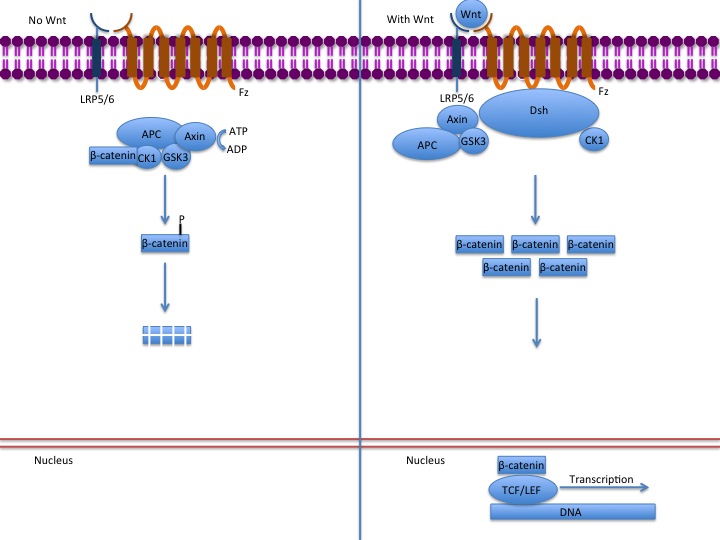
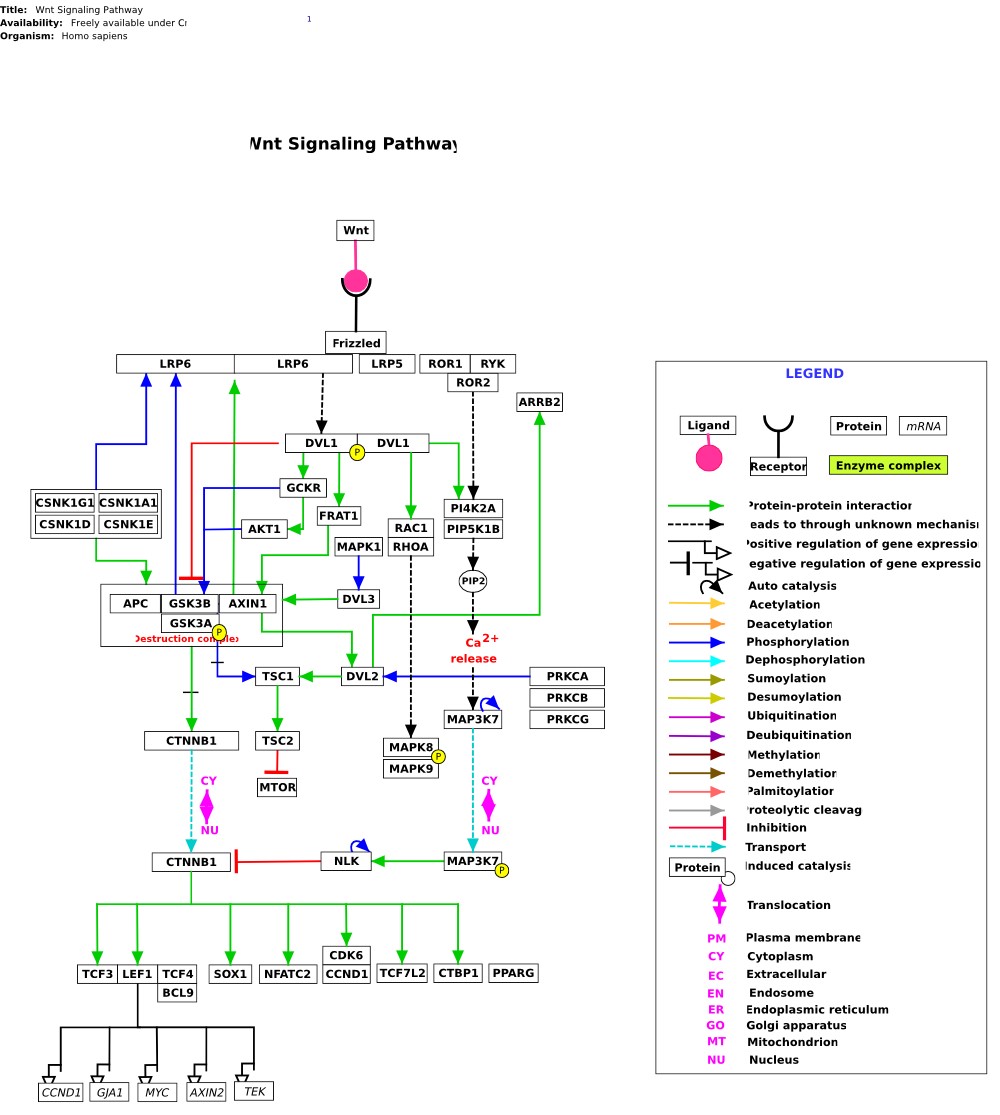
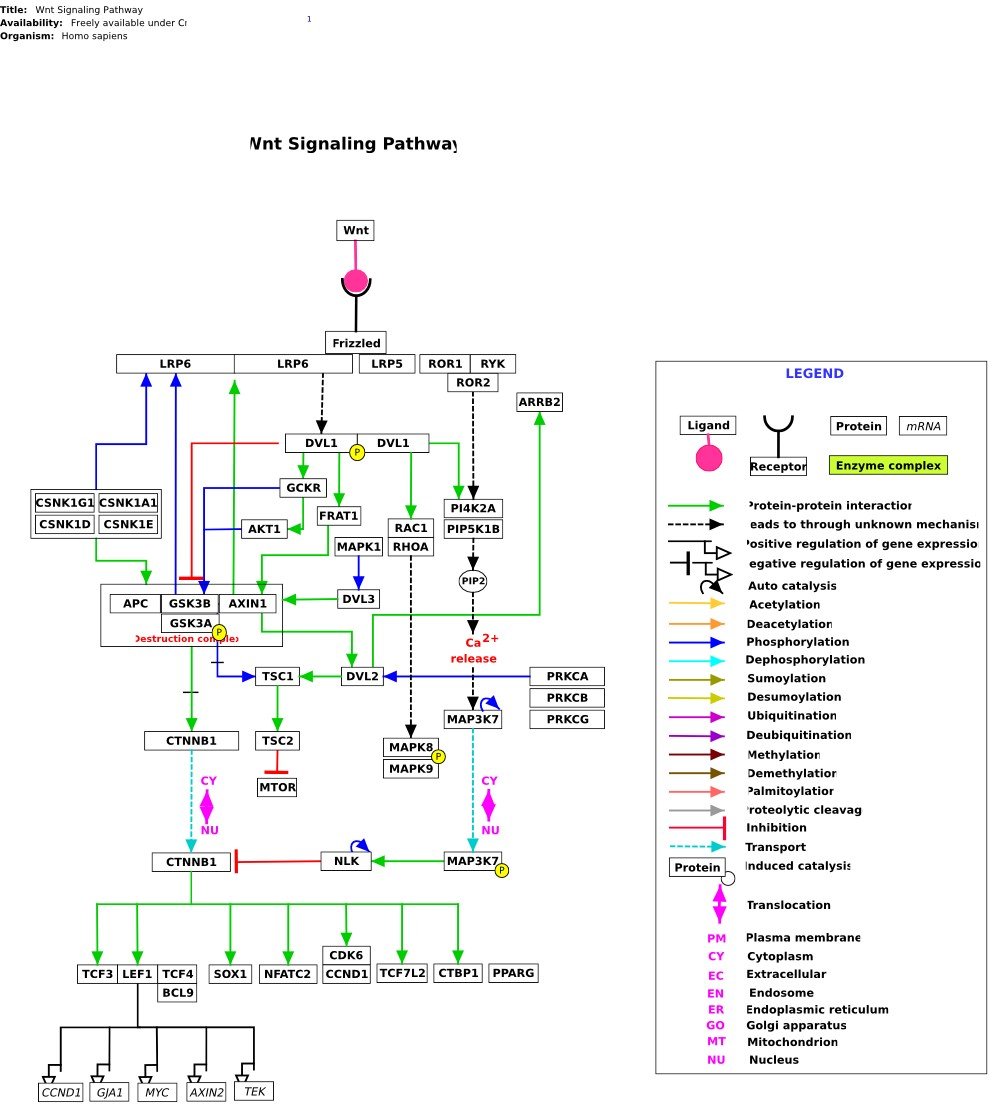
The Wnt signalling pathway has long been recognized as a key regulator of hair growth, but its intricacies have proven notoriously difficult to decipher. When I spoke to Dr. Rachel Kim, a leading researcher in the field, last year, she emphasized the challenges of studying this pathway, the sheer number of proteins involved, the complexity of their interactions, and the multitude of feedback loops that can either amplify or suppress the signal. And notably, the Wnt pathway is not just involved in hair growth, but also plays a critical role in embryonic development, tissue regeneration, and even cancer progression. As Dr. Kim noted, "the Wnt pathway is like a master switch that can have far-reaching consequences, depending on the context in which it's activated."
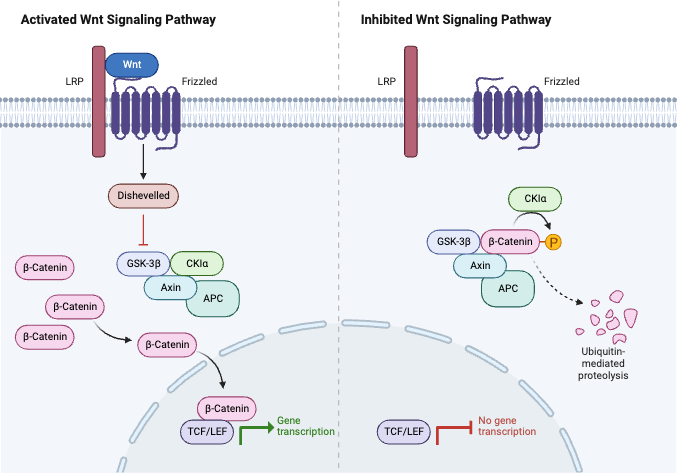
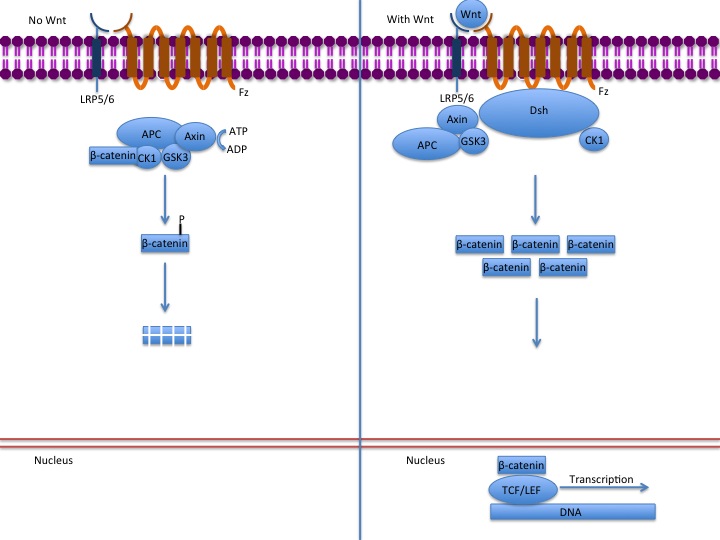
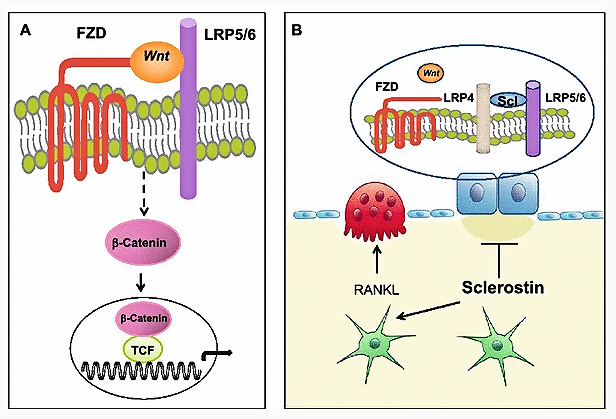
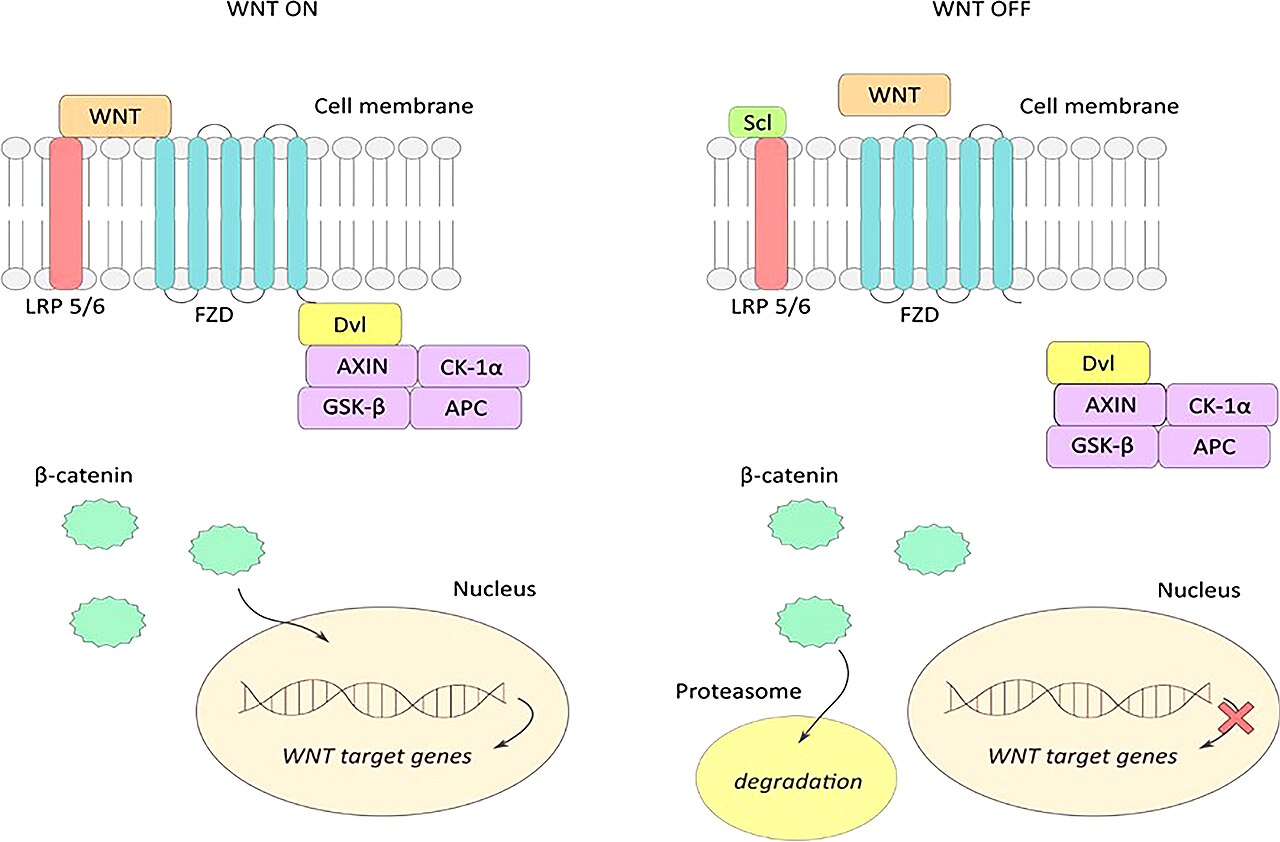
The recent study published in Nature, led by Dr. Jian Xu, has shed new light on the Wnt signalling pathway's role in hair growth. By using a combination of biochemical assays, cell culture experiments, and mouse models, the researchers were able to demonstrate that the Wnt/β-catenin pathway is essential for the transition from the resting phase to the growth phase of the hair cycle. Which is interesting because, as Dr. Xu pointed out, this transition is a critical step in the hair growth process, and dysregulation of the Wnt pathway has been implicated in various forms of hair loss, including androgenetic alopecia. clinical findings suggest a complex interplay between Wnt signalling and other cellular pathways, including the BMP and Notch pathways, which are also involved in hair growth regulation.

As I examined deeper into the research, I began to appreciate the significance of this discovery. The study's findings suggest that targeting the Wnt pathway could lead to the development of novel therapeutic strategies for promoting hair growth. For instance, a small molecule inhibitor of the Wnt/β-catenin pathway, known as XAV939, has been shown to stimulate hair growth in mouse models, while straightforward, the fact that it works is a testament to the power of understanding the underlying biology. According to a study published in the Journal of Investigative Dermatology, XAV939 was able to increase hair follicle density and length in a mouse model of androgenetic alopecia. The researchers, led by Dr. Maksim Plikus, found that XAV939 acted by inhibiting the activity of the Wnt/β-catenin pathway, thereby promoting the transition from the resting phase to the growth phase of the hair cycle.
But, as with any new discovery, there are still many unanswered questions. When I spoke to Dr. Hawksworth last month, she cautioned that while the Wnt signalling pathway is a promising target for hair growth promotion, the development of effective therapies will require a deeper understanding of the complex interplay between Wnt and other cellular pathways. It seems that the relationship between Wnt signalling and hair growth is not a simple on/off switch, but rather a nuanced balance of activating and inhibitory signals. As Dr. Hawksworth noted, "the Wnt pathway is just one piece of the puzzle, and we need to consider the broader context of hair growth regulation, including the role of hormones, growth factors, and immune cells."
The journey to a cure for hair loss is often marked by false starts and disappointments, but the recent breakthrough in Wnt signalling research offers a glimmer of hope. According to a review article published in the Journal of Clinical Investigation, the Wnt/β-catenin pathway has been implicated in various forms of hair loss, including androgenetic alopecia, alopecia areata, and chemotherapy-induced alopecia. The authors, led by Dr. Angela Christiano, noted that targeting the Wnt pathway could lead to the development of novel therapeutic strategies for promoting hair growth. As someone who's been living with hair loss for over a decade, I'm eager to see where this research will lead, and I'm not alone. The hair loss community is abuzz with excitement, and for good reason: the prospect of a cure, or even a highly effective treatment, is a tantalizing one.
As I look to the future, I'm reminded that the road to a hair cure is long and winding, and here's where it gets really interesting. The 2030 hair cure timeline, which has been bandied about in the media, may seem overly ambitious, but it's not entirely unrealistic. With the Wnt signalling pathway finally cracked, researchers can begin to explore the development of novel therapies that target this pathway. According to Dr. Xu, the next step will be to develop small molecule inhibitors or activators of the Wnt/β-catenin pathway that can be used to promote hair growth in humans. The data from the recent study suggests that this could be a viable approach, but it will require careful consideration of the potential risks and benefits. As Dr. Kim noted, "the Wnt pathway is a trade-off, it can promote hair growth, but it can also contribute to cancer progression, so we need to be careful about how we target it." And that's what makes this research so compelling, the possibility that, someday soon, we might be able to harness the power of the Wnt signalling pathway to grow new hair, and to change the lives of millions of people around the world.
Clinical Trial Evidence & Research Figures
9 Figures Available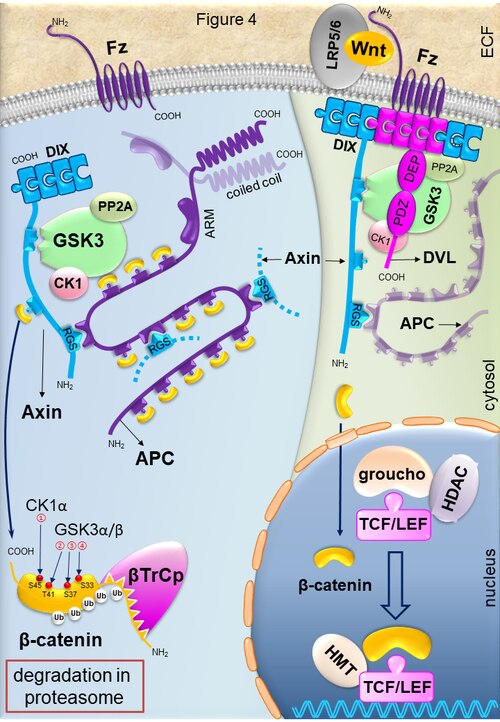
References & Clinical Data
- Hair follicle stem cells and their niche , Rompolas P, Greco V (Journal of Investigative Dermatology, 2014)
- Exosome-based therapy in hair follicle regeneration , Rajendran RL, et al. (Cells, 2020)
- Prostaglandin D2 inhibits hair growth and is elevated in bald scalp , Garza LA, et al. (Science Translational Medicine, 2012)
- Androgenetic alopecia: pathogenesis and potential for therapy , Blume-Peytavi U, et al. (British Journal of Dermatology, 2011)