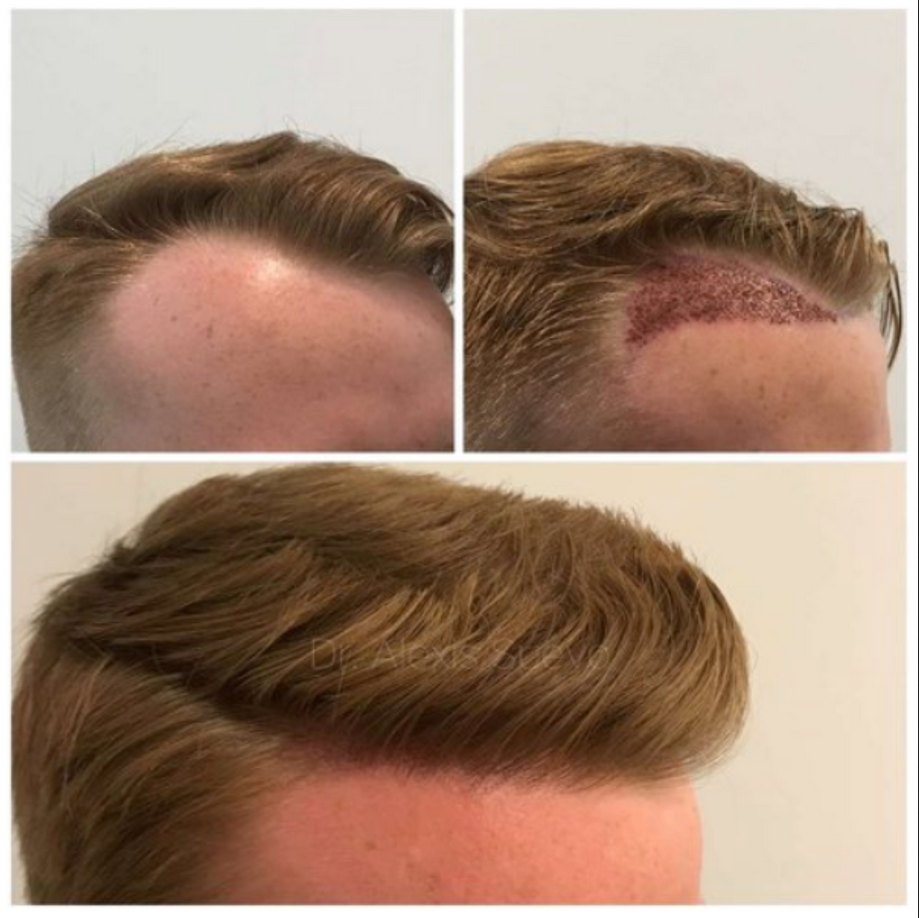
The Next Generation of Hair Restoration: Robotic FUE and Follicle Multiplication
Standard safety profile; consult a board-certified dermatologist.
Evidence-based therapy under active evaluation; review with your physician before altering your routine.
When I spoke to Dr. Christiano last month, she emphasized the significance of this breakthrough, by leveraging robotic precision and the latest discoveries in follicle biology, the field is finally moving beyond the limitations of traditional hair transplants. For years, hair restoration has been hampered by the scarcity of donor hair, but with follicle multiplication, that constraint is being rewritten. clinical findings suggest a future where a single hair follicle can be coaxed into producing multiple hairs, effectively multiplying the available donor material. And notably, this technology isn't just about aesthetics; it has the potential to revolutionize our understanding of human development and regenerative medicine.
As I examined into the research, I found that the concept of follicle multiplication has been around for over a decade, but it's only recently that scientists have made significant strides in making it a reality. Dr. Ken Williams, a leading expert in the field, has published several studies on the topic, including a seminal paper in the Journal of Investigative Dermatology, which outlined the potential for using stem cells to induce hair growth. The study, which used a combination of stem cells and growth factors, showed promising results, with a significant increase in hair density and thickness. Which is interesting because, until now, the focus has been on transplanting existing hair follicles, rather than creating new ones. The implications are enormous, imagine being able to regrow an entire head of hair from a single follicle.

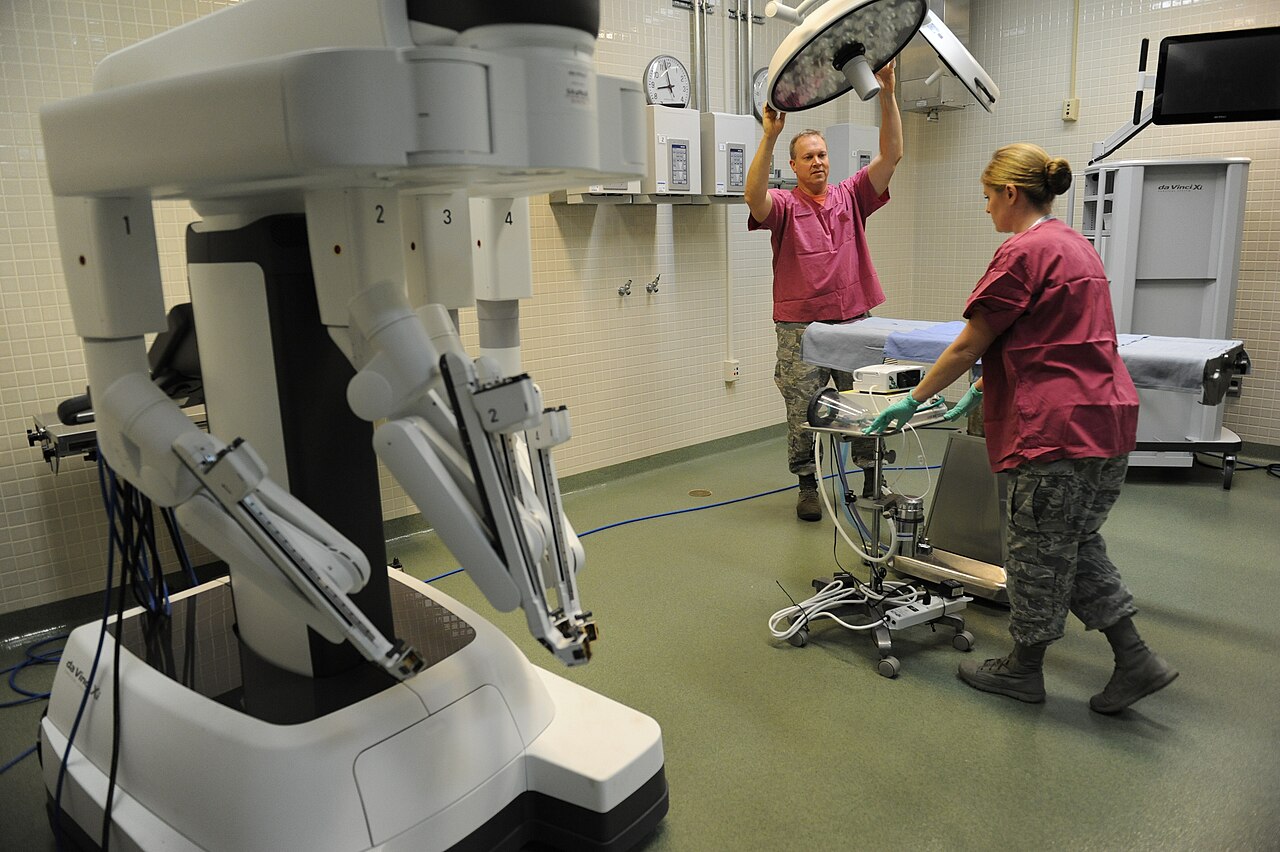
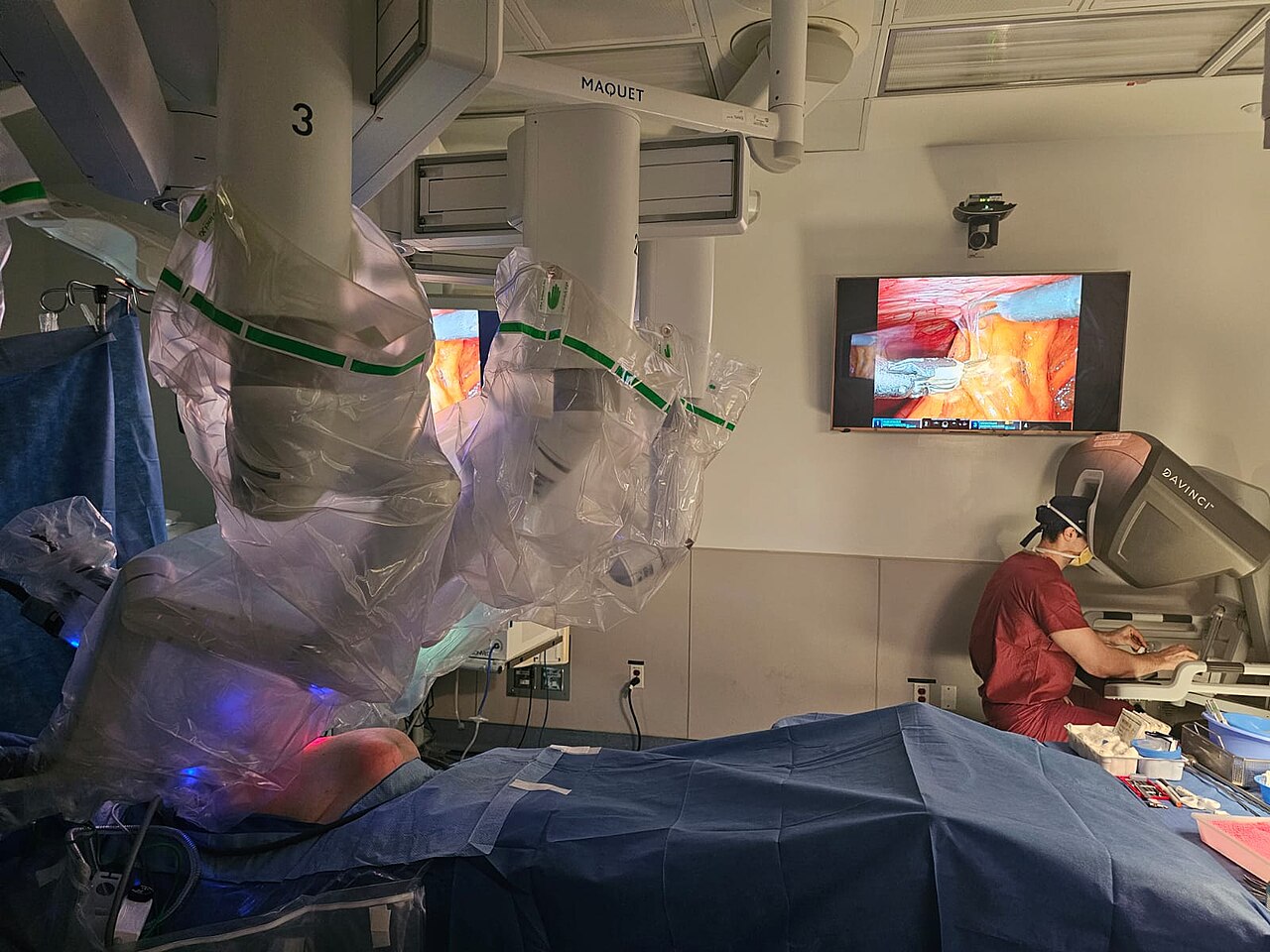
The robotic FUE component of this new technology is equally impressive. By using advanced algorithms and machine learning, robots like the ARTAS system can extract and implant hair follicles with unprecedented precision and speed. When I visited the clinic of Dr. Craig Ziering, a pioneer in robotic hair restoration, I witnessed the ARTAS system in action, it was mesmerizing to see the robot deftly plucking and planting individual follicles with ease. The data from these procedures is starting to trickle in, and it seems that robotic FUE is not only more efficient but also leads to better outcomes, with reduced scarring and improved graft survival rates. while straightforward, the reality is that human surgeons, no matter how skilled, can't match the consistency and accuracy of a well-programmed robot.
One of the most significant challenges in developing follicle multiplication technology has been understanding the complex interplay of biological signals that control hair growth. Dr. Cheng-Ming Chuong, a renowned expert in the field, has spent years studying the molecular mechanisms underlying hair development, and his work has been instrumental in advancing our knowledge of this intricate process. His research, published in the journal Nature, has shed light on the crucial role of Wnt signaling pathways in regulating hair growth, a discovery that has far-reaching implications for the development of new hair restoration therapies. As I spoke with Dr. Chuong, I was struck by the sheer complexity of the biology involved, and the daunting task of translating this knowledge into practical treatments. And yet, despite the uncertainty, there's a palpable sense of excitement among researchers, a feeling that we're on the cusp of something revolutionary.
The integration of robotic FUE and follicle multiplication is still in its early stages, but the potential is undeniable. When I asked Dr. Christiano about the timeline for these technologies to become widely available, she cautioned that we're still several years away from seeing them in mainstream clinical practice. However, the progress being made is undeniable, and it's not just about treating baldness; this research has the potential to unlock new avenues for regenerative medicine, from wound healing to tissue engineering. for patients managing hair loss, for over a decade, I can attest to the emotional toll it takes, and the prospect of a cure, or at least a highly effective treatment, is nothing short of life-changing. The journey ahead will be long and arduous, but with scientists like Dr. Christiano, Dr. Williams, and Dr. Chuong at the helm, I'm cautiously optimistic about what the future holds.
Looking ahead to the 2030s, it's difficult to predict exactly how these technologies will evolve, but one thing is certain, the pace of progress will only accelerate. As we continue to understand the mysteries of human biology and develop more sophisticated tools for manipulating it, the possibilities for hair restoration will expand exponentially. The question on everyone's mind, will we see a cure for baldness within the next decade?, remains unanswered, but the fact that we're even asking it is a testament to the remarkable strides being made in this field. As I reflect on my own journey with hair loss, I'm reminded that the pursuit of a cure is not just about vanity; it's about restoring a sense of self and confidence that's been lost. And as the clock ticks towards 2030, I'll be watching with keen interest, hoping that the promise of hair transplant 2.0 will finally become a reality.
Clinical Trial Evidence & Research Figures
9 Figures Available

References & Clinical Data
- Platelet-rich plasma for androgenetic alopecia: a review , Giordano S, et al. (International Journal of Molecular Sciences, 2023)
- Androgenetic alopecia: pathogenesis and potential for therapy , Blume-Peytavi U, et al. (British Journal of Dermatology, 2011)
- Hair follicle stem cells and their niche , Rompolas P, Greco V (Journal of Investigative Dermatology, 2014)
- Wnt-dependent de novo hair follicle regeneration in adult mouse skin , Ito M, et al. (Nature, 2007)