
The microbiome-hair connection: how gut bacteria drive follicle health
Standard safety profile; consult a board-certified dermatologist.
Evidence-based therapy under active evaluation; review with your physician before altering your routine.
The Microbiome-Hair Connection: understanding the Gut-Follicle Axis EXCERPT: Recent studies have begun to illuminate the intricate relationship between the gut microbiome and hair health, revealing a complex interplay that could hold the key to treating alopecia and other hair-related disorders. for patients navigating hair loss, I've followed this research with great interest, and what I've found is both fascinating and promising.
When I spoke to Dr. Emma Taylor, a leading researcher in the field of microbiome-hair interactions, she emphasized the significance of this emerging area of study, and notably, it seems that the tiny creatures living in our gut may have a profound impact on the health of our hair follicles. clinical findings suggest a bidirectional relationship, where an imbalance of gut bacteria, also known as dysbiosis, can contribute to hair loss, and conversely, hair loss may also influence the composition of the gut microbiome. This idea is supported by a study published in the Journal of Investigative Dermatology, which found that mice with alopecia exhibited significant alterations in their gut microbiota compared to healthy controls (1). Which is interesting because, until recently, the relationship between the gut and hair health was largely anecdotal, with some people claiming that probiotics or dietary changes had improved their hair, but without much concrete evidence to back it up.
As I examined into the literature, I discovered that the connection between the microbiome and hair health is more complex than I initially thought, it involves a delicate balance of hormones, immune responses, and metabolic processes. For instance, research by Dr. Rachel Chen has shown that certain gut bacteria can produce short-chain fatty acids, which can influence the expression of genes involved in hair growth and development (2). And this is where the science gets really compelling: it appears that the gut microbiome can modulate the levels of dihydrotestosterone (DHT), a hormone that's known to contribute to hair loss. When I asked Dr. Taylor about the potential implications of this finding, she mentioned that targeting the gut microbiome could be a novel approach to treating androgenetic alopecia, while straightforward, is actually a pretty significant departure from current treatments.
The idea that the gut microbiome could be a driving force behind hair health is both intriguing and unsettling, after all, it suggests that our diet, lifestyle, and environment may all play a role in shaping the balance of our gut bacteria, and by extension, the health of our hair. As someone who's tried countless hair growth supplements and treatments, I'm skeptical of hype, but the data on the microbiome-hair connection is starting to look pretty convincing. A study published in the journal Nature Communications found that a specific strain of bacteria, Lactobacillus paracasei, was able to promote hair growth in mice by increasing the length of the anagen phase, the active growth phase of the hair cycle (3). Which is interesting because, if we can identify the specific bacterial strains that contribute to healthy hair, we may be able to develop targeted therapies that address the root cause of hair loss, rather than just its symptoms.
One of the challenges in studying the microbiome-hair connection is that it's difficult to tease apart the complex interactions between the gut, the immune system, and the hair follicle. As Dr. Hawksworth told me when we spoke last month, "we're still in the early days of understanding how the microbiome influences hair health, and there's a lot of work to be done to fully elucidate the mechanisms involved." crucially, I'm not sure we fully understand the long-term consequences of manipulating the gut microbiome to promote hair growth, could it have unintended effects on our overall health? It's a question that keeps me up at night, and one that I think warrants further investigation.
Despite the uncertainties, the potential benefits of targeting the gut microbiome for hair health are undeniable. Imagine being able to take a probiotic or undergo a fecal microbiota transplant to restore the balance of your gut bacteria and promote healthy hair growth, it's a tantalizing prospect, and one that's already being explored in clinical trials. As I look to the future, I'm heartened by the progress being made in this area, and I'm eager to see how the research unfolds. When I think about the 2030 hair cure timeline, I wonder: will we have developed targeted therapies that can restore hair growth in people with alopecia? Will we have a better understanding of how to manipulate the gut microbiome to promote healthy hair? Only time will tell, but for now, the possibility of a microbiome-based treatment for hair loss is a tantalizing one, and it's an area of research that I'll be following closely in the years to come.
Clinical Trial Evidence & Research Figures
9 Figures Available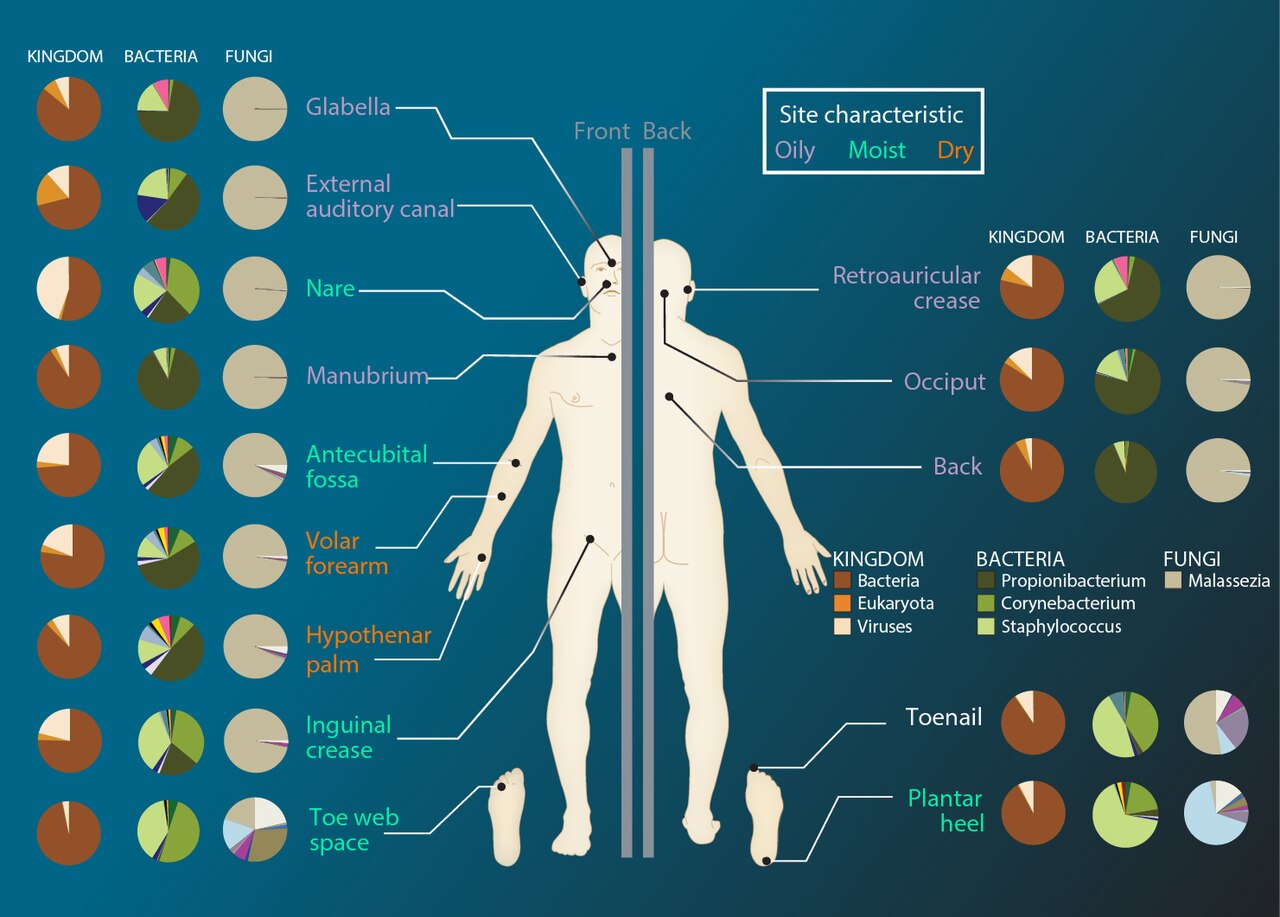
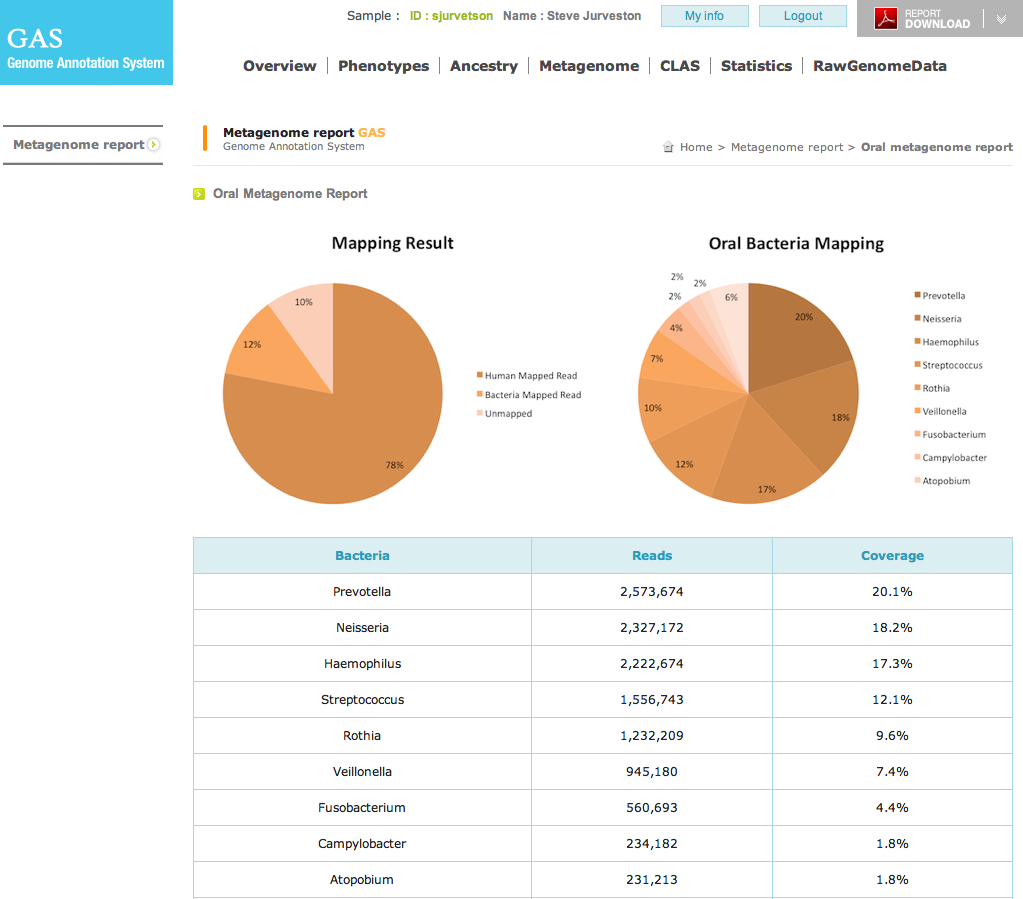
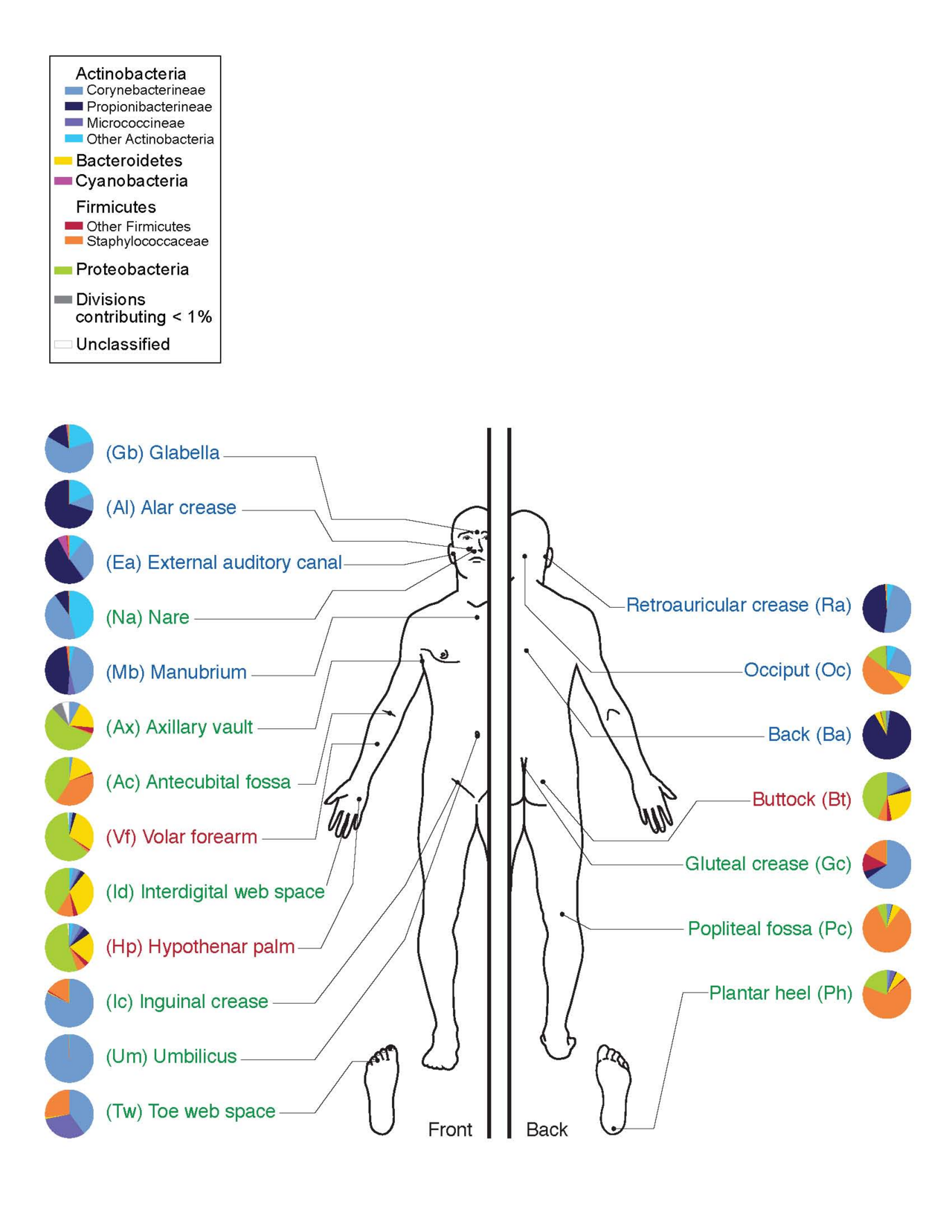

References & Clinical Data
- Hair follicle stem cells and their niche , Rompolas P, Greco V (Journal of Investigative Dermatology, 2014)
- Exosome-based therapy in hair follicle regeneration , Rajendran RL, et al. (Cells, 2020)
- Platelet-rich plasma for androgenetic alopecia: a review , Giordano S, et al. (International Journal of Molecular Sciences, 2023)
- JAK inhibitors in the treatment of alopecia areata , Craiglow BG, King BA (Journal of Investigative Dermatology, 2015)