
Telogen effluvium is the most common cause of hair loss worldwide after androgenetic alopecia, yet it has received a fraction of the research attention. It presents as diffuse shedding across the scalp rather than the patterned miniaturisation of androgenetic alopecia, typically triggered by a physiological stressor, major illness, significant weight loss, surgery, pregnancy, severe psychological stress, or nutritional deficiency. In most cases it resolves within 6 to 9 months as the stressor resolves and follicles return to anagen. But in a substantial subset of patients, estimated at 10–15% of telogen effluvium cases, the shedding becomes chronic, persisting for more than 6 months and sometimes years, without an identifiable ongoing trigger.
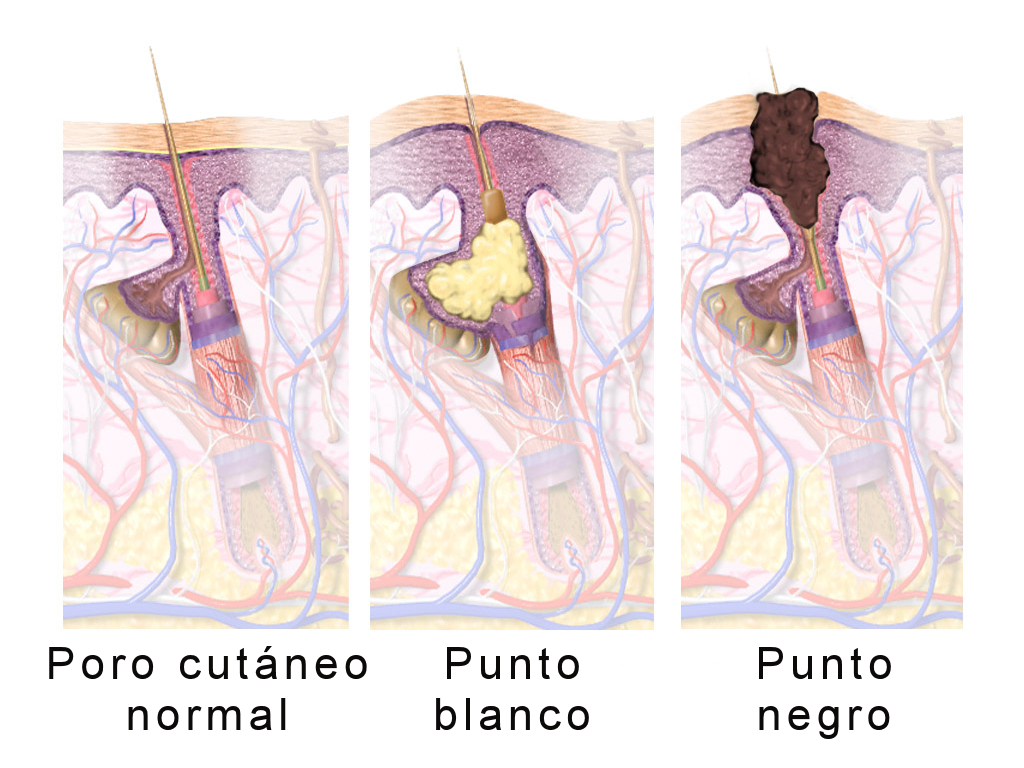
Chronic telogen effluvium has been poorly understood at a molecular level. The initial event, mass follicle entry into telogen following a systemic stress, is mediated by elevated cortisol, prolactin, and various inflammatory cytokines that collectively push follicles out of anagen phase. What drives chronicity has been unclear. A 2025 study published in Science Advances proposes a mechanism centred on interleukin-33 (IL-33), a cytokine of the IL-1 superfamily with established roles in type 2 immunity and mast cell activation.
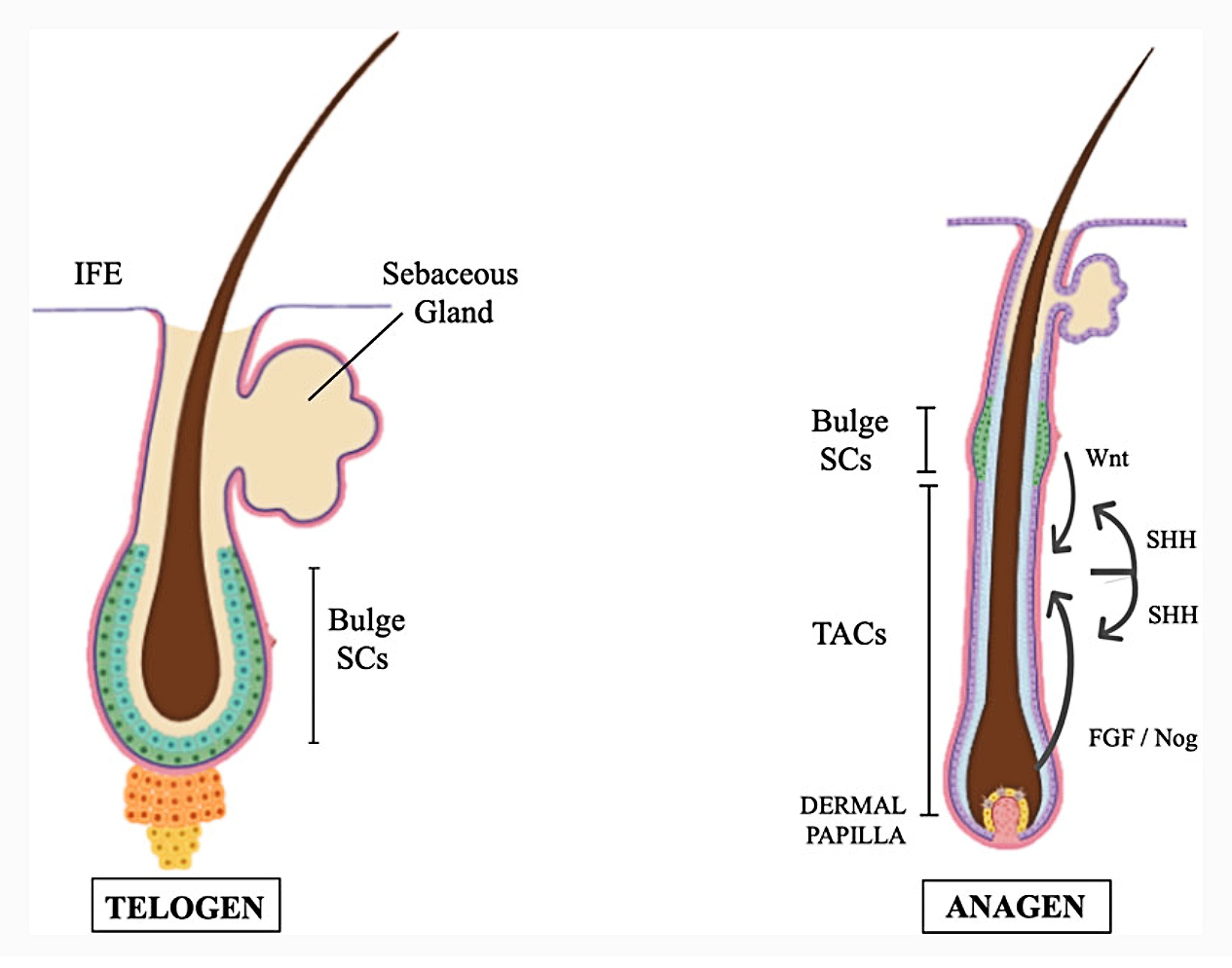
The research team at University College London performed transcriptomic analysis of scalp biopsy samples from 28 patients with chronic telogen effluvium (shedding persisting more than 12 months) and 22 healthy controls with the same age and sex distribution. The chronic telogen effluvium samples showed significantly elevated expression of IL-33 and its receptor ST2 in perifollicular tissue, the connective tissue surrounding the follicle. IL-33 was localised primarily to mast cells and perifollicular fibroblasts, and its expression correlated with the density of activated mast cells around follicles. Mast cell activation markers, tryptase, histamine, and pro-inflammatory prostaglandins including PGD2, were also elevated.
The picture that emerges is a potential vicious cycle: an initial systemic stress triggers follicle entry into telogen and local IL-33 release. IL-33 activates mast cells in the perifollicular space. Activated mast cells release prostaglandin D2 (PGD2), which is a potent inhibitor of hair follicle anagen re-entry, a mechanism separately documented in androgenetic alopecia by the Cotsarelis group at Penn. PGD2 in perifollicular tissue keeps follicles in telogen or causes cycling follicles to abort anagen re-entry prematurely, perpetuating the shedding despite resolution of the original trigger.
If this mechanism is confirmed, the therapeutic implications are several. IL-33 receptor antagonists (anti-ST2 antibodies are in development for asthma and allergy), mast cell stabilisers, or PGD2 inhibitors (including the PGD2 receptor antagonist setipiprant, which has already been trialled in androgenetic alopecia) could in theory break the chronic telogen effluvium cycle. None of these drugs have been tested in chronic telogen effluvium yet, the mechanism is too new. But the research provides a mechanistic framework that makes therapeutic targeting coherent for the first time.
For patients suffering from chronic telogen effluvium, the practical advice while the science catches up: address any identified nutritional deficiencies (ferritin below 70 ng/ml is associated with worsened telogen shedding; adequate thyroid function is essential), consider a trial of topical minoxidil which has documented anagen-promotion effects, and consult a dermatologist about ruling out underlying inflammatory or autoimmune causes that might be amenable to specific treatment.


Discussion (2)
Rachel K.
3 months ago
I've had what I'm convinced is chronic TE for 14 months after a severe illness. The PGD2 connection is interesting, I've read about setipiprant being tried in androgenetic alopecia. Hadn't considered it might have relevance here.
AnonymousDad
3 months ago
My wife has been dealing with this for two years after a difficult pregnancy. The ferritin point is worth emphasising, her GP repeatedly told her ferritin 'within normal range' meant it wasn't contributing. Hair-specific ferritin guidance is different to general anaemia thresholds.
Join the discussion
Free account. Read, like, save, and comment on every article.