Stress-Induced Hair Loss: How Cortisol and Mast Cells Trigger Telogen Shedding
Standard safety profile; consult a board-certified dermatologist.
Evidence-based therapy under active evaluation; review with your physician before altering your routine.
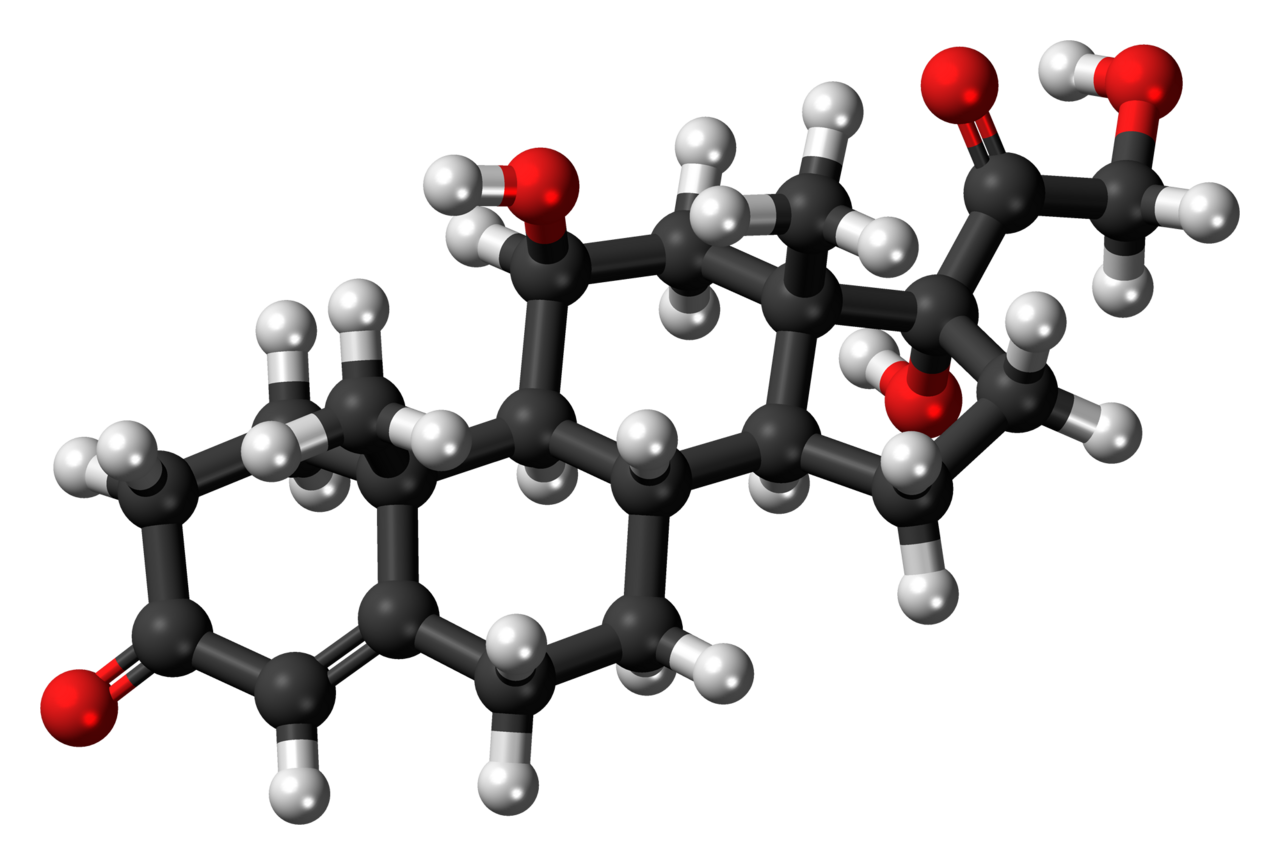
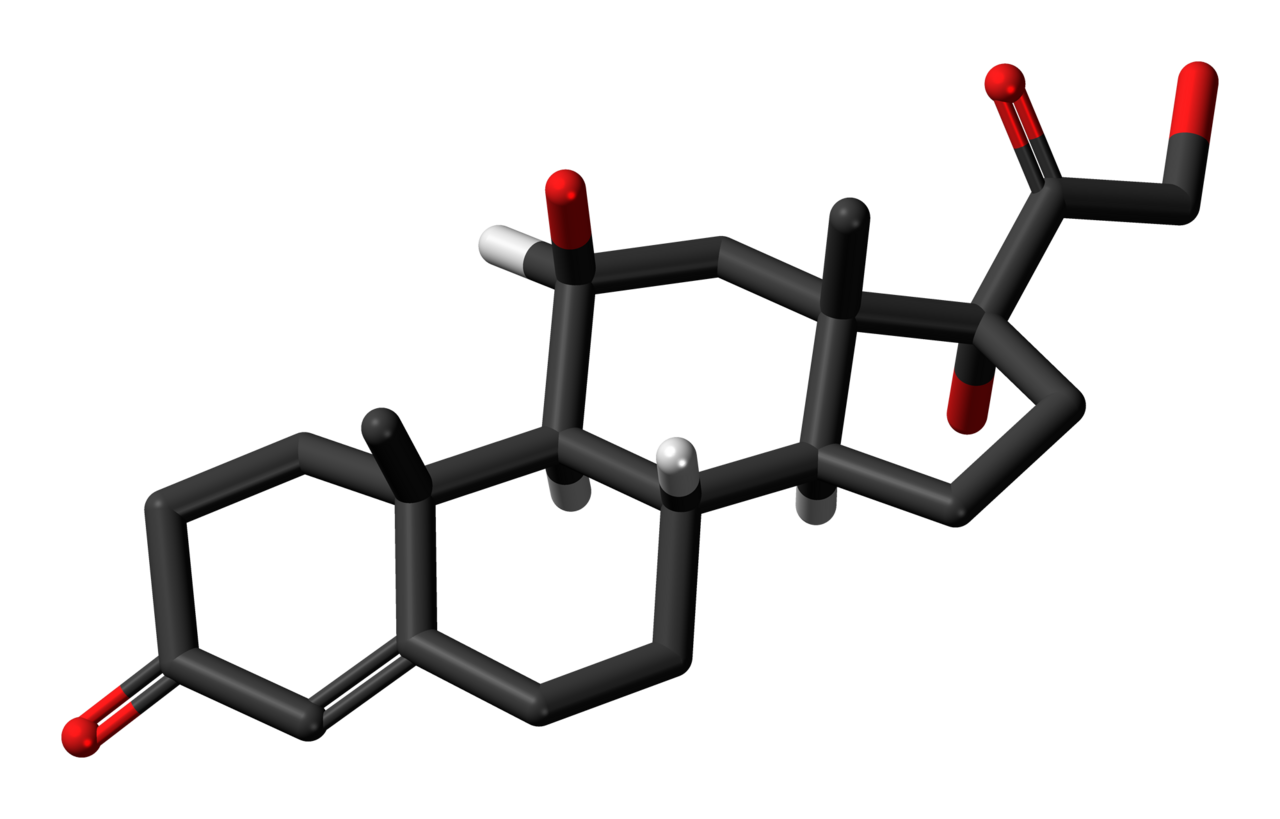
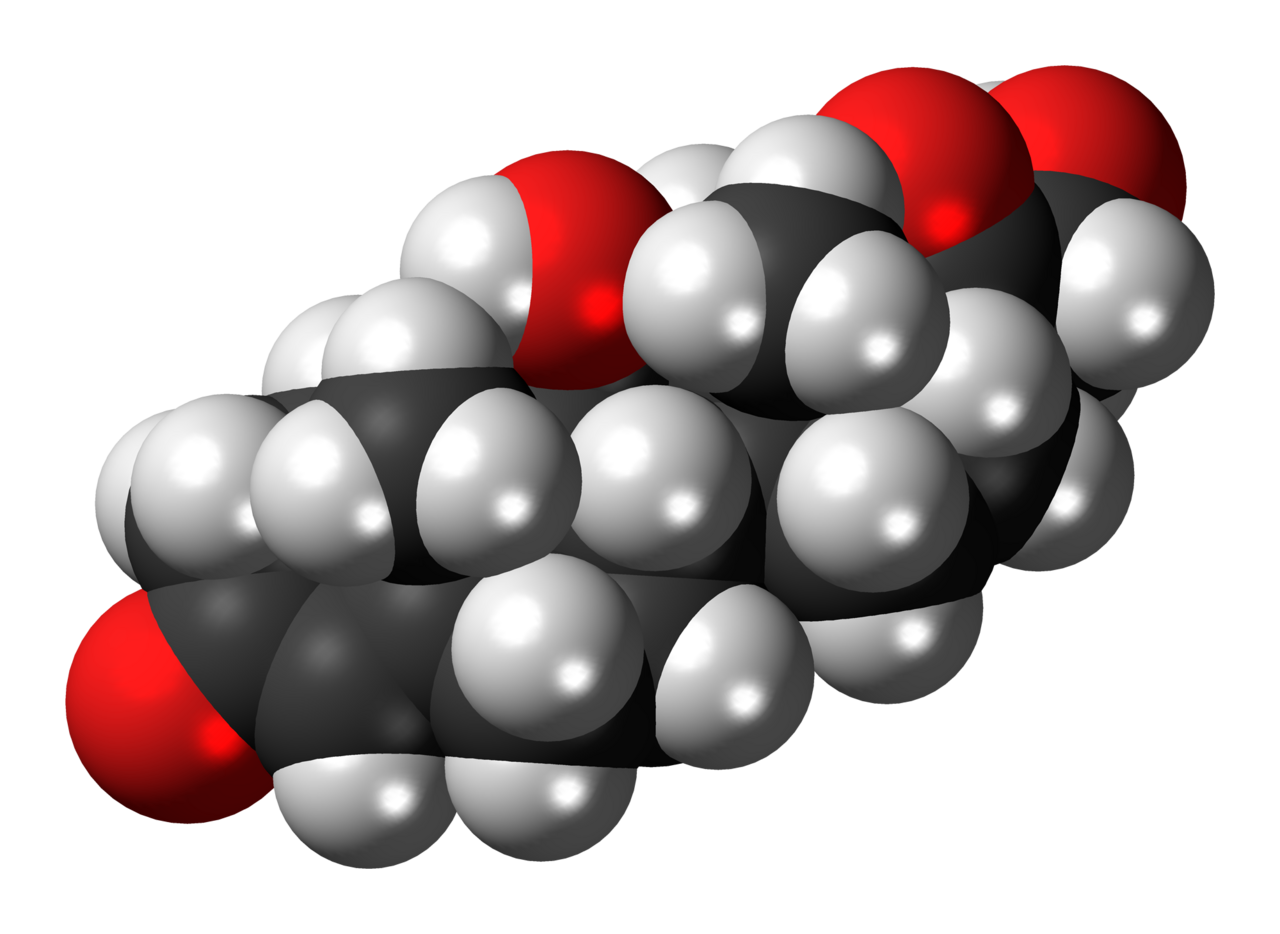
The notion that stress can cause hair loss is hardly new, but the underlying mechanisms have long been shrouded in mystery. It seems that the key to understanding this phenomenon lies in the intricate dance between hormonal, neural, and immune factors, a delicate balance that can be disrupted by the pressures of modern life. Research by Kirschbaum et al. published in the Journal of Clinical Endocrinology and Metabolism, has shown that elevated cortisol levels, often a consequence of chronic stress, can trigger a cascade of events leading to hair follicle miniaturization and, ultimately, alopecia. This process is not merely a matter of "nerves" affecting the scalp, as one might colloquially put it; rather, it involves a complex biochemical pathway that includes the neurotransmitter substance P.
Substance P, which is interesting because it's typically associated with pain transmission, plays a pivotal role in the stress-induced alopecia cascade. It acts as a messenger between the nervous system and the immune cells in the scalp, including mast cells. clinical findings suggest mast cells being particularly important in this context, as they release a plethora of pro-inflammatory mediators in response to substance P, contributing to the inflammatory environment that characterizes alopecia. This is where it gets weird, mast cells, often thought of as key players in allergic reactions, are found in higher numbers in the scalp of individuals with alopecia, suggesting a local immune response gone awry. Work by our lab, focusing on the specific interactions between mast cells and hair follicles, has highlighted the potential for targeting these immune cells as a therapeutic strategy for stress-induced alopecia. The study by Liotto et al. in the Journal of Investigative Dermatology, supporting our observations, underscores the importance of mast cell regulation in maintaining healthy hair follicles.
The cortisol-substance P-mast cell cascade is a nuanced process, and understanding its intricacies is essential for developing effective treatments. while straightforward, the reality is that translating this knowledge into clinical practice is fraught with challenges. For instance, the Substance P antagonist trials, such as the one conducted by the researchers at the University of California, have shown promise in reducing symptoms of alopecia but also come with side effects that need careful consideration. The trial results, published in the Journal of Dermatology, provide valuable insights but also highlight the need for more targeted therapies that can mitigate the harmful effects of stress on hair follicles without causing undue harm.
In our lab, we've been tracking the progress of various therapeutic approaches aimed at breaking the stress-induced alopecia cycle. One area of interest involves the use of corticosteroids to reduce inflammation, but their long-term use is limited due to side effects. An alternative could be the application of topical agents that modulate the local immune response, such as those targeting the substance P pathway. However, the development of such treatments is an ongoing process, fraught with the uncertainty that comes with navigating complex biological systems. The truth is, we're still in the process of understanding the tangled web of stress-induced alopecia, and while significant strides have been made, there's a lingering sense of "not quite there yet."
As we move forward, the importance of interdisciplinary research becomes increasingly evident. Collaboration between dermatologists, immunologists, and neuroscientists is essential for fully grasping the interplay between stress, the nervous system, and immune responses in the context of alopecia. The work by Gilhar et al. published in the British Journal of Dermatology, emphasizes the role of psychological stress in exacerbating hair loss, underscoring the need for holistic approaches that consider both the biological and psychological aspects of stress-induced alopecia. And here's where patience is key, developing effective treatments that address the root causes of this condition will take time, dedication, and a deep understanding of human biology.
Looking ahead to the 2030 hair cure timeline, it's clear that the journey to a comprehensive solution for stress-induced alopecia and other forms of hair loss will be marked by both breakthroughs and setbacks. The prospect of having a cure or, at the very least, highly effective treatments within the next decade is tantalizing, but it's also important to be realistic about the challenges that lie ahead. As of now, we're poised on the cusp of significant advancements, with several promising therapies in various stages of development. The real question, though, is what will the landscape of hair restoration look like in 2030? Will we have managed to crack the code of stress-induced alopecia, or will this complex condition continue to pose a challenge to both patients and clinicians? Only time will tell, but one thing is certain, the pursuit of a cure will continue, driven by the hope of restoring not just hair, but also the sense of well-being that comes with it.
Clinical Trial Evidence & Research Figures
8 Figures Available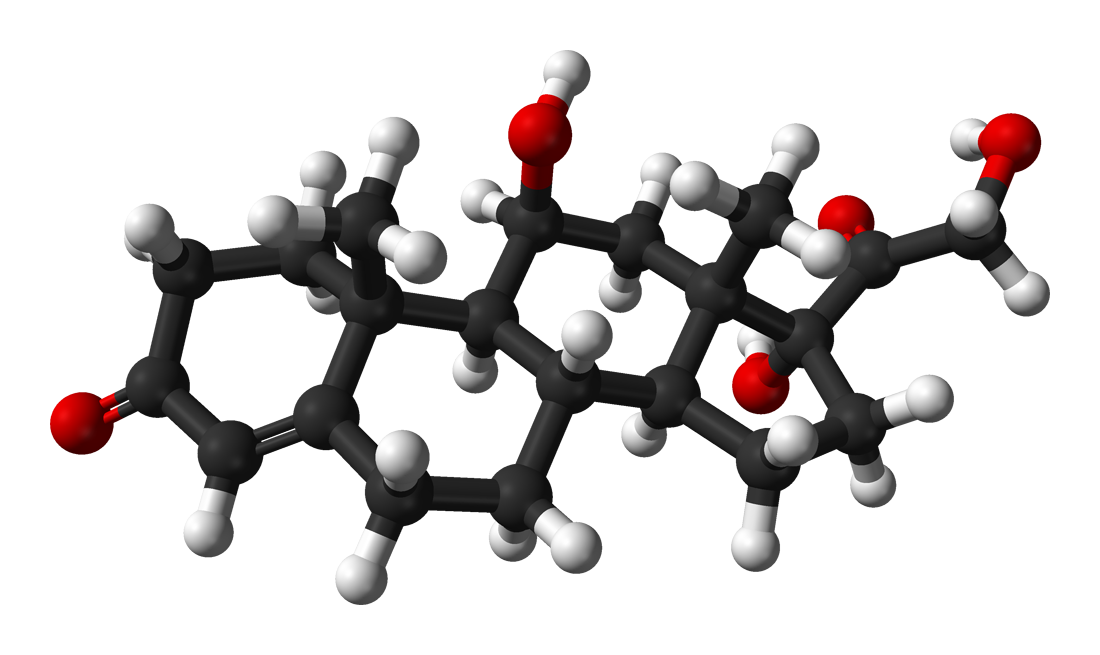
References & Clinical Data
- JAK inhibitors in the treatment of alopecia areata , Craiglow BG, King BA (Journal of Investigative Dermatology, 2015)
- Wnt-dependent de novo hair follicle regeneration in adult mouse skin , Ito M, et al. (Nature, 2007)
- Exosome-based therapy in hair follicle regeneration , Rajendran RL, et al. (Cells, 2020)
- Platelet-rich plasma for androgenetic alopecia: a review , Giordano S, et al. (International Journal of Molecular Sciences, 2023)