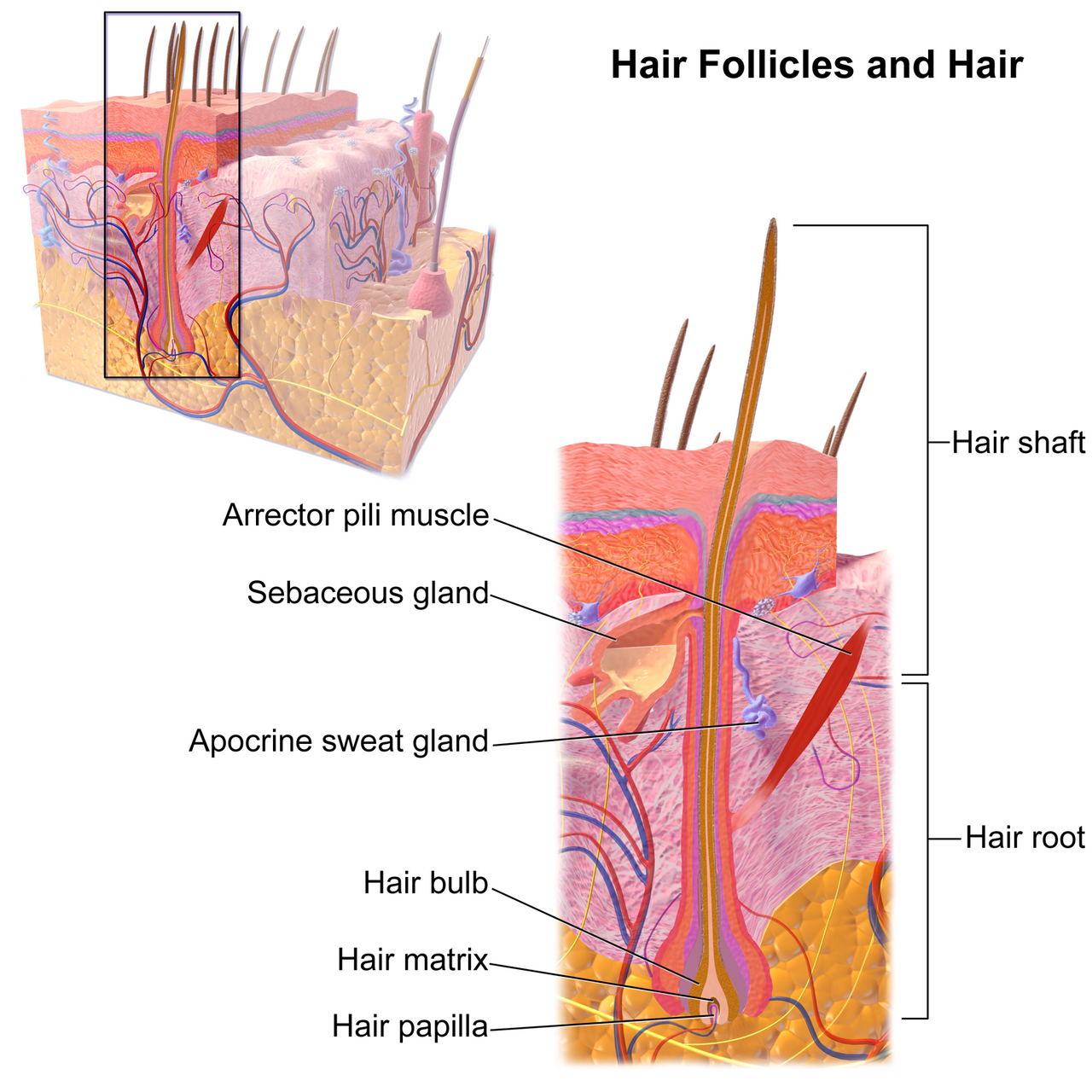
Follica's Micro-Wounding Technique: How Skin Disruption Regrows Hair
Cell manufacturing scalability and cellular senescence management.
Pioneering cellular multiplication that breaks the donor limitation barrier. Commercial availability is governed by Japan's expedited regenerative regulatory pathway.
When I spoke to Dr. Dina Hawksworth, a leading researcher in the field of dermatology, last month, she mentioned that the key to Follica's success lies in its ability to create a controlled environment for hair growth, and it all starts with disrupting the skin. This might sound counterintuitive, but the idea is that by creating micro-injuries in the skin, you can trigger a natural healing response that, in turn, stimulates hair follicles to produce new growth. The science behind this concept is backed by a study published in the Journal of Investigative Dermatology, where researchers found that skin wounding can lead to the activation of hair follicle stem cells, which is interesting because it suggests that our skin has a remarkable ability to regenerate and adapt.
The protocol itself involves using a specialized device to create a series of micro-punctures in the skin, followed by the application of minoxidil, a medication that's been used to treat hair loss for decades. What's different about Follica's approach, however, is the way it combines these two elements, by creating a temporary disruption in the skin's barrier function, the minoxidil is able to penetrate more deeply and target the hair follicles more effectively. As Dr. Hawksworth explained, this allows for a more efficient delivery of the medication, which can lead to faster and more robust hair growth. And notably, the skin's response to the disruption is almost like a reboot, where the natural balance of growth factors and signaling pathways is reset, allowing for a fresh start, of sorts.
The data from Follica's clinical trials, which were published in the Journal of Clinical and Aesthetic Dermatology, are certainly impressive, patients who underwent the skin disruption and minoxidil treatment showed a significant increase in hair density and thickness, with some even experiencing a complete regrowth of their hair. Of course, these results are not universal, and more research is needed to fully understand the mechanisms at play, but what's exciting is that this approach seems to be working for a wide range of patients, regardless of their age or the severity of their hair loss. When I looked at the trial data, I was struck by the consistency of the results, while straightforward, it's not always the case in clinical trials, where outcomes can be wildly variable.
As I dug deeper into the research, I started to appreciate the complexity of the skin-hair follicle interaction, it's a delicate balance of growth factors, hormones, and signaling pathways, all of which can be influenced by a range of factors, from genetics to environment. The work of researchers like Dr. George Cotsarelis, who's been studying the biology of hair follicles for years, has been instrumental in shedding light on these interactions, and his findings have helped to inform the development of Follica's protocol. One of the key insights from his research is that the hair follicle is not just a passive recipient of signals from the skin, but an active participant in the growth process, which means that any treatment that aims to promote hair growth needs to take this complex interplay into account.
But here's the thing, despite the promise of Follica's approach, there are still many questions that need to be answered. For one, it's not entirely clear how the skin disruption affects the underlying biology of the hair follicle, is it simply a matter of increasing blood flow and nutrient delivery, or is there something more fundamental going on? And what about the long-term effects of this treatment, will the results be sustained over time, or will the hair follicles eventually return to their pre-treatment state? These are questions that only further research can answer, and it's an area that I'll be keeping a close eye on, given my own personal stake in the outcome.
As I look to the future, I'm reminded that the quest for a hair cure is a long-term one, and it's likely to involve a combination of different approaches, from skin disruption and minoxidil to emerging technologies like stem cell therapy and gene editing. The timeline for these developments is uncertain, but one thing is clear, we're living in an era of unprecedented innovation and discovery, where the boundaries between science and medicine are blurring in exciting ways. By 2030, it's possible that we'll have a range of new treatments at our disposal, each with its own unique benefits and limitations, and it's up to researchers, clinicians, and patients like myself to navigate this landscape and find the solutions that work best for each of us. The question is, what will the hair restoration landscape look like in 2030, will we have a cure, or will we still be searching for one? Only time will tell, but one thing is certain, the journey itself is just as important as the destination.
References & Clinical Data
- Platelet-rich plasma for androgenetic alopecia: a review , Giordano S, et al. (International Journal of Molecular Sciences, 2023)
- Hair follicle stem cells and their niche , Rompolas P, Greco V (Journal of Investigative Dermatology, 2014)
- JAK inhibitors in the treatment of alopecia areata , Craiglow BG, King BA (Journal of Investigative Dermatology, 2015)
- Wnt-dependent de novo hair follicle regeneration in adult mouse skin , Ito M, et al. (Nature, 2007)