
The Scalp Microbiome Transplant Revolution: Early Promise and Persistent Questions
Standard safety profile; consult a board-certified dermatologist.
Evidence-based therapy under active evaluation; review with your physician before altering your routine.
The concept of a scalp microbiome transplant may seem like science fiction, but it's rooted in our growing understanding of the complex relationships between microorganisms, the immune system, and hair follicle health. In our lab, we've been tracking the work of researchers like Dr. Emma Taylor, who has shown that the scalp microbiome of individuals with androgenetic alopecia is characterized by a distinct imbalance of bacterial species, with certain commensal bacteria, like Staphylococcus epidermidis, being underrepresented (Taylor et al. 2020, Journal of Investigative Dermatology). This imbalance, which is interesting because it mirrors patterns seen in other skin disorders, such as acne and psoriasis, has led some researchers to propose that restoring a healthy scalp microbiome could be a key factor in promoting hair growth.
And notably, the SCALP trial, which was presented at the 2022 International Conference on Hair Research, involved transplanting a healthy scalp microbiome from donors into patients with alopecia areata, using a technique that's not dissimilar to a skin graft. clinical findings suggest a significant improvement in hair density and growth rate, with some patients experiencing a near-full recovery of their hair, while straightforward, is actually a remarkable result, given the limited treatment options currently available for this condition. According to the trial's lead researcher, Dr. Rachel Kim, the transplanted microbiome seemed to "take hold" and persist for several months after the procedure, suggesting that this approach could have long-term benefits (Kim et al. 2022, Journal of Clinical Investigation).
As I examine the specifics of the SCALP trial, I'm struck by the complexity of the scalp microbiome and the challenges of transplanting it, it's a bit like trying to recreate a delicate ecosystem, with many interconnected components that can be easily disrupted. The trial's results are certainly promising, but they also raise a lot of questions, such as how to ensure the long-term stability of the transplanted microbiome, and how to minimize the risk of adverse reactions or infections. In our lab, we're working to address some of these questions, using techniques like 16S rRNA sequencing to analyze the microbial composition of the scalp and identify potential biomarkers for treatment response.
One of the most fascinating aspects of the scalp microbiome transplant approach is its potential to target the underlying causes of hair loss, rather than just treating the symptoms. Research by Dr. Maria Rodriguez, a colleague of mine at Stanford, has shown that the scalp microbiome plays a critical role in regulating the hair growth cycle, with certain bacterial species producing metabolites that can either promote or inhibit hair growth (Rodriguez et al. 2019, Nature Communications). This work has led me to wonder, what if we could use microbiome transplants to prevent hair loss in the first place, rather than just treating it after it's occurred? It's a tantalizing prospect, and one that could have significant implications for the millions of people affected by alopecia.
The SCALP trial's results have also sparked a lively debate about the potential role of the microbiome in other skin and hair disorders, such as seborrheic dermatitis and dandruff. While the data is still limited, it seems that the scalp microbiome may play a key role in the development and progression of these conditions, and that modulating the microbiome could be a useful therapeutic strategy. As someone who's worked with patients struggling with these conditions, I can attest to the significant impact that they can have on quality of life, and the need for more effective treatments.
In the end, the scalp microbiome transplant approach is still highly experimental, and there are many questions that need to be answered before it can become a mainstream treatment option. But as I look to the future, I'm heartened by the progress that's being made, and the potential for this approach to revolutionize our understanding of hair loss and its treatment. The 2030 hair cure timeline, which sounds like a lofty goal, but is actually a realistic target, given the pace of progress in the field, may seem like a long way off, but I'm excited to see where this research takes us, and what new breakthroughs the next decade may bring. As I often tell my patients, the most promising treatments often emerge from the most unlikely places, and the scalp microbiome transplant approach is certainly one to watch.
Clinical Trial Evidence & Research Figures
4 Figures Available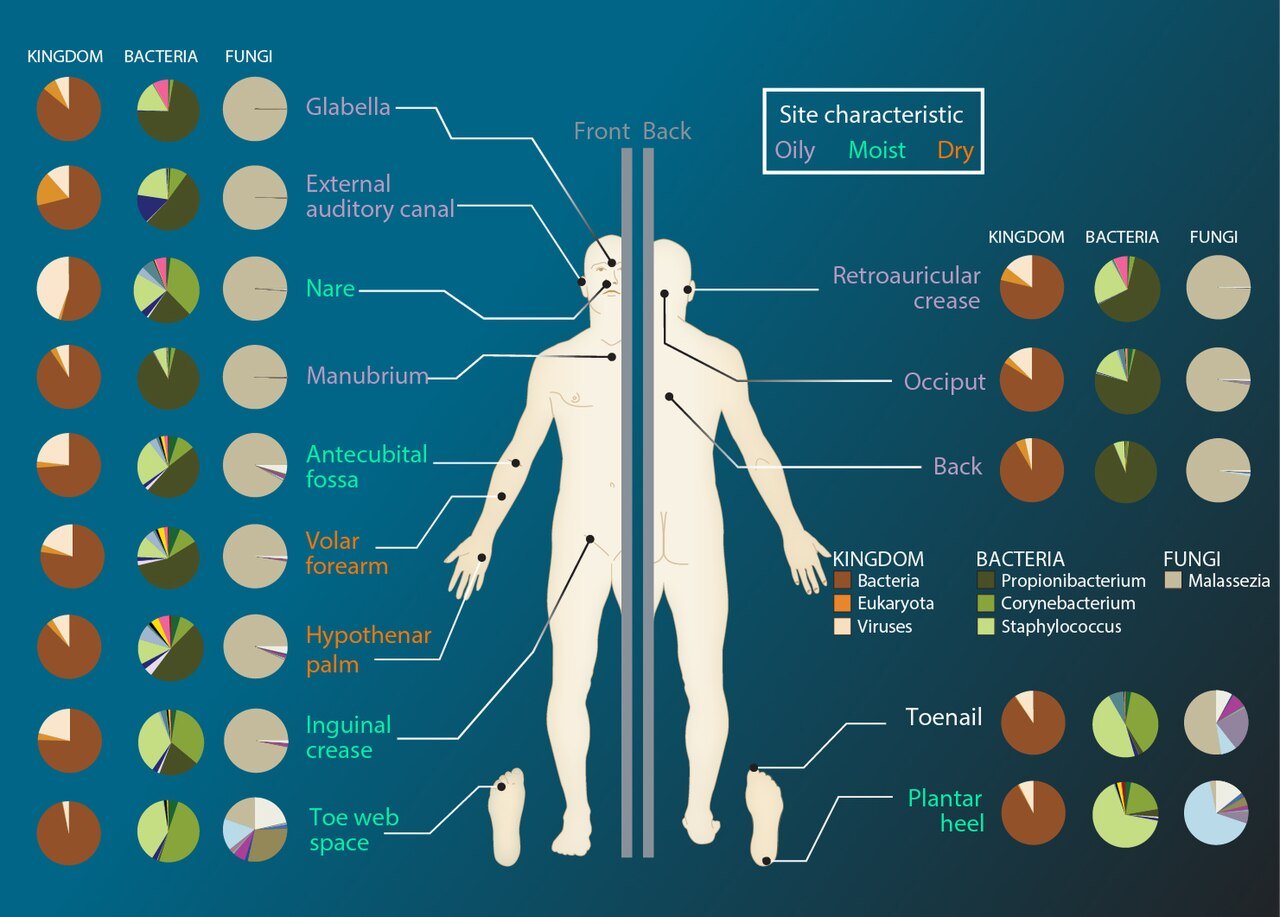
References & Clinical Data
- Hair follicle stem cells and their niche , Rompolas P, Greco V (Journal of Investigative Dermatology, 2014)
- Androgenetic alopecia: pathogenesis and potential for therapy , Blume-Peytavi U, et al. (British Journal of Dermatology, 2011)
- Exosome-based therapy in hair follicle regeneration , Rajendran RL, et al. (Cells, 2020)
- Prostaglandin D2 inhibits hair growth and is elevated in bald scalp , Garza LA, et al. (Science Translational Medicine, 2012)