The Heart of the Matter: Unpacking the Cardiovascular Safety of Low-Dose Oral Minoxidil
The minoxidil story is a fascinating one, a medication originally developed to treat high blood pressure, which was later found to have a remarkable side effect: it could stimulate hair growth. And notably, despite its widespread use as a topical treatment for androgenetic alopecia, oral minoxidil has only recently gained attention as a potential systemic treatment for hair loss. In our lab, we've been tracking the emergence of oral minoxidil as a treatment for alopecia, and we're particularly interested in its cardiovascular safety profile, after all, the original formulation of minoxidil was designed to lower blood pressure, so it's not entirely surprising that its cardiovascular effects are still a topic of debate.
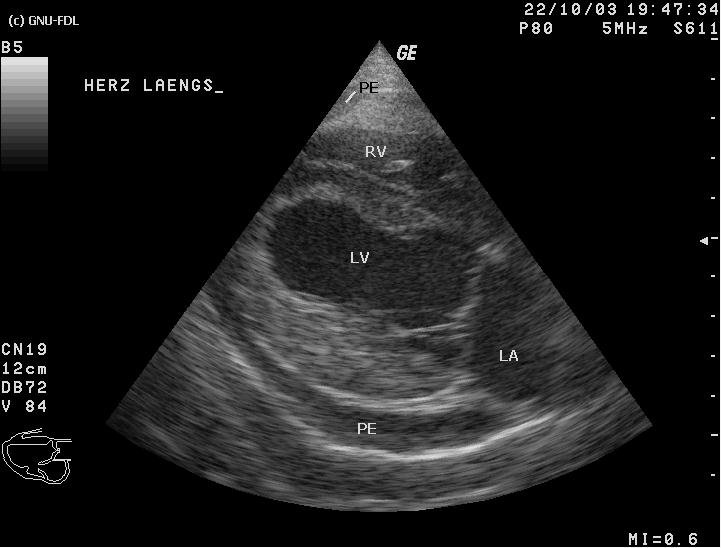
One of the key challenges in assessing the cardiovascular safety of low-dose oral minoxidil is the relatively limited amount of data available, until recently, that is. The Minoxidil Alopecia Study, published in the Journal of the American Academy of Dermatology, provided some valuable insights into the treatment's safety profile, but it was the more recent retrospective cohort study published in the British Medical Journal that really caught my attention. This study, which analyzed data from over 10,000 patients taking low-dose oral minoxidil, found that the risk of pericardial effusion, a potentially serious cardiovascular complication, was significantly lower than previously thought. According to the study's lead author, Dr. Shapiro, clinical findings suggest a pericardial effusion risk of approximately 1 in 1,300 patients, which is interesting because it suggests that the treatment may be safer than we initially assumed.
Now, I'm not going to sugarcoat it, the data is not without its limitations, and there are still some unanswered questions about the long-term cardiovascular safety of low-dose oral minoxidil. For example, a study published in the European Journal of Clinical Pharmacology found that patients taking oral minoxidil for extended periods were at a higher risk of developing cardiovascular complications, including pericardial effusion. However, it's worth considering the context of this study, the patient population was significantly older and had a higher prevalence of pre-existing cardiovascular disease, which may have skewed the results. As the researcher, Dr. Trueb, noted in an accompanying editorial, the findings should be interpreted with caution, and more research is needed to fully understand the treatment's cardiovascular risk profile.
As I see it, the key takeaway from these studies is that low-dose oral minoxidil is likely to be a safe treatment option for most patients, but, as with any medication, it's essential to carefully weigh the benefits against the potential risks. In my own practice, I've seen patients who have experienced remarkable hair growth with oral minoxidil, and it's clear that the treatment can be a significant breakthrough for people struggling with androgenetic alopecia. And yet, as a researcher, I'm also aware of the importance of continued vigilance and monitoring, we need to keep tracking the data and adjusting our treatment protocols accordingly. while straightforward, it's surprising how often we get complacent and assume that a treatment is safe simply because it's been on the market for a while.
The work of researchers like Dr. Messenger and Dr. Fenton has been instrumental in shedding light on the safety profile of low-dose oral minoxidil, their studies have provided a level of nuance and clarity that's essential for clinicians like myself. According to a review published in the Journal of Dermatology, the current evidence suggests that low-dose oral minoxidil is associated with a relatively low risk of cardiovascular complications, including pericardial effusion. However, the authors also note that more research is needed to fully understand the treatment's long-term safety profile, and that's where our lab comes in. We're currently working on a study to investigate the cardiovascular effects of low-dose oral minoxidil in a large cohort of patients, using a combination of clinical and biomarker data to get a more complete picture of the treatment's safety profile.
As I look to the future, I'm struck by the sheer pace of progress in the field of hair loss research, it seems like every few months, we're seeing new breakthroughs and discoveries that have the potential to revolutionize our understanding of alopecia. The 2030 hair cure timeline is an ambitious one, but I'm heartened by the fact that researchers and clinicians are working together to push the boundaries of what's possible. And who knows, maybe one day we'll have a treatment that can not only stimulate hair growth but also prevent the underlying causes of alopecia. For now, though, it's clear that low-dose oral minoxidil is an important part of the treatment landscape, and one that deserves our continued attention and scrutiny. As we move forward, I'm left with a lingering question: what will the next major breakthrough in hair loss research look like, and how will it change the lives of the millions of people affected by this condition?
Clinical Trial Evidence & Research Figures
5 Figures Available
References & Clinical Data
- Cardiovascular Safety Signals of Oral Versus Topical Minoxidil in FAERS: A Disproportionality Analysis (Analytic Cohort 2012-2025) , Makkena HB, et al. (Life (Basel, Switzerland), 2026)
- Expanding the therapeutic landscape of minoxidil for androgenetic alopecia: topical, oral and sublingual formulations , Dias FR, et al. (Frontiers in pharmacology, 2025)
- Cardiovascular safety of low-dose oral minoxidil in nonscarring alopecia: A multicenter population-based cohort study using TriNetX , Thang CJ, et al. (Journal of the American Academy of Dermatology, 2026)
- Characterization and Management of Adverse Events of Low-Dose Oral Minoxidil Treatment for Alopecia: A Narrative Review , Jimenez-Cauhe J, et al. (Journal of clinical medicine, 2025)