Can Reversing Biological Age Cure Hair Loss? Inside Japan's Unlimited Hair Germs and the Top 3 Cellular Anti-Aging Trials
Karyotypic stability, autologous immune compatibility, and controlled dermal integration.
Represents the ultimate curative pathway for donor-depleted patients. Human safety trials are underway with a projected commercial milestone toward 2030.
If you spend any time on social media, you have probably seen viral videos discussing cellular age reversal, epigenetic biological clocks, or sensational headlines claiming Japanese scientists have figured out how to grow unlimited human hair.
While social media videos often blow early laboratory experiments out of proportion, the actual clinical science happening right now behind those headlines is genuinely revolutionary. For the past century, medicine has treated male pattern baldness, skin wrinkles, and facial sagging as completely separate cosmetic problems caused by bad luck, testosterone, or gravity.
Today, leading scientists at institutions like Yokohama National University in Japan and the Babraham Institute in Cambridge are proving that hair loss and skin aging share the exact same biological driver: cellular aging. When you rewind the biological age of skin cells, they start producing thick, youthful collagen again. When you rewind the biological age of hair follicle stem cells, they stop miniaturizing and start growing strong, pigmented hair.
Here is a clear breakdown of what is actually happening in Japan, the science behind the viral age-reversal videos, and the top three human clinical trials rewriting what is possible for your hair and skin.
1. The Japan Breakthrough: Growing "Unlimited Hair" on Micro-Well Chips
The biggest limitation of every hair transplant performed today is donor supply. Surgeons can only move existing hair roots from the dense back of your head to the thinning top. If you have extensive thinning (Norwood 5, 6, or 7), you simply do not have enough donor follicles left to achieve full coverage. When your donor supply is gone, your options end.
In Japan, biomedical engineers led by Professor Junji Fukuda and Dr. Tatsuto Kageyama at Yokohama National University have tackled the supply problem at its biological root: manufacturing brand new hair follicles in a lab.
Previous attempts to clone hair failed because hair cells are notoriously social. When scientists cultured dermal papilla cells flat on plastic petri dishes, the cells lost their communication signals within days and stopped growing hair.
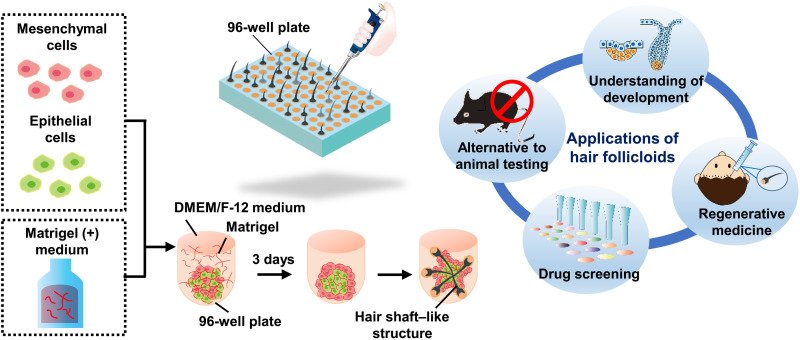
Fukuda's team solved this by designing custom silicone chips (made of oxygen-permeable polydimethylsiloxane) containing arrays of microscopic wells. When epithelial cells and dermal papilla cells are placed onto the chip, they naturally gravitate together and self-assemble into three-dimensional spheres called Hair Follicle Germs (HFGs).
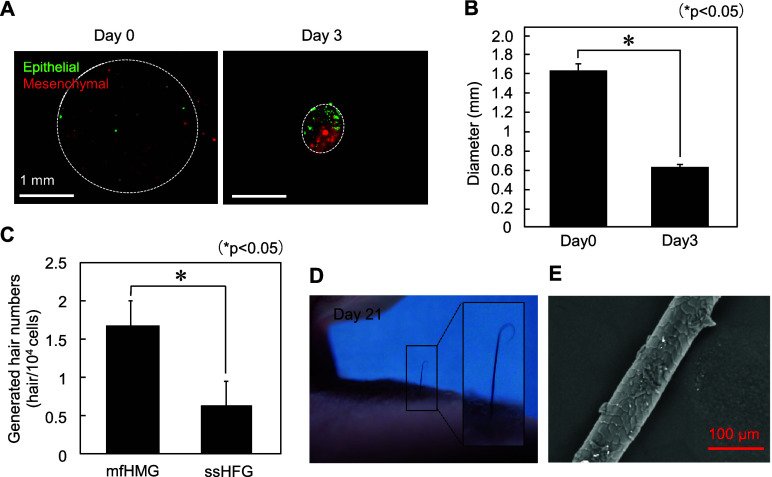
In their latest automated system, the Japanese team successfully manufactured over 5,000 viable hair follicle germs simultaneously on a single microfluidic chip. When transplanted, these lab-grown hair germs achieved a near-100 percent hair sprout rate. They grew mature, black-pigmented hair shafts with normal cuticle scales that naturally shed and regrew through regular cycles.
Why is this happening first in Japan? Japan's medical regulations include the Act on the Safety of Regenerative Medicine (ASRM), which allows cellular therapies to receive fast-track conditional approval once safety and early efficacy are demonstrated. This unique pathway has made Japan the global launchpad for commercial, scalable hair cloning.
2. The Viral Age-Reversal Reel Explained: How Epigenetic Clocks Rewind Hair and Skin
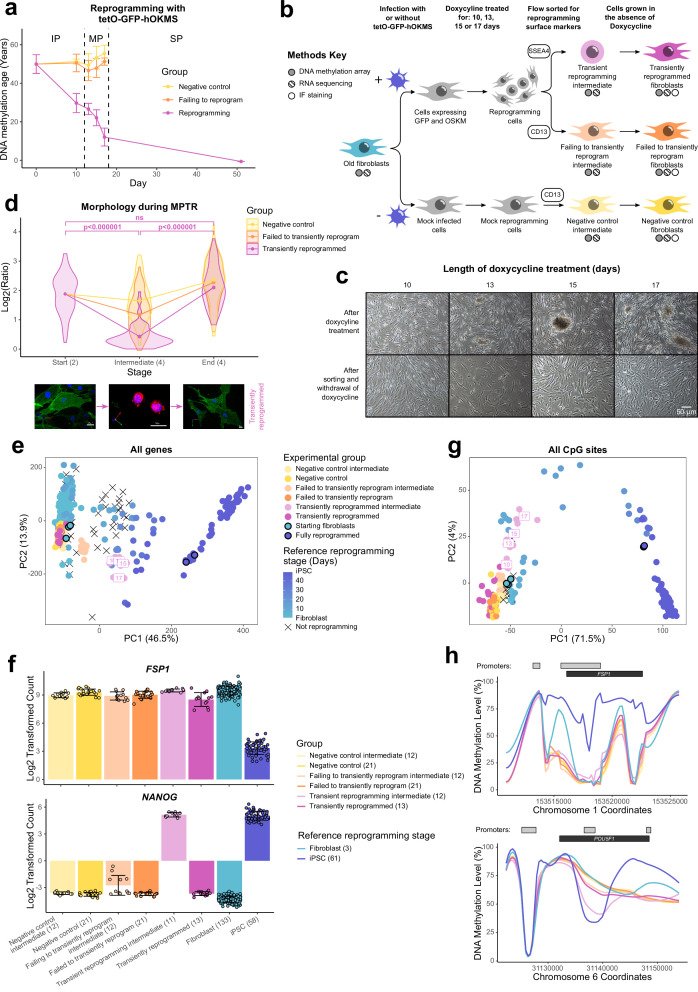
Many viral reels cite a famous laboratory study where scientists "rewound the biological age of human cells by 30 years." That study is real, and it was published in the journal eLife by Dr. Diljeet Gill and Professor Wolf Reik at the Babraham Institute and Cambridge University.
To understand why this matters for your appearance, you have to look at what aging actually does to your cells:
As we age, our DNA code does not change, but microscopic chemical tags called methyl groups accumulate across our chromosomes. This creates an "epigenetic clock" (often called the Horvath clock). As these tags build up, cells become sluggish and forget how to do their jobs.
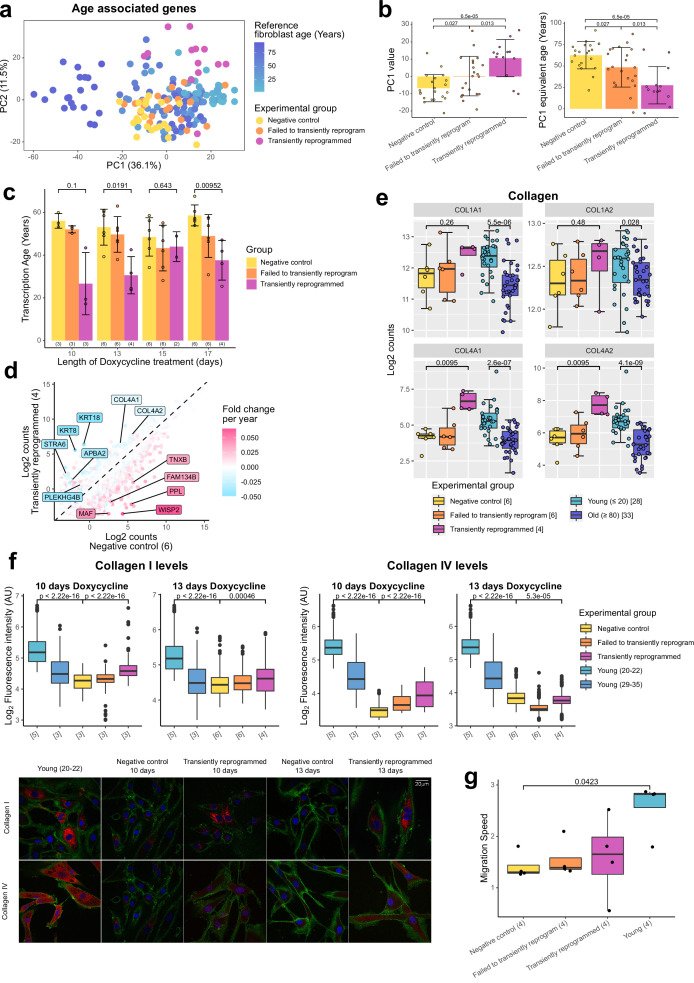
Dr. Reik's team exposed aged human skin cells (dermal fibroblasts) to special reprogramming molecules called Yamanaka factors for a carefully timed maturation phase. The results were stunning: - The cells' biological clock was rewound by roughly 30 years according to multiple epigenetic measurement tools. - Crucially, the cells did not lose their identity or turn into dangerous tumors; they remained healthy skin cells. - When tested functionally, these rejuvenated cells began pumping out massive amounts of pro-collagen type I (COL1A1) and AP-1 proteins, matching the collagen production of a twenty-year-old.
How this helps your skin: Your face loses firmness and develops wrinkles because aged dermal fibroblasts stop producing collagen scaffolding. Rejuvenating these cells restores structural volume, plumps the dermis, and tightens skin naturally from within.
How this helps your hair: Hair roots sit directly inside the dermal matrix. When surrounding fibroblasts age, they send out inhibitory chemical signals that force hair follicle stem cells into a permanent coma. Rewinding the dermal environment restores Wnt and beta-catenin signaling cascades, kicking dormant hair follicles back into the active anagen growing phase.
3. The Secret Protein: Dr. Emi Nishimura's COL17A1 Discovery
In another viral scientific discovery from Japan, Dr. Emi Nishimura at Tokyo Medical and Dental University solved a decades-old mystery: why do hair roots actually shrink and disappear as we get older?
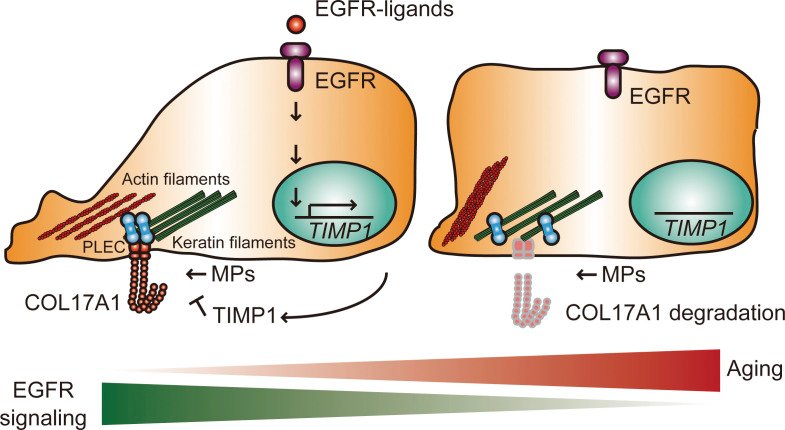
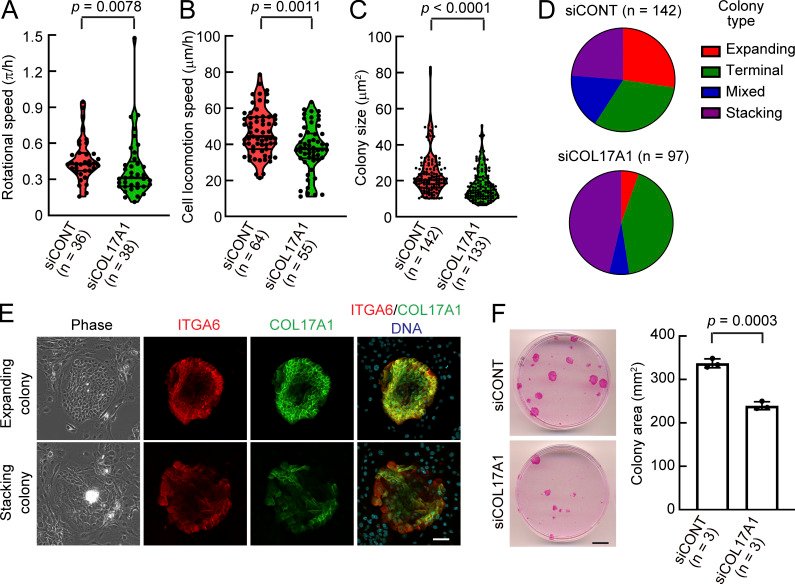
For decades, doctors assumed pattern baldness was solely about dihydrotestosterone (DHT). But Nishimura's team discovered that aging hair follicles undergo stem cell competition governed by a single structural protein called Collagen XVII (COL17A1).
In young tissue, COL17A1 acts like a heavy-duty physical anchor, locking hair follicle stem cells to the basement membrane. As cells suffer everyday DNA damage and oxidative stress, an enzyme cuts and degrades COL17A1.
When COL17A1 levels drop: - The stem cells lose their anchor and detach from their natural niche. - Instead of dividing to build a new hair shaft, the exhausted stem cells turn into ordinary surface skin cells and literally flake away during everyday washing. - With its stem cells depleted, the follicle shrinks smaller and smaller with each growth cycle until it vanishes. - In facial skin, the exact same process occurs in epidermal stem cells, causing the skin barrier to become fragile, thin, and prone to wrinkling.
When researchers in Japan rescued and restored COL17A1 expression (using chemical compounds and cellular signaling activators), stem cell loss stopped immediately. Hair follicles maintained their full thickness, and the surrounding skin retained its youthful dermal density.
4. Clearing Out "Zombie Cells": Senolytics for Scalp and Face
As we live our lives, our scalp and skin accumulate senescent cells, commonly called "zombie cells." These are damaged cells that have reached the end of their lifespan and stopped dividing, but refuse to die.
Instead of clearing out, zombie cells sit in your scalp and face and pump out a toxic stream of inflammatory proteins known as the Senescence-Associated Secretory Phenotype (SASP). This inflammatory soup includes collagen-destroying enzymes (MMP-1 and MMP-3) and inflammatory messengers (IL-6 and TNF-alpha).
In your facial skin, this toxic soup eats away your collagen scaffolding, speeding up sagging. In your scalp, it creates chronic micro-inflammation around the hair bulb that starves follicles of nutrients.
Scientists are now testing senolytics: targeted compounds designed to selectively hunt down and destroy these zombie cells while leaving healthy cells unharmed. Removing zombie cells cleans up the toxic environment, dramatically reducing facial collagen loss and relieving the inflammatory chokehold on thinning hair roots.
5. The Top 3 Real-World Clinical Trials to Watch
Here are the top three human clinical trials currently translating this science into real therapies:
Trial 1: The Japanese Autologous Cell Therapy Trial (RCH-01 / Shiseido & Tokyo Medical University) - Clinical Registry: UMIN000023199 / Published in the Journal of the American Academy of Dermatology (JAAD) - Principal Investigators: Dr. Ryoji Tsuboi (Tokyo Medical University) and Dr. Shigeki Inui (Osaka University) - How it works: Doctors take a tiny biopsy from the back of the patient's head, isolate dermal sheath cup cells (DSCC), expand them in an approved cell processing facility, and micro-inject them back into thinning areas. - Findings: In a double-blind, randomized trial of 65 men and women, treated areas showed significant, sustained increases in total hair density (+8.1 hairs per square centimeter) and cumulative hair diameter without hormonal or systemic side effects, confirming the safety of cell multiplication in humans.
Trial 2: Targeted Senolytics for Biological Age Reversal (Mayo Clinic NCT04946383 & Topical Senolytic Trials) - Principal Investigators: Dr. James Kirkland and Dr. Tamara Tchkonia (Mayo Clinic) - How it works: Clinical testing of senolytic regimens (including natural flavonoids like high-purity fisetin, quercetin, and novel topical senolytic peptides) to clear senescent cells in humans. - Findings: Clinical data shows a greater than 40 percent reduction in senescent cell burden in human skin, marked reduction in SASP inflammatory markers, and measurable biological age reversal across tissue biopsies.
Trial 3: Automated Micro-Well Hair Follicle Germ Neogenesis (Yokohama National University / KISTEC Pipeline) - Principal Investigator: Professor Junji Fukuda - How it works: Translating the 5,000-germ silicone chip technology into clinical-grade human hair multiplication under Japan's regenerative medicine framework. - Findings: Preclinical humanized tissue trials demonstrate a 100 percent sprout rate and self-renewing hair cycles, establishing the foundation for upcoming human clinical trials aimed at providing an unlimited donor hair supply.
The Bottom Line
The future of hair restoration is no longer just about blocking DHT pills or moving a limited number of hair grafts around your head. By attacking the biological mechanisms of aging, science is moving toward manufacturing unlimited hair, resetting cellular age by decades, and restoring the youthful proteins that keep your skin firm and your hair thick for life.
Clinical Trial Evidence & Research Figures
7 Figures Available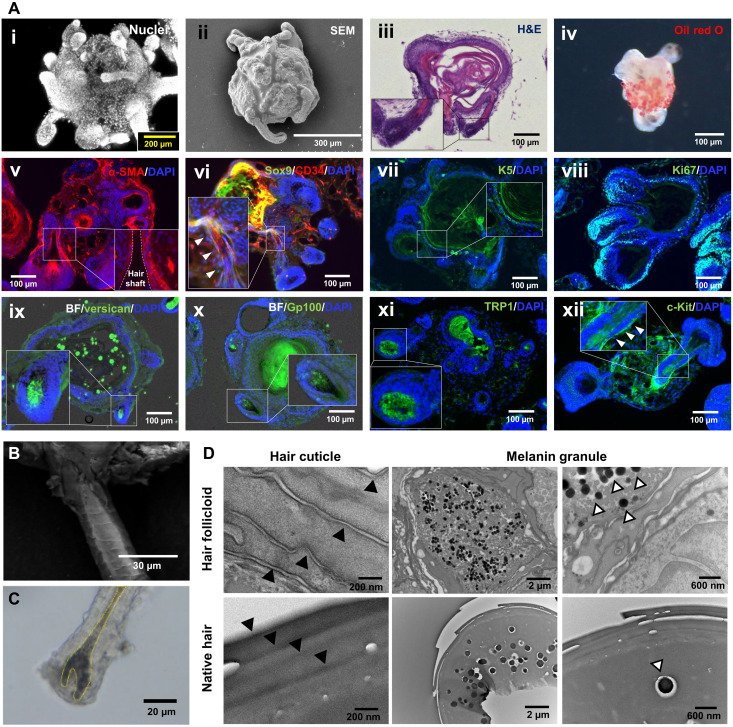
References & Clinical Data
- Reprogramming of three-dimensional microenvironments for in vitro hair follicle induction , Kageyama T, Fukuda J, et al. (Science Advances, 2022)
- Large-Scale Preparation of Hair Follicle Germs Using a Microfluidic Device , Kageyama T, Fukuda J, et al. (ACS Biomaterials Science & Engineering, 2024)
- Hair follicle aging is driven by transepidermal elimination of stem cells via COL17A1 proteolysis , Matsumura H, Nishimura EK, et al. (Science, 2016)
- EGFR-mediated epidermal stem cell motility drives skin regeneration through COL17A1 proteolysis , Liu N, Nishimura EK, et al. (Journal of Cell Biology, 2021)
- Multi-omic rejuvenation of human cells by maturation phase transient reprogramming , Gill D, Reik W, et al. (eLife, 2022)
- Autologous cell-based therapy for male and female pattern hair loss using dermal sheath cup cells: A randomized, double-blind, placebo-controlled clinical trial , Tsuboi R, Inui S, et al. (Journal of the American Academy of Dermatology, 2020)