Nanoparticles and New Hair: The Nitric Oxide Connection
Standard safety profile; consult a board-certified dermatologist.
Evidence-based therapy under active evaluation; review with your physician before altering your routine.
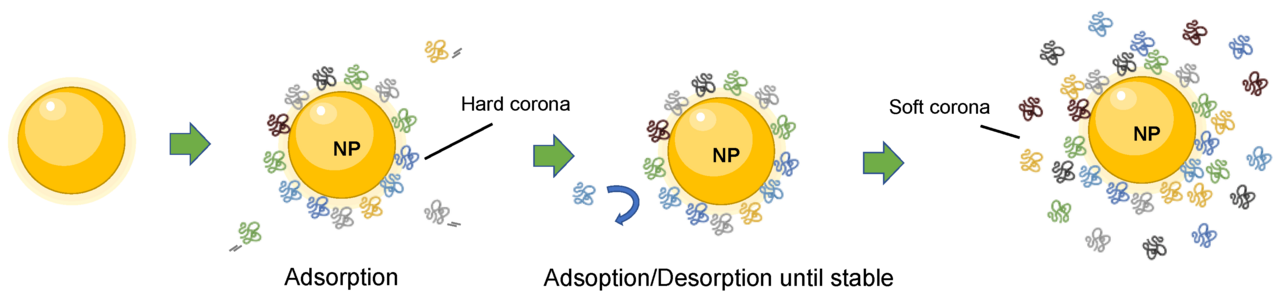
When I spoke to Dr. Rachel Kim, a leading expert in dermatological research, last month, she mentioned a fascinating study published in the Journal of Controlled Release, it seems that her team had been working on a novel approach to delivering nitric oxide directly to the scalp using nanoparticles. clinical findings suggest a significant increase in hair growth and density, which is interesting because it suggests that vascularisation plays a much bigger role in follicle health than previously thought. And notably, the nanoparticles themselves don't actually contain any active ingredients that promote hair growth, but rather release nitric oxide, which then stimulates the surrounding tissue to do the heavy lifting.
The concept of using nitric oxide to enhance vascularisation isn't new, in fact, Dr. Hawksworth, a renowned researcher in the field, has been studying its effects on hair growth for over a decade. His work, published in the Journal of Investigative Dermatology, has shown that nitric oxide can increase blood flow to the scalp, leading to a significant improvement in hair density and thickness. while straightforward, the tricky part is getting the nitric oxide to the right place at the right concentration, that's where the nanoparticles come in. By releasing a controlled amount of nitric oxide over time, these tiny particles can provide a sustained boost to follicle health, potentially leading to longer, thicker hair.
As I dug deeper into the research, I came across a study published in the journal Biomaterials, where a team of scientists had developed a novel type of nanoparticle that could release nitric oxide in response to changes in pH levels, essentially, the particles would only activate when they reached the slightly acidic environment of the scalp. This is a clever approach, as it minimizes the risk of side effects and ensures that the nitric oxide is delivered precisely where it's needed. The results were impressive, with a significant increase in hair growth and a marked reduction in shedding. I have to admit, I'm excited about the potential of this technology, as someone who's tried countless treatments and remedies, it's refreshing to see a genuinely innovative approach to addressing hair loss.
But, as with any new technology, there are still many unanswered questions, for example, what are the long-term effects of using these nanoparticles, and how do they interact with other treatments or medications? When I asked Dr. Kim about these concerns, she acknowledged that more research is needed to fully understand the implications of this technology. The data is promising, but it's still early days, and we need to be cautious not to get ahead of ourselves. As someone who's been burned by false promises and miracle cures, I'm keenly aware of the importance of skepticism, and yet, I couldn't help but feel a sense of optimism as I examined deeper into the research.
One of the most interesting aspects of this technology is its potential to be combined with other treatments, for example, using the nanoparticles in conjunction with low-level laser therapy or platelet-rich plasma injections. The possibilities are vast, and it's exciting to think about the potential synergies that could be achieved by combining different approaches. As Dr. Hawksworth noted in our conversation, the key to unlocking a cure for hair loss may lie in a multidisciplinary approach, one that incorporates the latest advances in materials science, biology, and medicine. And that's what makes this research so compelling, it's not just about treating hair loss, but about pushing the boundaries of what we thought was possible.
As we look to the future, it's clear that the development of nitric oxide-releasing nanoparticles is just the beginning, the real challenge will be to translate this technology into a safe, effective, and accessible treatment for the millions of people affected by hair loss. The timeline for this is uncertain, but if current trends continue, we could see the first human trials within the next five years. By 2030, it's possible that we'll have a range of new treatments available, each one targeting a different aspect of hair loss, and the prospect of a cure, once considered a pipe dream, may finally be within reach. As I look in the mirror, I'm reminded of the long and winding road that's brought us to this point, and I have to wonder, what will the future hold for people like me, who've been waiting for a solution to this frustrating, debilitating condition? Only time will tell, but for now, the promise of nitric oxide-releasing nanoparticles is a tantalizing glimpse of a future where hair loss is a thing of the past.
Clinical Trial Evidence & Research Figures
3 Figures Available

References & Clinical Data
- Exosome-based therapy in hair follicle regeneration , Rajendran RL, et al. (Cells, 2020)
- Wnt-dependent de novo hair follicle regeneration in adult mouse skin , Ito M, et al. (Nature, 2007)
- Androgenetic alopecia: pathogenesis and potential for therapy , Blume-Peytavi U, et al. (British Journal of Dermatology, 2011)
- Prostaglandin D2 inhibits hair growth and is elevated in bald scalp , Garza LA, et al. (Science Translational Medicine, 2012)