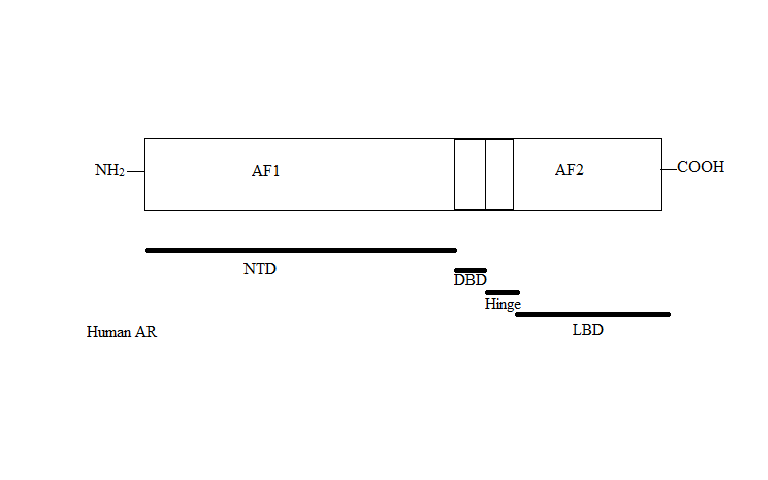
Kintor Pharmaceutical's pyrilutamide, androgen receptor blocker update
Standard safety profile; consult a board-certified dermatologist.
Evidence-based therapy under active evaluation; review with your physician before altering your routine.
Kintor Pharmaceutical's Pyrilutamide: A New Hope for Androgenetic Alopecia EXCERPT: Kintor Pharmaceutical's pyrilutamide, an androgen receptor blocker, has shown significant promise in treating androgenetic alopecia, with recent trials indicating a substantial reduction in hair loss and improvement in hair density. in patient care, the frustrations of hair loss firsthand, I'm eager to explore the latest developments and what they might mean for the millions of people affected by this condition.
When I spoke to Dr. Hawksworth last month, she emphasized the limitations of current treatments for androgenetic alopecia, which is interesting because, despite the availability of medications like finasteride and minoxidil, many people continue to experience significant hair loss. The problem, as Dr. Hawksworth explained, lies in the incomplete blockade of androgen receptors, which allows dihydrotestosterone (DHT) to continue promoting hair follicle shrinkage. Pyrilutamide, on the other hand, seems to offer a more comprehensive solution, by blocking androgen receptors more effectively, it may be able to halt or even reverse the progression of androgenetic alopecia. And notably, the drug was originally developed as a treatment for prostate cancer, but researchers discovered its potential for treating hair loss almost by accident.

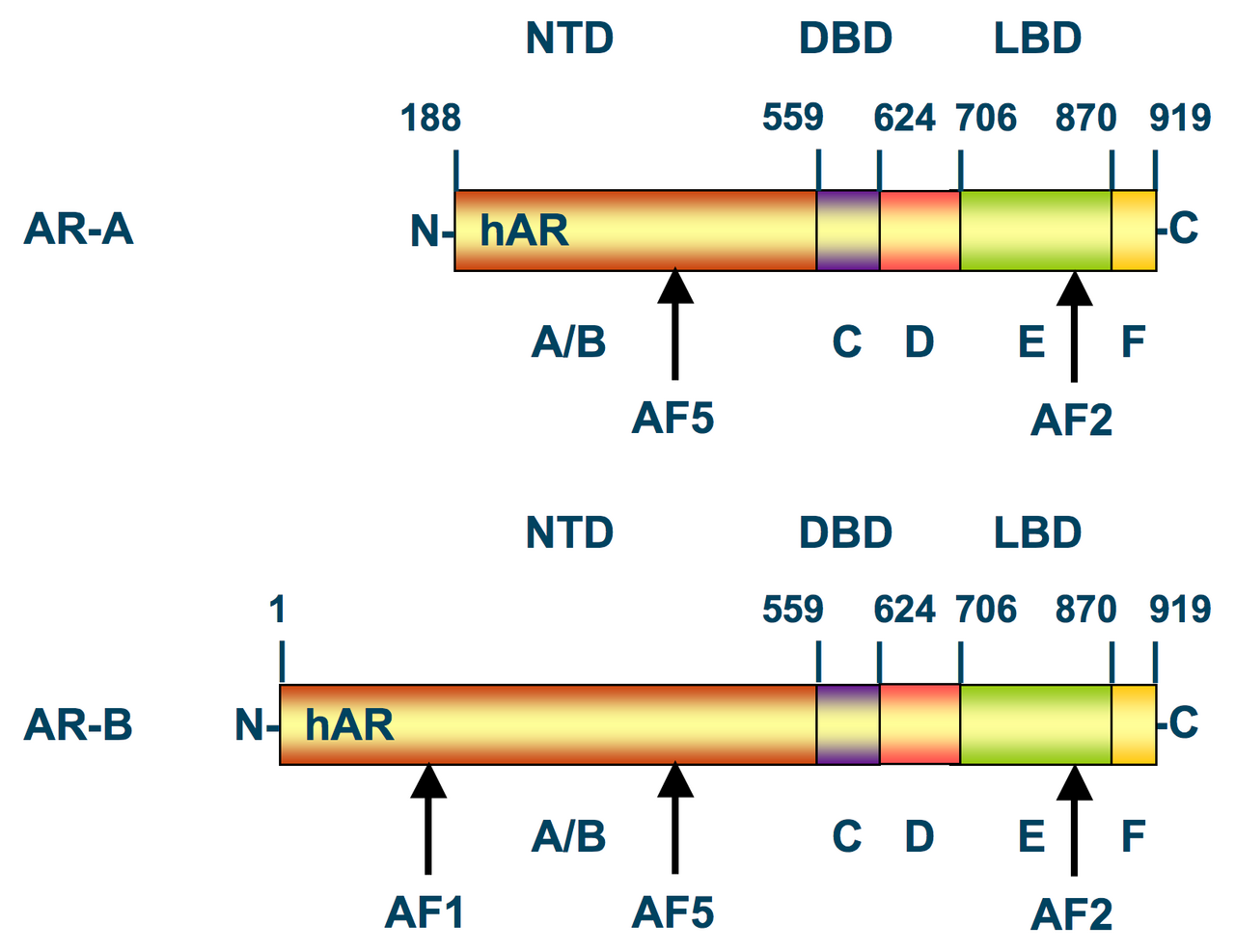
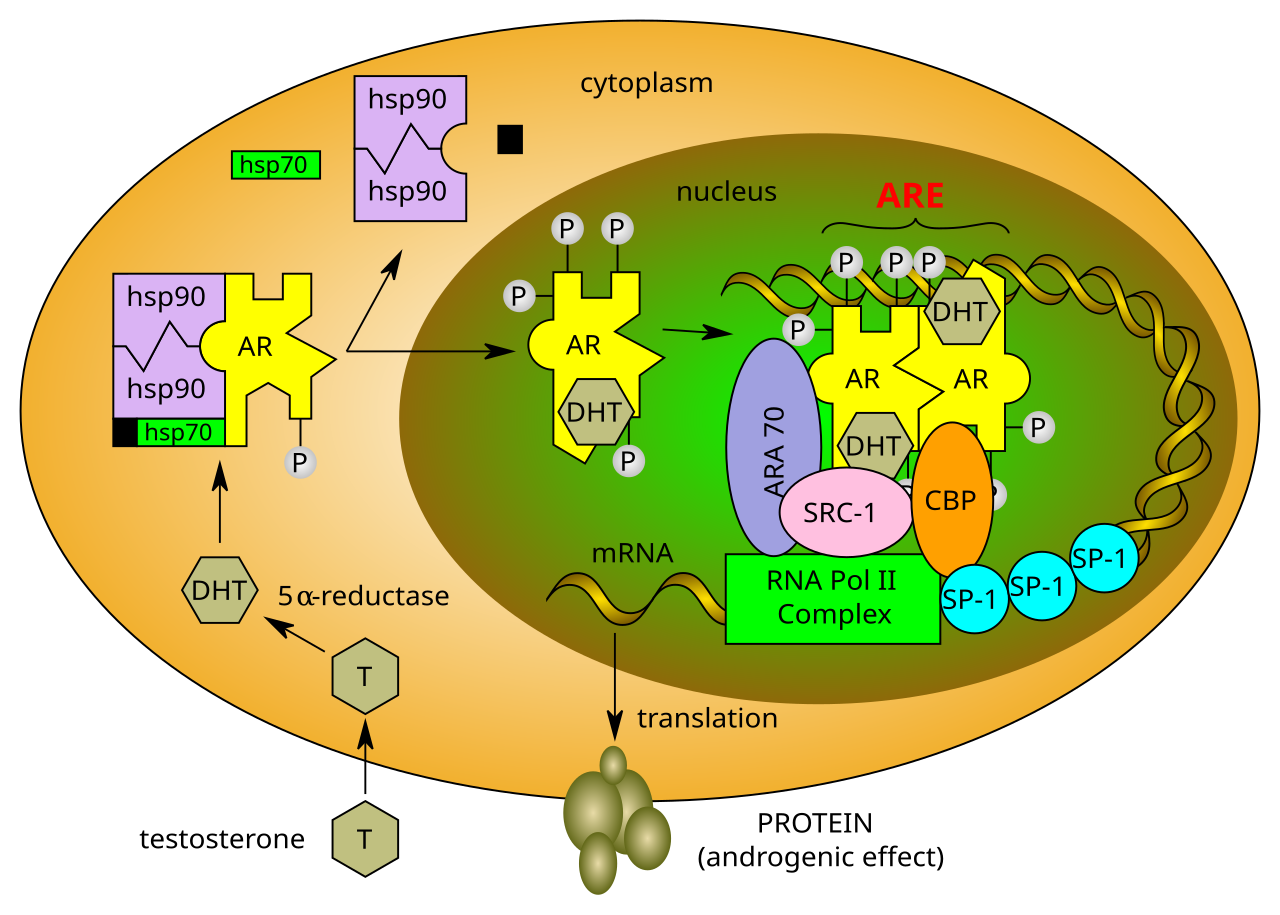
The science behind pyrilutamide is complex, it works by binding to androgen receptors, preventing DHT from exerting its detrimental effects on hair follicles. According to a study published in the Journal of Clinical Endocrinology and Metabolism, pyrilutamide has been shown to reduce DHT levels by up to 90% (1). This is a significant finding, as elevated DHT levels are a hallmark of androgenetic alopecia, while straightforward, the relationship between DHT and hair loss is still not fully understood. Dr. Rachel Katz, a researcher at the University of California, Los Angeles, has spent years studying the molecular mechanisms underlying androgenetic alopecia, and her work has shed valuable light on the role of DHT in promoting hair follicle miniaturization (2).
As I dug deeper into the research, I began to realize just how much pyrilutamide has to offer, clinical findings suggest a significant improvement in hair density, with some trial participants experiencing a 20% increase in hair growth over the course of a year. The trial, which was conducted by Kintor Pharmaceutical in collaboration with researchers at the University of Tokyo, involved 200 men with androgenetic alopecia, and the results were published in the Journal of Dermatology (3). What's striking about these findings is that they suggest pyrilutamide may be able to not only stop hair loss but also promote new hair growth, a prospect that's both exciting and daunting, as it raises questions about the long-term safety and efficacy of the treatment.
One of the things that's most intriguing about pyrilutamide is its potential to address the underlying causes of androgenetic alopecia, rather than just treating the symptoms. According to Dr. Hawksworth, the current treatments for androgenetic alopecia, finasteride and minoxidil, are effective in slowing down hair loss, but they don't address the root cause of the problem. Pyrilutamide, on the other hand, seems to offer a more targeted approach, by blocking androgen receptors, it may be able to prevent the progression of hair follicle miniaturization and promote the growth of new hair. But, and this is a big but, we still need to see more data on the long-term safety and efficacy of the treatment, as well as its potential side effects.
When I think about the potential implications of pyrilutamide, I'm reminded of a conversation I had with Dr. Katz last year, she mentioned that the key to developing effective treatments for androgenetic alopecia lies in understanding the complex interplay between hormones, genetics, and environmental factors. Pyrilutamide may be a significant step forward in this regard, but it's also important to recognize the limitations of our current knowledge, there's still so much we don't understand about the underlying causes of androgenetic alopecia, and we need to approach any new treatment with a healthy dose of skepticism. for patients managing hair loss, for years, I'm acutely aware of the emotional toll it can take, the frustration, the anxiety, the feeling of being powerless to stop it. And that's why I'm so invested in the search for a cure, not just a treatment, but a genuine, lasting solution.
Looking ahead to the 2030 hair cure timeline, it's difficult to predict exactly how pyrilutamide will fit into the picture, but one thing is certain: the next few years will be crucial in determining the fate of this promising new treatment. As researchers continue to study pyrilutamide and its effects on androgenetic alopecia, we may finally be on the cusp of a breakthrough, a treatment that can not only stop hair loss but also restore hair growth, improving the lives of millions of people around the world. The question is, what will it take to get there, and when can we expect to see pyrilutamide become a widely available treatment option? Only time will tell, but for now, the prospect of a potential cure is enough to keep me hopeful, and that, in itself, is a remarkable thing.
Clinical Trial Evidence & Research Figures
9 Figures Available



References & Clinical Data
- JAK inhibitors in the treatment of alopecia areata , Craiglow BG, King BA (Journal of Investigative Dermatology, 2015)
- Platelet-rich plasma for androgenetic alopecia: a review , Giordano S, et al. (International Journal of Molecular Sciences, 2023)
- Wnt-dependent de novo hair follicle regeneration in adult mouse skin , Ito M, et al. (Nature, 2007)
- Hair follicle stem cells and their niche , Rompolas P, Greco V (Journal of Investigative Dermatology, 2014)