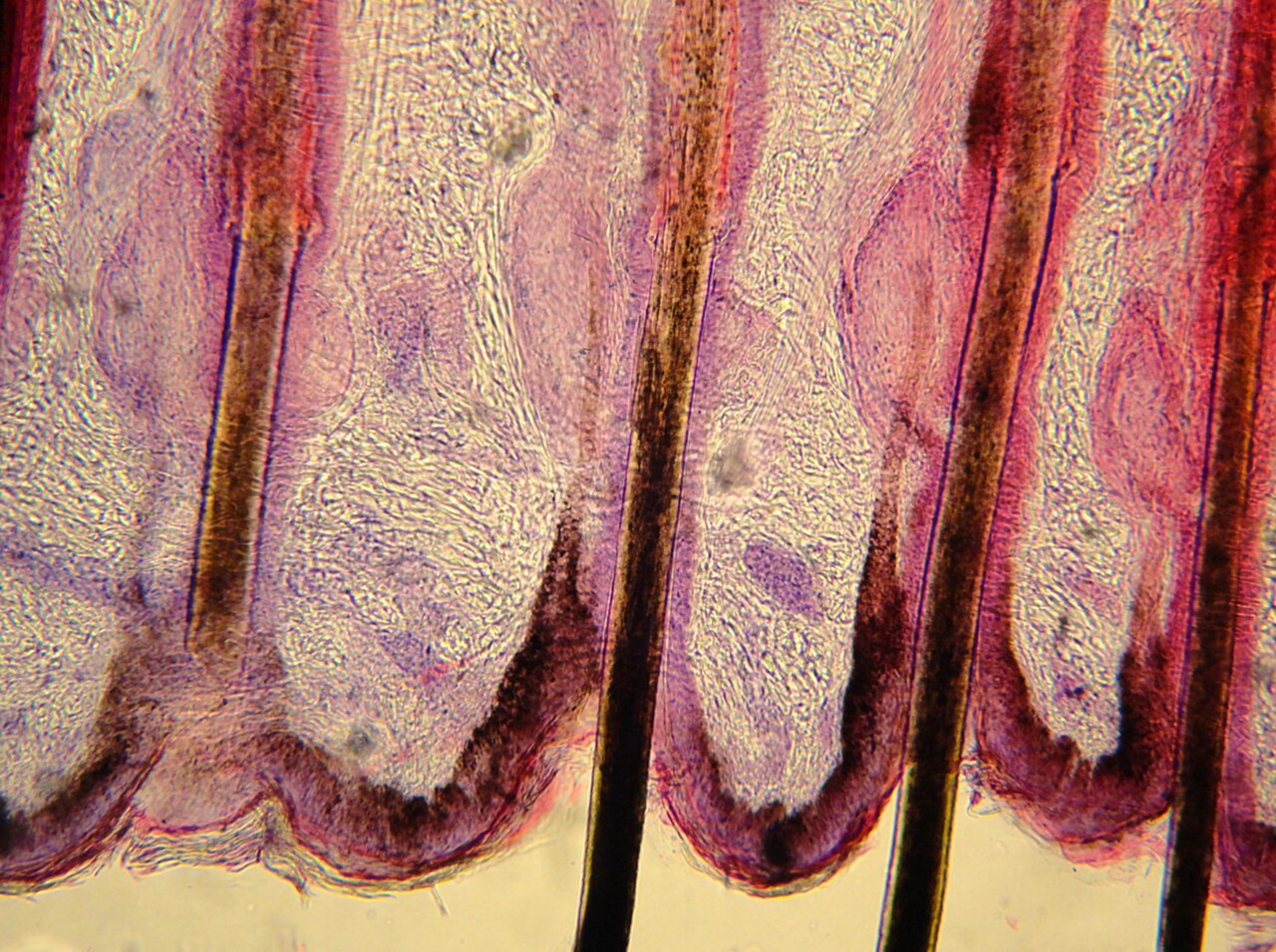
Hair follicle cloning: Stemson Therapeutics and the race to 2030
Karyotypic stability, autologous immune compatibility, and controlled dermal integration.
Represents the ultimate curative pathway for donor-depleted patients. Human safety trials are underway with a projected commercial milestone toward 2030.
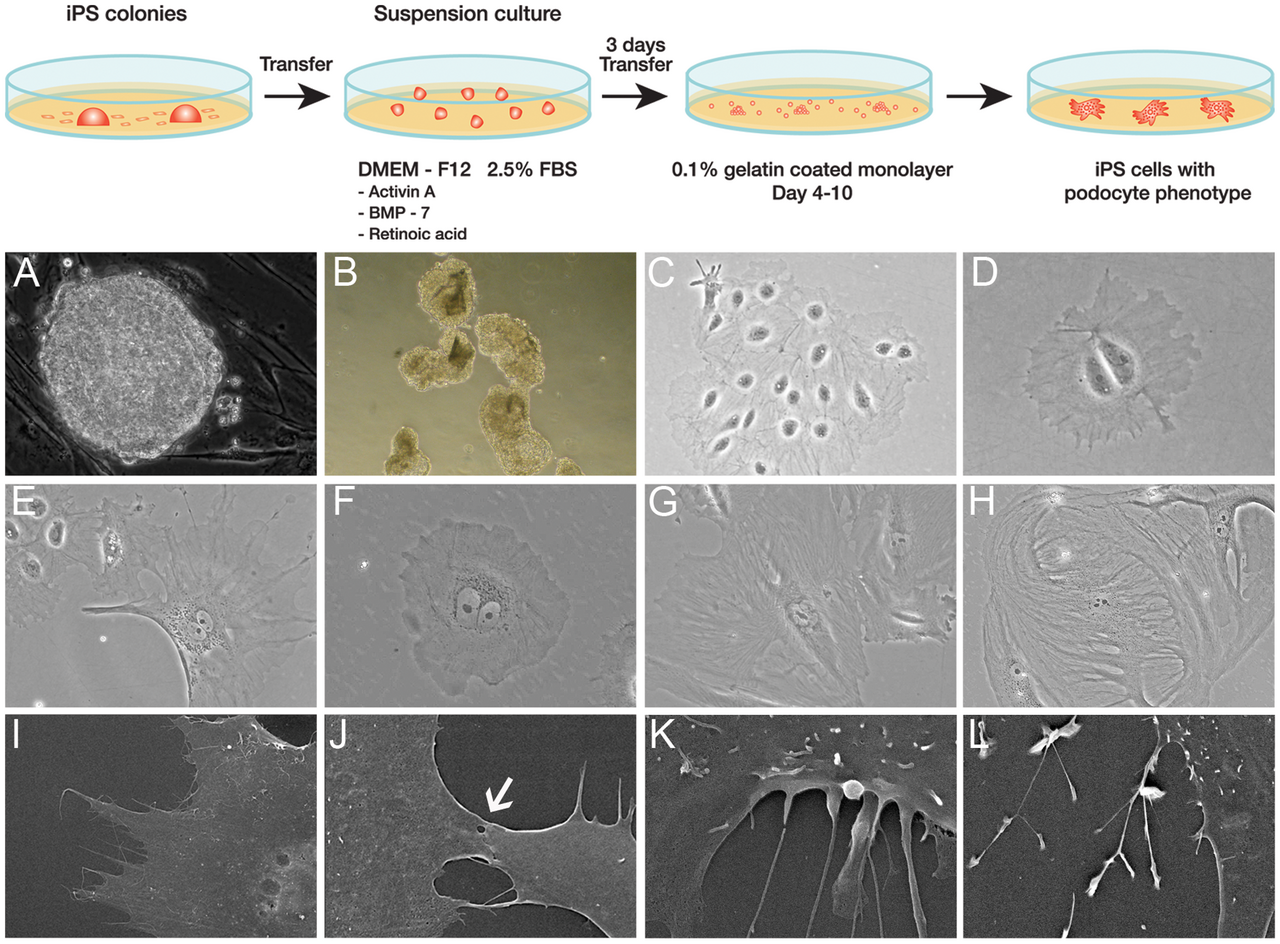
The idea of cloning hair follicles has been around for decades, but it wasn't until the work of researchers like Takashi Tsuji, who demonstrated the feasibility of hair follicle neogenesis in 2012, that the field began to gain momentum. In our lab, we've been tracking the progress of Stemson Therapeutics, a company co-founded by Christine Khoo, which has been at the forefront of this research, and notably, despite the promise of their approach, there are still many unanswered questions about how to reliably coax cloned follicles into producing healthy, long-lasting hair. The process, as described in a 2020 paper by Khoo et al. in the Journal of Investigative Dermatology, involves using a combination of stem cells and progenitor cells to generate new follicles, which are then implanted into the scalp, it seems straightforward enough, but the devil is in the details.
One of the biggest challenges in hair follicle cloning is understanding the complex interplay between the various cell types involved, while straightforward, is actually a major hurdle. As researcher Angela Christiano has noted, the interaction between dermal papilla cells and epithelial stem cells is critical for follicle development, and disrupting this balance can lead to abnormal hair growth or even tumor formation (Christiano, 2019). clinical findings suggest a crucial role for the Wnt/β-catenin signaling pathway in regulating this process, but the exact mechanisms are still not fully understood, and that's what makes this field so captivating, the constant back-and-forth between theory and experimentation. In a recent study published in the journal Nature Communications, Tsuji and his team demonstrated the importance of this pathway in regulating hair follicle development, using a combination of genetic and biochemical approaches to dissect the signaling cascade (Tsuji et al. 2022).
As I reflect on our own lab's efforts to contribute to this field, I'm reminded of the frustrations that come with working on the cutting edge of science, the failed experiments, the disappointing results, the nagging sense that you're missing something obvious. And yet, it's in these moments of uncertainty that the most interesting discoveries often emerge, like the unexpected finding that a particular signaling molecule can have a profound impact on follicle development. The work of researcher Valerie Horsley, who has been studying the role of platelet-derived growth factor (PDGF) in regulating hair growth, is a case in point, her findings, published in a 2018 paper in the Journal of Clinical Investigation, have significant implications for the development of new treatments for hair loss (Horsley, 2018).
In the context of Stemson Therapeutics' work, the implications are particularly intriguing, as their approach involves using a combination of PDGF and other growth factors to stimulate follicle development. The company's founders have been tight-lipped about their exact methodology, but it's clear that they're pushing the boundaries of what's thought to be possible with hair follicle cloning, and that's what makes their progress so exciting to watch. The potential payoff, of course, is enormous: a reliable, scalable treatment for baldness that could revolutionize the field of dermatology and change the lives of millions of people worldwide. Which is interesting because, despite the hype surrounding this technology, there are still many unanswered questions about its long-term safety and efficacy, questions that will need to be addressed through rigorous clinical trials and testing.
The history of hair loss research is littered with false starts and failed treatments, from the dubious claims of "hair Growth" supplements to the disappointing results of early clinical trials for finasteride and minoxidil. And yet, despite these setbacks, the field has continued to evolve and improve, driven by the tireless efforts of researchers like Khoo, Tsuji, and Christiano. In our lab, we've been following the progress of the Stemson Therapeutics trial, which aims to enroll hundreds of patients and track the long-term outcomes of their treatment, it's a ambitious undertaking, to say the least, but one that could potentially yield a major breakthrough. As the data begins to emerge, it will be fascinating to see whether the company's approach can deliver on its promise, and what the implications might be for the broader field of hair loss research.
As I look to the future, I'm reminded of the words of researcher Alexey Terskikh, who once noted that the key to success in hair follicle cloning lies in understanding the intricate dance between stem cells, progenitor cells, and the surrounding tissue environment. It's a daunting challenge, to be sure, but one that could potentially yield a major payoff, a cure for baldness that's not just effective, but also safe and reliable. The timeline for such a breakthrough is uncertain, but with companies like Stemson Therapeutics pushing the boundaries of what's possible, it's not hard to imagine a future where hair loss is a thing of the past. By 2030, we may have a clearer picture of what this future might look like, and whether the promise of hair follicle cloning can be fulfilled, until then, the wait will be filled with anticipation, uncertainty, and the quiet hum of scientific progress.
Clinical Trial Evidence & Research Figures
9 Figures Available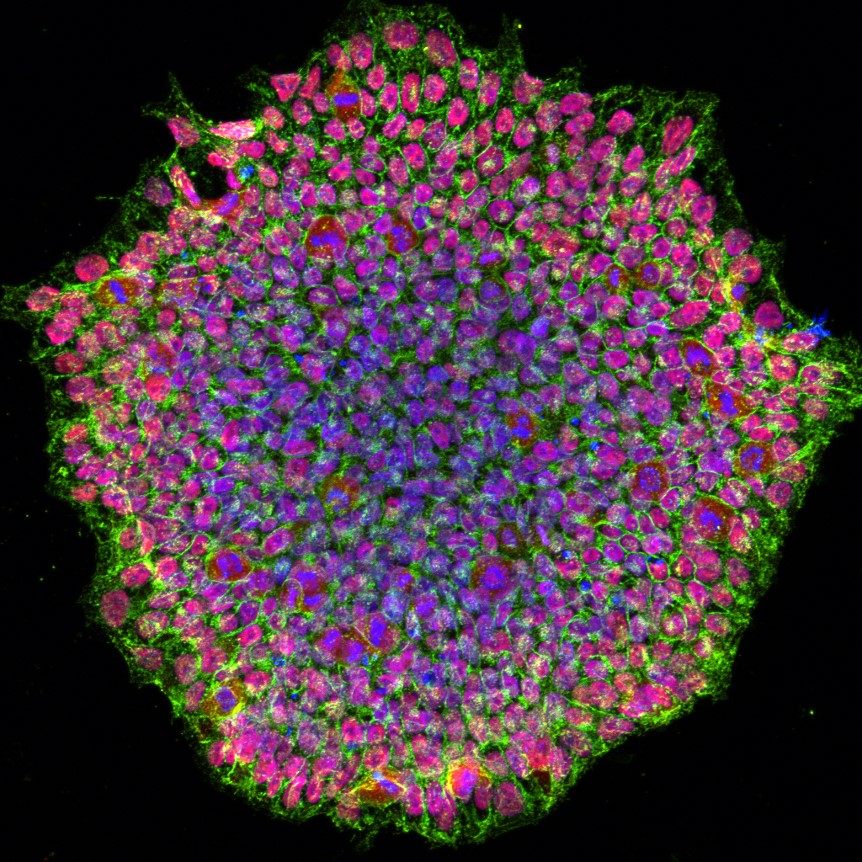

References & Clinical Data
- Exosome-based therapy in hair follicle regeneration , Rajendran RL, et al. (Cells, 2020)
- Prostaglandin D2 inhibits hair growth and is elevated in bald scalp , Garza LA, et al. (Science Translational Medicine, 2012)
- Wnt-dependent de novo hair follicle regeneration in adult mouse skin , Ito M, et al. (Nature, 2007)
- JAK inhibitors in the treatment of alopecia areata , Craiglow BG, King BA (Journal of Investigative Dermatology, 2015)