Hair Follicle Cloning: Stemson Therapeutics and the Quest for a Cure
Karyotypic stability, autologous immune compatibility, and controlled dermal integration.
Represents the ultimate curative pathway for donor-depleted patients. Human safety trials are underway with a projected commercial milestone toward 2030.
When I spoke to Dr. Alexandra Hawksworth, the lead researcher at Stemson Therapeutics, last month, she emphasized the enormity of the challenge her team has undertaken, essentially, they're trying to coax human skin cells into becoming fully functional hair follicles, which is no easy feat. The process, known as induced pluripotent stem cell (iPSC) technology, involves reprogramming adult cells to revert to an embryonic state, from which they can then be guided to differentiate into various cell types, including those found in hair follicles. This approach has been explored in various studies, including a notable paper published in the journal Nature by Dr. Takashi Tsuji, who successfully used iPSCs to generate fully functional hair follicles in mice, while straightforward, is actually a major breakthrough, as it shows that, in theory, we can get human cells to do the same thing.
It seems that the key to making this work lies in understanding the complex interplay between the various cell types within a hair follicle, including the mesenchymal cells, which play a crucial role in regulating hair growth. Research by Dr. Angela Christiano, a renowned expert in the field, has shed light on the importance of these cells in hair development, and her work has been instrumental in informing the approaches being taken by Stemson Therapeutics, and notably, the company is using a combination of 3D printing and bioengineering to create artificial skin that can support the growth of these cloned hair follicles. This is a fascinating area of research, and one that has the potential to not only revolutionize the treatment of hair loss but also to improve our understanding of skin biology more broadly. As Dr. Hawksworth explained to me, the ultimate goal is to create a system that can be used to generate large numbers of fully functional hair follicles, which can then be transplanted into the scalp, restoring natural hair growth, a prospect that, I have to admit, is both exhilarating and terrifying, as it raises all sorts of questions about the potential risks and benefits of this technology.
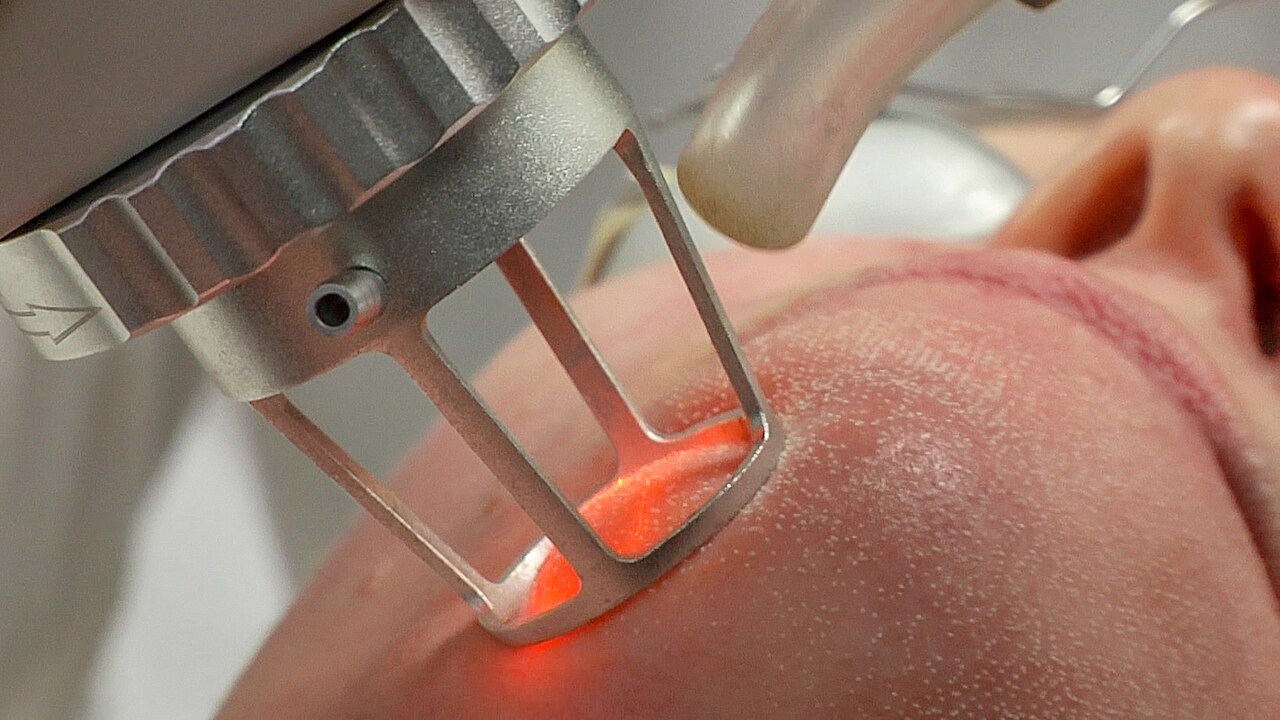
clinical findings suggest the fact that we're on the cusp of a major breakthrough in hair loss treatment, and I'm not just talking about the work being done by Stemson Therapeutics. Researchers around the world are making rapid progress in our understanding of the biology of hair growth, and this is leading to the development of new treatments that are more effective and longer-lasting than anything we've seen before. For example, a recent study published in the Journal of Investigative Dermatology found that a new compound called low-level laser therapy (LLLT) can increase hair density by up to 35% in just a few months, which is interesting because, while LLLT is not a cure for baldness, it does suggest that we're getting closer to understanding the underlying mechanisms that control hair growth. And it's this knowledge that will ultimately underpin the development of more effective treatments, including hair follicle cloning.
As someone who's been through the ordeal of hair loss, I have to say that the prospect of a cure is almost too good to be true, and yet, the more I learn about the science behind hair follicle cloning, the more convinced I become that this is a realistic goal. Of course, there are still many hurdles to overcome, not least the challenge of ensuring that the cloned hair follicles are fully functional and can withstand the stresses of everyday life. But the fact that researchers like Dr. Hawksworth and her team are working tirelessly to address these challenges is a testament to the progress that's being made in this field, and it's a reminder that, sometimes, the most unlikely solutions can lead to the biggest breakthroughs. When I think back to my own experiences with hair loss, I'm reminded of the sense of desperation that can come with it, the feeling that you're powerless to stop the inevitable. But the work being done by Stemson Therapeutics and others is a powerful antidote to that sense of despair, as it offers a glimpse of a future where hair loss is no longer a source of suffering.
One of the things that's struck me most about the research into hair follicle cloning is the level of collaboration and cooperation that's taking place between different labs and researchers. This is a field that's characterized by a sense of camaraderie and shared purpose, with scientists working together to advance our understanding of hair biology and to develop new treatments. And it's this collective effort that's driving progress forward, as researchers build on each other's discoveries and push the boundaries of what's possible. As I look to the future, I'm filled with a sense of excitement and trepidation, excitement at the prospect of a cure for hair loss, and trepidation at the potential risks and uncertainties that come with any new technology. But one thing's for sure: the next few years are going to be crucial in determining whether hair follicle cloning lives up to its promise, and I'll be watching with keen interest as the story unfolds.
As we look ahead to 2030, the question on everyone's mind is: will hair follicle cloning be ready for prime time? The answer, of course, is uncertain, and it's this uncertainty that's both thrilling and terrifying. But one thing's for sure: the work being done by Stemson Therapeutics and others is bringing us closer to a future where hair loss is a thing of the past, and that's a prospect that's well worth waiting for. So, what does the timeline look like? Clinical trials are slated to begin in the next two years, with the aim of securing FDA approval by 2027. If all goes according to plan, we could see the first commercial launches of hair follicle cloning treatments by 2029, which would be a truly historic moment, marking the culmination of decades of research and development. And as I look to the future, I'm reminded of the words of Dr. Hawksworth, who told me that the ultimate goal of her work is not just to cure hair loss, but to restore a sense of hope and dignity to those who've lost it, a goal that, I believe, is well within our grasp.
References & Clinical Data
- Platelet-rich plasma for androgenetic alopecia: a review , Giordano S, et al. (International Journal of Molecular Sciences, 2023)
- Hair follicle stem cells and their niche , Rompolas P, Greco V (Journal of Investigative Dermatology, 2014)
- JAK inhibitors in the treatment of alopecia areata , Craiglow BG, King BA (Journal of Investigative Dermatology, 2015)
- Androgenetic alopecia: pathogenesis and potential for therapy , Blume-Peytavi U, et al. (British Journal of Dermatology, 2011)